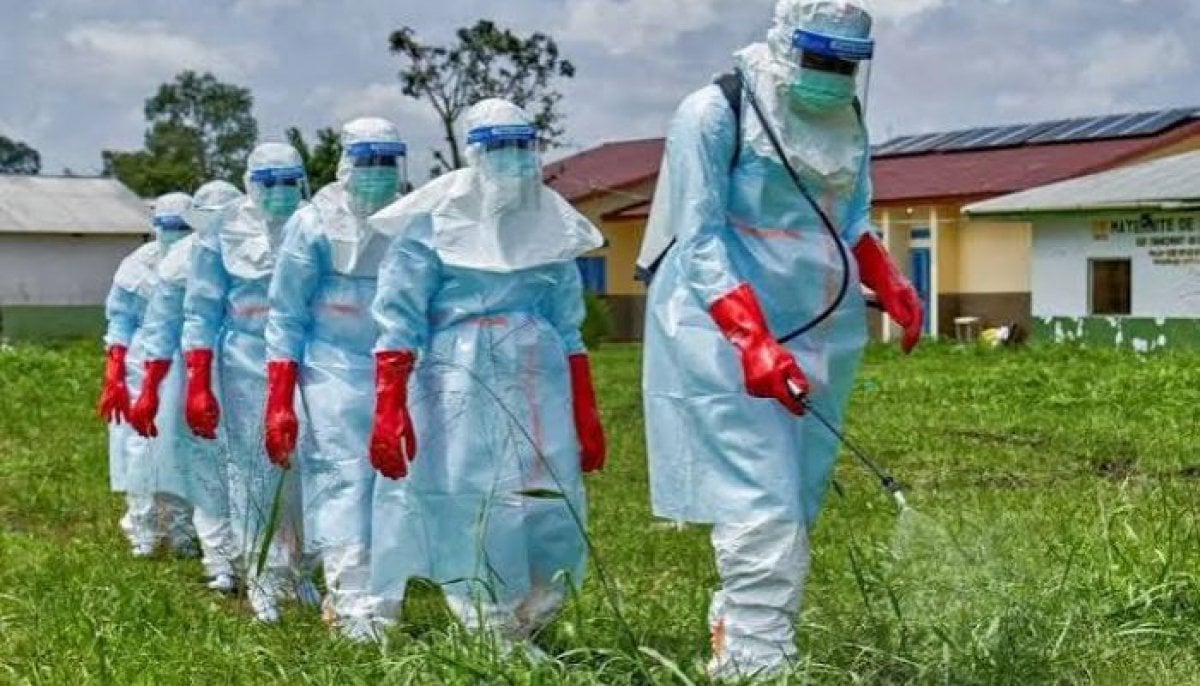
WHO opposes US travel ban on Ebola-affected countries
As of mid-May 2026, Ebola outbreak has resulted in over 500 suspected cases and more than 130 deaths
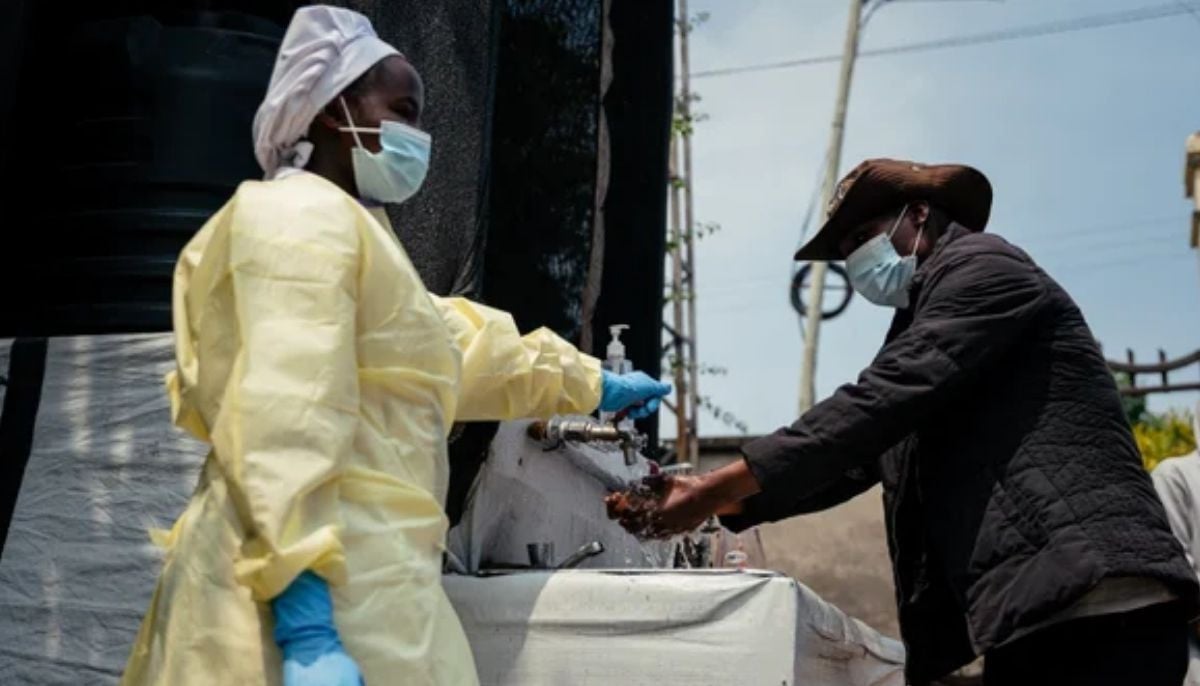
The World Health Organization (WHO) officials have recently shared their views on the US travel ban on Ebola affected countries including Democratic Republic of the Congo (DRC), Uganda, or South Sudan.
Earlier this week on May 16, the global health agency declared the current Ebola outbreak, specifically the Bundibugyo virus, a public health emergency of international concern.
In response to the outbreak, the Trump administration invoked Title 42 to restrict the entry for non-US passport holders who have been in the DRC, South Sudan and Uganda in the previous 21 days. The ban is going to be in effect for at least 30 days.
But according to the WHO officials, this ban is not recommended as Ebola is not an airborne virus.
The virus spread only through direct contact with blood or body fluids, so travel restrictions are "not supported under the IHR recommendations."
In a press conference, Dr Abdirahman Mahamud who is Director at the Alert and Response Coordination Department of the WHO's Emergency Health Programme said, “In recent situations what works is contract tracing, monitoring those who contact, isolation and immediate referrals.”
“Our top priority is to work closely with DRC in ensuring all the contacts are traced and all the patients suspected are put in the clinical pathway in a safe environment and with the best care provided.”
“Ebola is not a casual contact. It is not airborne. I think we need to be aware of that and this relates to travel restrictions that are not supported under the IHR recommendations,” Mahamud added.
While the WHO has advised countries to maintain border screening, it has explicitly recommended against broad travel and trade restrictions, noting that such measures are often ineffective and can disrupt humanitarian aid, damage local economies, and discourage international cooperation.
H.E. Dr Jean Kaseya, Africa CDC Director General has strongly criticized the ban, stating, “The fastest path to protecting all countries in the world is to aggressively support outbreak control at the source.”
“Global health security cannot be achieved through borders alone. It is achieved through partnership, trust, science and rapid investment in preparedness and response capacity.”
As of mid-May 2026, the outbreak has resulted in over 500 suspected cases and more than 130 deaths.
The situation is further complicated because the Bundibugyo strain currently lacks widely available vaccines or specific cures.






-
 Third measles-associated death reported as Pennsylvania outbreak reaches 676 cases
 -
 Cyclosporiasis outbreak: US officially ends largest outbreak linked to contaminated lettuce
 -
 Hot beverages increase risk of cancer? New research provides in-dept details
 -
 Highest-level recall issued for potato chips over banned ingredient posing death risk
 -
 Very hot tea and coffee could triple cancer risk, Oxford study warns
 -
 Global study reveals nearly 1.7 million deaths linked to second-hand smoke exposure in 2023
 -
 AI-designed drug also slowed biological aging, study finds
 -
 Always tired and foggy? This vitamin deficiency could be the clue
-
 Is loneliness becoming the next global health crisis?
 -
Ebola outbreak: Congo faces deadliest crisis with over 3,000 deaths
-
New report reveals, children as young as six going to A&E in mental health crisis
-
'Self-exercising' muscle implants developed by researchers offer workout benefits without movement