Vitamin B2 may help cancer cells survive, scientists reveals dark side
New research suggests vitamin B2 may help cancer cells stay alive
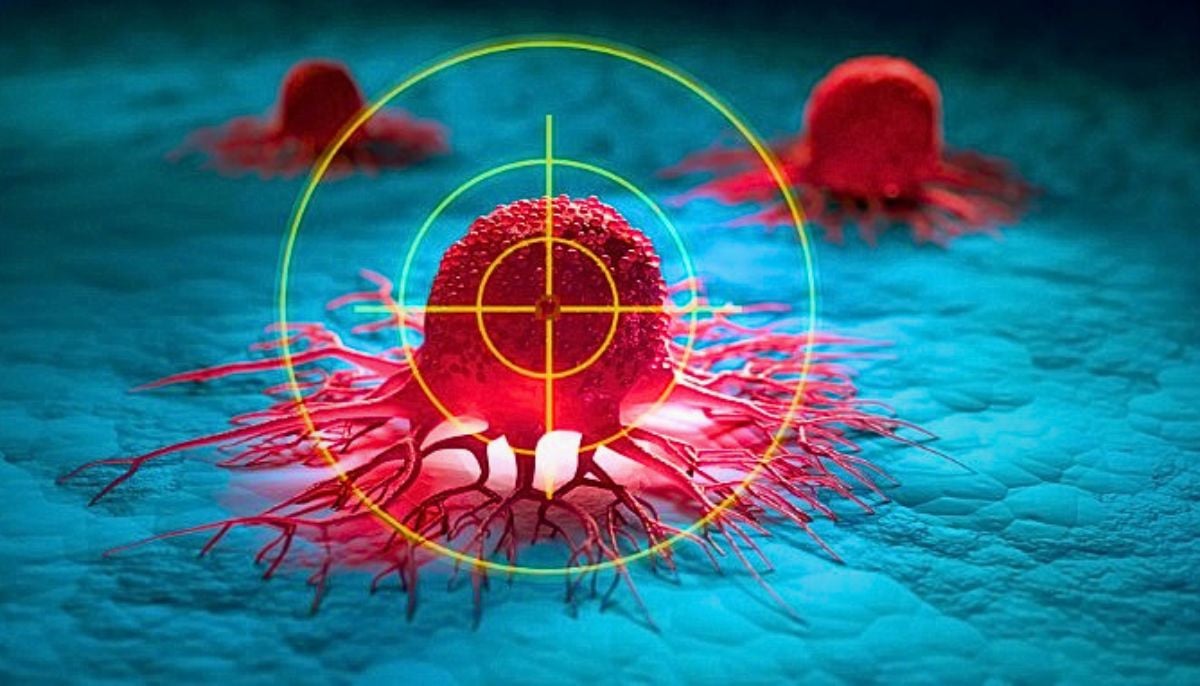
New research suggests vitamin B2 may help cancer cells stay alive. Vitamin B2 works together to change carbohydrates from foods into fuel for your body. It also helps release energy from proteins.
Riboflavin, or Vitamin B2, is an essential water-soluble nutrient used to metabolize fats and proteins.
Essential for human health, it is used to maintain healthy skin, blood cells and mucous membranes.
New findings show that vitamin B2 metabolism can also shield cancer cells from destruction.
The researchers reveal vitamin support a cellular shield that protects tumors from ferroptosis, a form of programmed cell death linked to cancer suppression.
"Vitamin B2 plays a crucial role in protecting cancer cells from ferroptosis, a special form of programmed cell death," says researcher.
How it works:
Scientists suggest vitamin B2 cannot be produced by the body and must come from food sources such as dairy products, eggs, meat, and green vegetables.
Once absorbed, the vitamin is converted into molecules that help protect cells from oxidative damage and support other important biological functions.
While conducting lab tests, researchers used a vitamin B₂-like compound called roseoflavin to break down that protection and trigger cancer cell death.
Programmed cell death is one of the body's natural defense systems. It allows damaged or dangerous cells to die in a controlled way without triggering inflammation in nearby tissue.
Ferroptosis is one type of this process and has been linked to cancer, neurodegenerative diseases, and other serious conditions.
This process occurs when iron-driven damage to cell membranes overwhelms a cell's antioxidant defenses.
The new study found that vitamin B2 metabolism plays an important role in these protective defenses.
The research team was led by José Pedro Friedmann Angeli, Professor of Translational Cell Biology, and the study was published in Nature Cell Biology.
Additionally, the research was supported by the German Research Foundation DFG.


-
 Elon Musk's X Corp and SpaceXAI settle federal antitrust lawsuit against Apple over market monopolies
 -
 Danish PM Mette Frederiksen expresses optimism for peaceful arctic resolution amid US pressure over Greenland
 -
 Boris Johnson narrowly escapes drone strikes near polish border as moscow escalates NATO-border attacks
 -
 Donald Trump's Air Force One playlist check sparks impromptu press gaggle
-
 Third measles-associated death reported as Pennsylvania outbreak reaches 676 cases
 -
 Cyclosporiasis outbreak: US officially ends largest outbreak linked to contaminated lettuce
 -
 Hot beverages increase risk of cancer? New research provides in-dept details
 -
 Highest-level recall issued for potato chips over banned ingredient posing death risk
 -
 Very hot tea and coffee could triple cancer risk, Oxford study warns
 -
 Global study reveals nearly 1.7 million deaths linked to second-hand smoke exposure in 2023
 -
 AI-designed drug also slowed biological aging, study finds
 -
 Always tired and foggy? This vitamin deficiency could be the clue
-
 Is loneliness becoming the next global health crisis?
 -
Ebola outbreak: Congo faces deadliest crisis with over 3,000 deaths
-
New report reveals, children as young as six going to A&E in mental health crisis
-
'Self-exercising' muscle implants developed by researchers offer workout benefits without movement