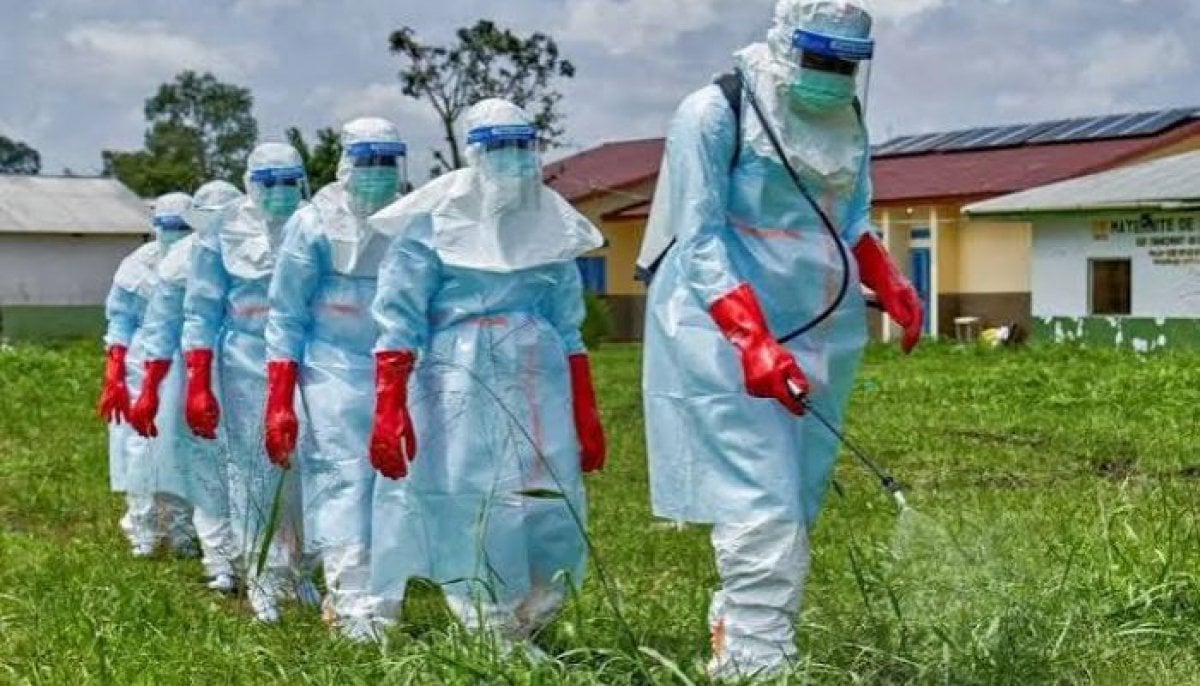
Ebola returns to DR Congo, Africa CDC confirms
In Ituri province, a remote region in the country's northeast, 246 suspected cases and 65 deaths have already been recorded of Ebola
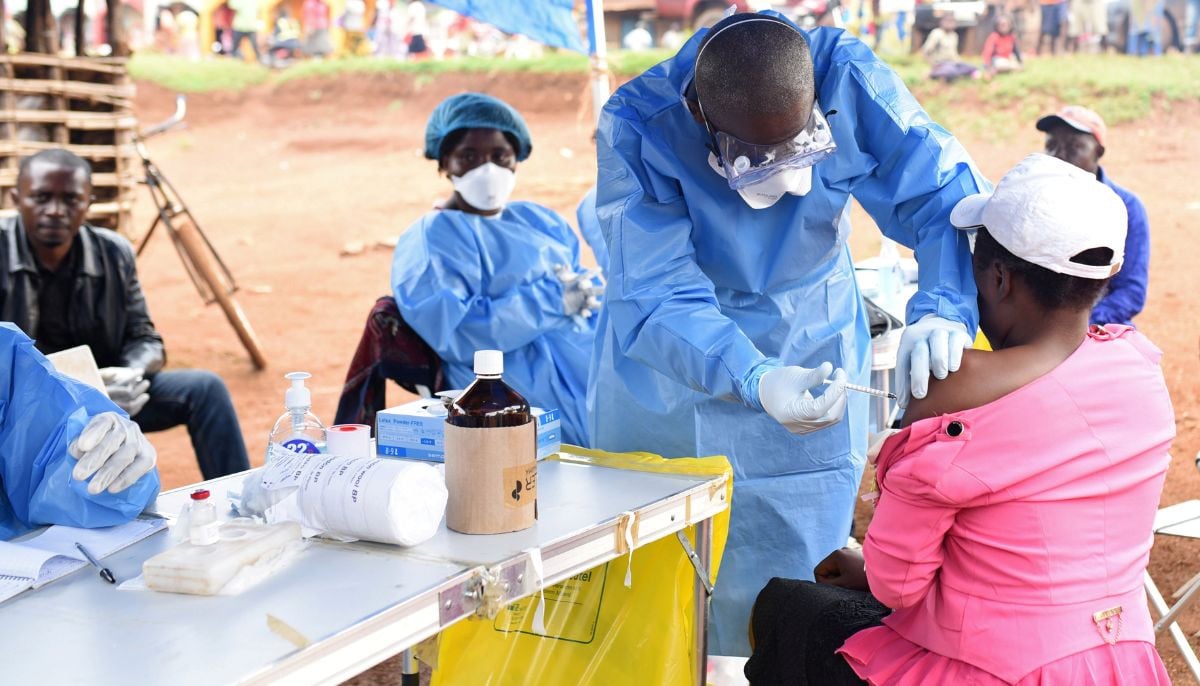
The Africa Centres for Disease Control and Prevention confirmed Friday what health officials feared most: Ebola has returned to the Democratic Republic of the Congo.
In Ituri province, a remote region in the country's northeast, 246 suspected cases and 65 deaths have already been recorded. Laboratory tests detected the Ebola virus in 13 of 20 samples analysed, confirming this is not a false alarm.
This outbreak popped up around five months after the DRC’s most recent Ebola episode was officially called over, and that earlier crisis killed 43 people.
Ituri is situated more than 1,000 kilometres away from Kinshasa, the capital, in a remote eastern stretch where road networks are poor, and that kind of remoteness once acted like a wall, slowing down the quick movement of illness.
The Africa CDC mentioned three converging things that make containment almost futile: intense population movement across borders, a security situation that’s clearly worsening, and only partial oversight of the areas hit.
Armed groups have been locked in a decades-long struggle to control this mineral-rich region. Just last week, a rebel attack left at least 69 people dead.
The DRC government has been having trouble keeping real control ever since the M23 rebel group launched that fast January 2025 assault, with Rwanda backing them. In this kind of situation, public health officials simply can’t really do the basic work like ongoing surveillance, isolating patients, or tracking who had contact with whom, for real.
Ituri sits next to Uganda and South Sudan, both of which also have their own fragile health systems. The Africa CDC has already pulled together an urgent high-level meeting with health authorities from all three countries, plus UN agencies too, to plan for a cross-border spread that they might not be able to stop.
Ebola, which was first spotted in 1976 and is widely thought to have leapt from bats into humans, is one of the most lethal viruses people know about. It moves via direct contact with body fluids, and it can trigger intense bleeding, organ collapse and death. The DRC has faced more than a dozen outbreaks, but the 2018 to 2020 crisis was the worst so far, with almost 2,300 deaths.






-
 Third measles-associated death reported as Pennsylvania outbreak reaches 676 cases
 -
 Cyclosporiasis outbreak: US officially ends largest outbreak linked to contaminated lettuce
 -
 Hot beverages increase risk of cancer? New research provides in-dept details
 -
 Highest-level recall issued for potato chips over banned ingredient posing death risk
 -
 Very hot tea and coffee could triple cancer risk, Oxford study warns
 -
 Global study reveals nearly 1.7 million deaths linked to second-hand smoke exposure in 2023
 -
 AI-designed drug also slowed biological aging, study finds
 -
 Always tired and foggy? This vitamin deficiency could be the clue
-
 Is loneliness becoming the next global health crisis?
 -
Ebola outbreak: Congo faces deadliest crisis with over 3,000 deaths
-
New report reveals, children as young as six going to A&E in mental health crisis
-
'Self-exercising' muscle implants developed by researchers offer workout benefits without movement