Scientists identify cancer-linked chemicals in everyday foods
Scientists reveal new method to detect cancer-causing chemicals in common foods
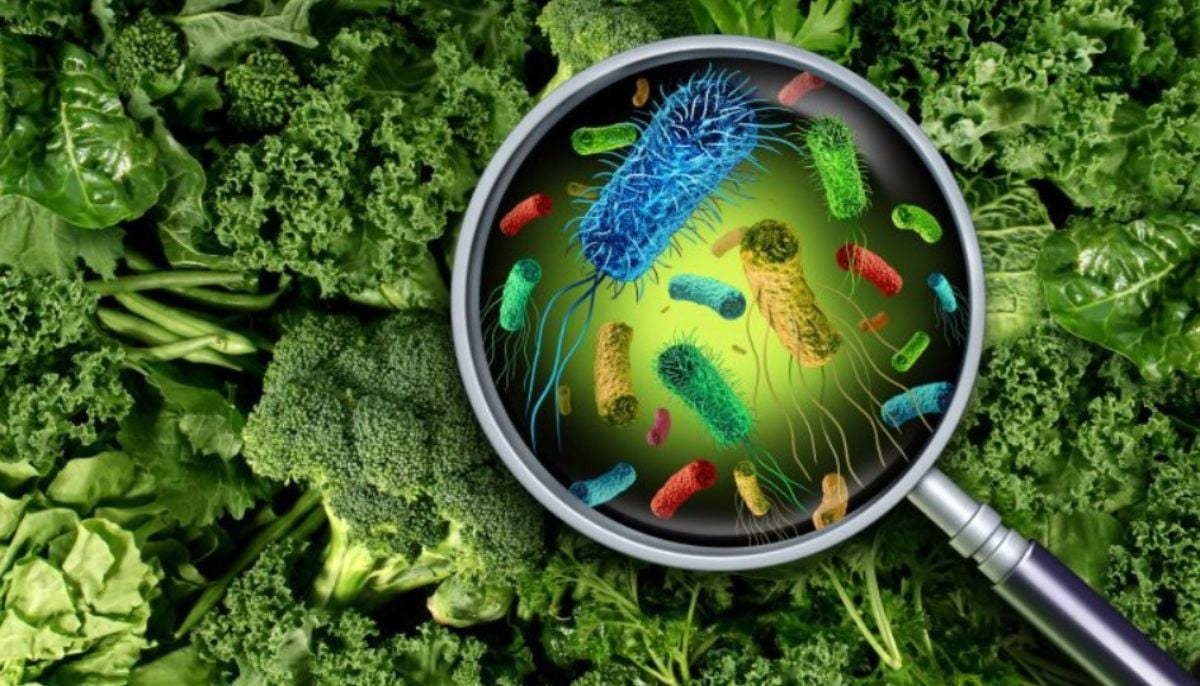
Scientists uncover cancer-causing chemicals hidden in everyday foods. They reveal these chemicals hidden in many common foods, particularly those cooked at high temperatures.
While a new technical advance shows that a high-speed food safety test could make it much easier to detect hidden cancer-causing chemicals in grilled and processed foods.
The research reflects that especially those foods exposed to high-heat cooking methods like grilling, roasting, smoking, and frying can carry harmful chemicals.
The compounds, known as PAHs, can form during cooking or enter foods through contamination, raising concerns about long-term health risks.
It happens when people pay close attention to what they eat, often tracking calories, exercising daily, and filling their plates with foods that seem naturally healthy, including fruits and vegetables.
But still ignore the fact that even nutritious foods can carry hidden chemical concerns, as some contaminants can enter food from the environment, such as fruits and vegetables exposed in local environments.
Among most harmful chemicals are Among the compounds of concern are polycyclic aromatic hydrocarbons, or PAHs (hydrophobic organic compounds comprising multiple fused aromatic rings). Some PAHs are known for their cancer-causing potential, which makes reliable food testing an important part of protecting public health.
In 2025 this study was initiated by the Department of Food Science and Biotechnology at Seoul National University of Science and Technology, which introduced a new method, "QuEChERS" (Quick, Easy, Cheap, Effective, Rugged, and Safe), to evaluate the process and detect chemicals in everyday food.


-
 Measles cases in US top 4,000 nationwide, CDC reports
 -
 Sexually transmitted diarrhea spread in US, UK: Why antibiotics are failing against Shigella
 -
 Who is Song Li? China puts her forward for WHO leadership role
 -
 CDC monitors travelers from Siberia after plague worker’s death, director says
 -
 Russia pushes back on plague death reports, defends WHO notification
 -
 WHO deems Russia plague risk 'low' following lab technician’s fatal illness
 -
 New York declares Measles state of emergency amid nationwide disease resurgence
 -
 First-of-its-kind treatment shrinks unborn baby’s tumour before birth