Google challenges US antitrust ruling in landmark search monopoly case
The tech giant is challenging a landmark antitrust decision that found it illegally maintained dominance in the online search market

Google appeals US court ruling on search monopoly in latest move.
Alphabet's Google on Friday appealed a Washington federal judge's ruling that it holds illegal monopolies in online search and related advertising.
Google argued that U.S. Judge Amit Mehta made legal errors in his 2024 ruling, which found the company illegally blocked competitors by paying billions of dollars annually to firms including Apple to be the default search engine on new devices.
The arrangements did not prevent the device makers and browser developers from promoting rival search services like Microsoft's Bing, Google argued.
The company said it excelled in the market fairly by developing a "superior search engine through hard work, bold innovation, and shrewd business decisions."
The U.S. Department of Justice is expected to file papers making its own arguments in July. A spokesperson for the DOJ declined to comment.
Mehta had ordered Google to share some search data with competitors, potentially including artificial intelligence companies such as OpenAI, to restore competition. An appeals court ruling in Google's favour would overturn that order.
If Google loses at the U.S. Court of Appeals for the District of Columbia Circuit, it could appeal to the U.S. Supreme Court.


-
 Is Europe ready for rogue AI? EU chief Henna Virkkunen weighs in
 -
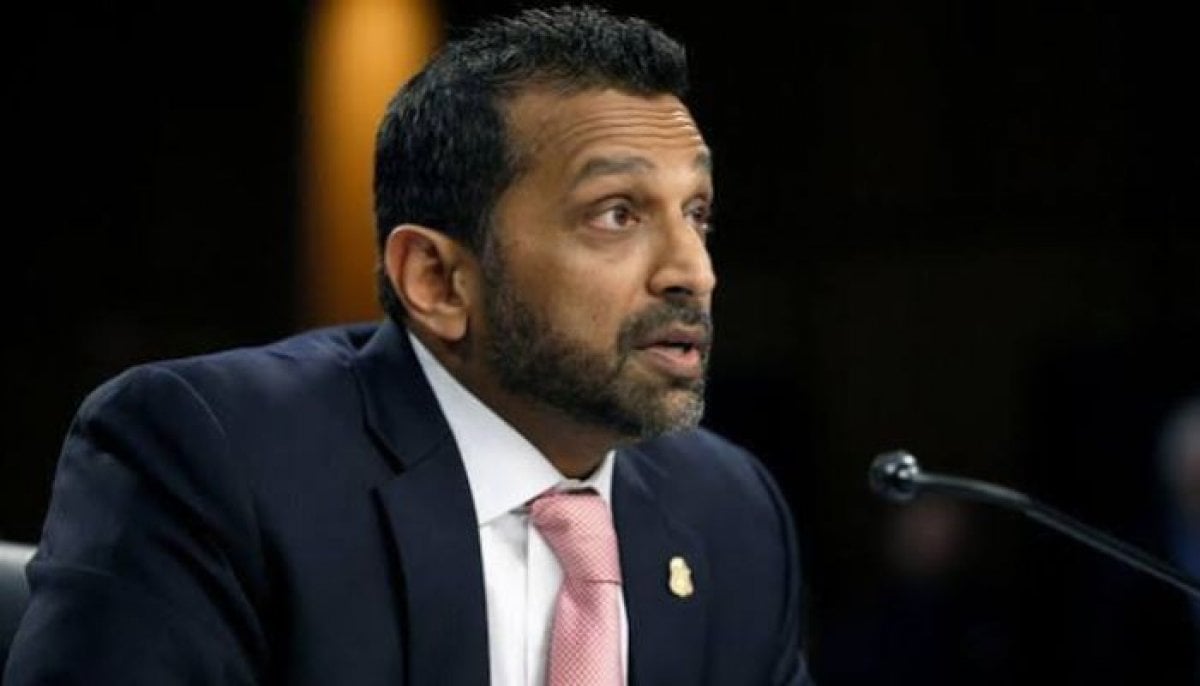 FBI arrests another suspect linked to ShinyHunters case, Kash Patel says
 -
 China sharpens tech ambitions with new AI-focused economic guidelines
 -
 OpenAI, Anthropic prepare for public backlash after catastrophic AI event: Report
 -
 Amazon may know more about you than you think: Here’s how
 -
 Can you get banned for insulting Claude? Here’s what policy says
 -
 SpaceX vs. Telecom: Elon Musk's Starlink enters mobile market—What to know
 -
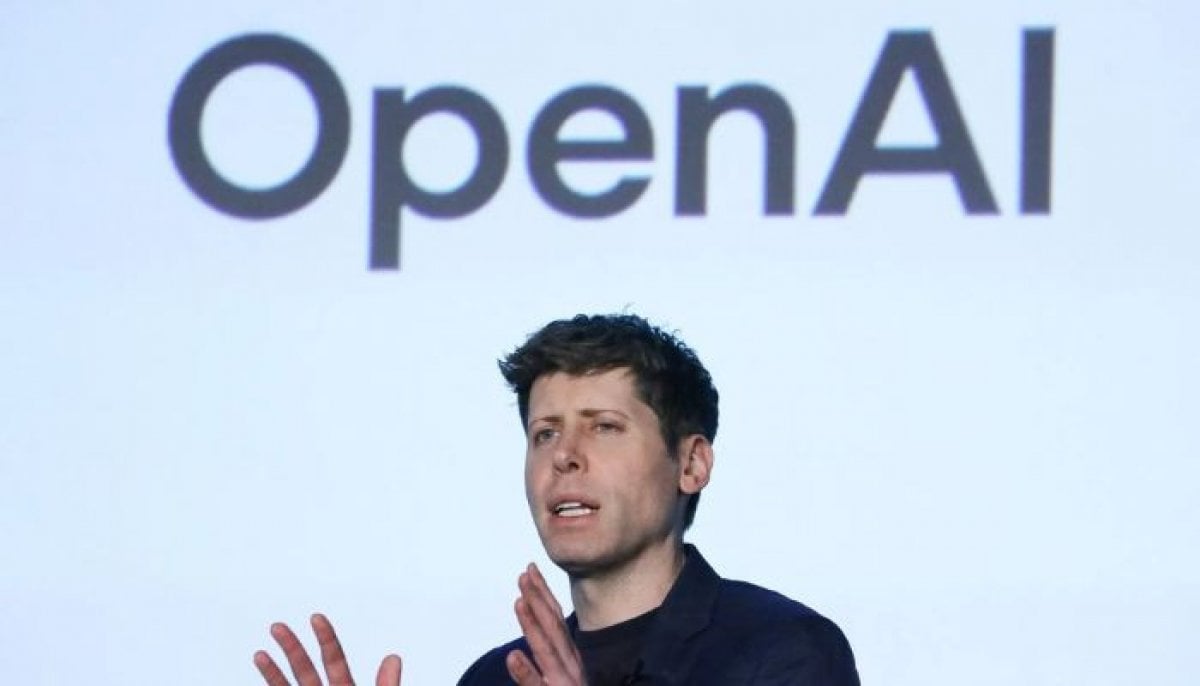 OpenAI explains why it fired 3 researchers amid ‘suspicious’ exit claims