Why Airbnb is using Chinese AI despite US warnings? CEO responds
Lawmakers, including committee chair John Moolenaar, warned that China-made AI systems could have hidden vulnerabilities
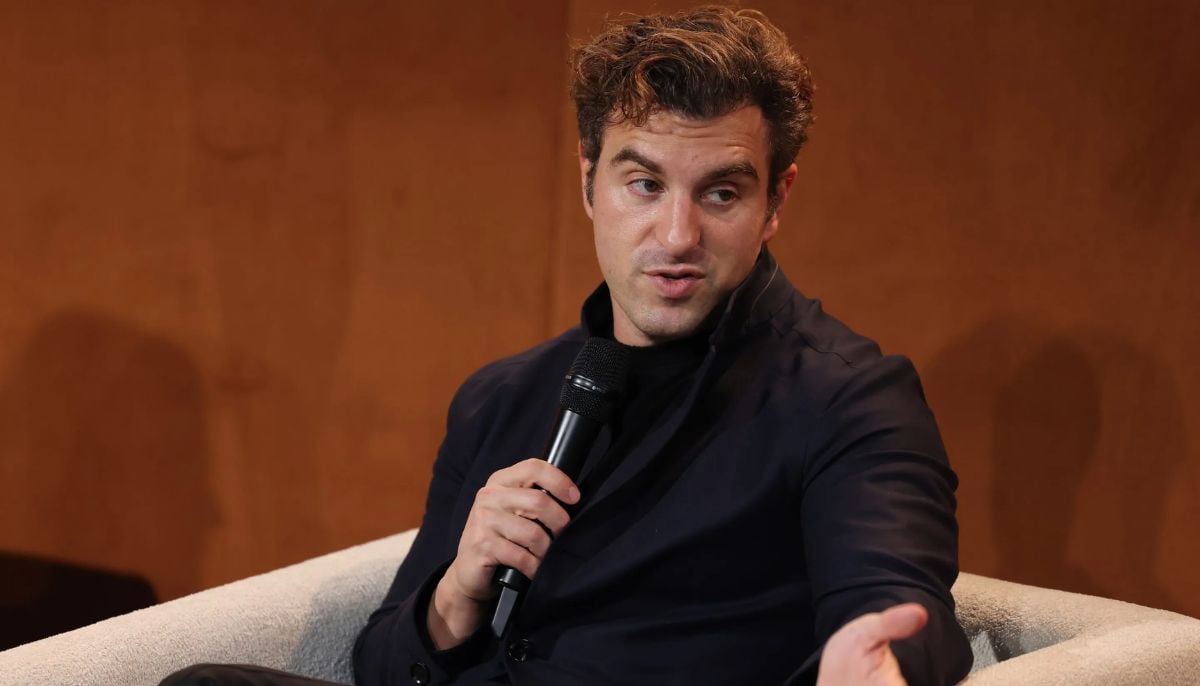
Airbnb has found itself at the centre of a growing geopolitical debate over artificial intelligence, after CEO Brian Chesky pushed back against US lawmakers questioning the company’s use of Chinese-developed AI models.
In a Bloomberg interview, Chesky sort of insisted that Airbnb does not share user data with Chinese firms, even though it uses Alibaba’s Qwen model in a few situations.
He also argued that open source AI models simply don’t get access to company data, and he claimed that lawmakers are reacting from a misunderstanding about how the technology works.
This clarification comes after US House committees kicked off a probe over whether Airbnb’s AI decisions might leak sensitive information about users or, you know, lead to security risks.
Lawmakers, including committee chair John Moolenaar, warned that China-made AI systems could have hidden vulnerabilities, partly because of regulatory limits and ideological controls inside China. In a letter to Airbnb, officials noted “serious concerns” about possible dangers for American users and for business systems, too.
Behind the controversy is the rapid growth of Chinese AI systems in global markets. An OpenRouter analysis of 100 trillion tokens found Chinese open-source models’ share jumped from 1.2% in late 2024 to nearly 30% in 2025.
A separate study by researchers at Massachusetts Institute of Technology (MIT) and Hugging Face said that Chinese open-weight models made up 17.1% of global downloads, beating the US for the first time, which is kind of big.
For companies the appeal is practical, like you get useful results without paying as much. Chinese models such as Alibaba’s Qwen and DeepSeek’s R1 deliver competitive performance for significantly lower costs.
Airbnb, for example, said its AI-powered customer service system cut resolution times from nearly three hours down to just six seconds after deployment, which sounds almost unreal.
Executives too, like Alphabet CEO Sundar Pichai, have also said that open-source models should be evaluated less by where they come from and more by performance and community oversight.


-
 Elon Musk's X Corp and SpaceXAI settle federal antitrust lawsuit against Apple over market monopolies
 -
 iPhone 18 Pro preorders now delays to October
 -
 'We may lose control': Stephen Hawking warning resurfaces amid AI slowdown calls
 -
 Lady Gaga's fiance builds an AI skin health startup
 -
 Elon Musk reveals how early he started thinking about AI safety
 -
 Ex-Apple researchers want to make AI voicebots feel human
 -
 China hits back at Anthropic CEO's AI slowdown call
 -
 Altman: Trump-Xi AI deal could win a Nobel Peace prize