CDC expands mandatory Ebola screening to Atlanta’s Hartsfield-Jackson international airport
Hartsfield-Jackson has previously screened passengers and has standard operating protocols in place
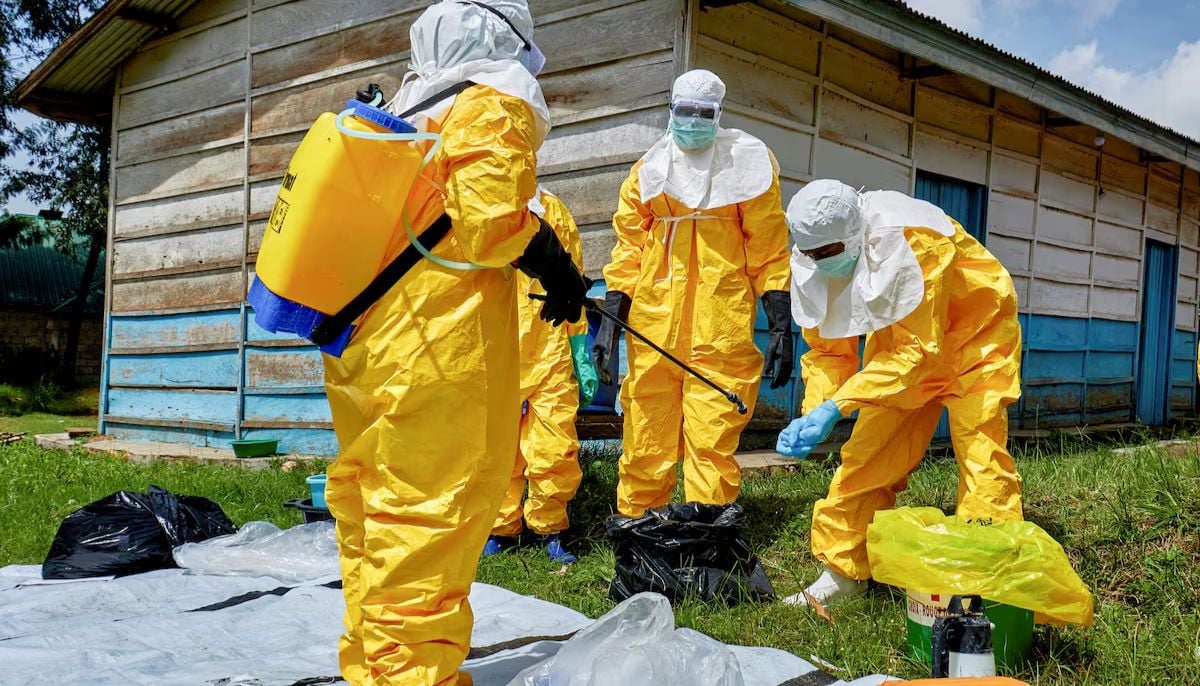
The US Centers for Disease Control and Prevention (CDC) has expanded its mandatory screening to include Hartsfield-Jackson Atlanta International Airport for Americans returning from the Democratic Republic of the Congo, Uganda and South Sudan.
Hartsfield-Jackson has previously screened passengers and has established standard operating protocols in place, according to recent reports by the US Centers for Disease Control and Prevention.
Meanwhile, Washington’s Dulles International Airport was given the task to screen returning citizens for the Ebola virus. This applies to border health screening, mandatory airline illness reporting and post-arrival health monitoring.
For those unversed, 82 cases have been confirmed in DRC. Notably, there are seven confirmed deaths, 177 suspected deaths and almost 750 suspected cases linked to the Bundibugyo strain of Ebola.
The Trump administration reportedly took a significant step to ban non-citizens, who had traveled to the DRC, Uganda or South Sudan in recent weeks from entering the United States.
The WHO regional director for Africa has previously issued a warning that it would be a significant mistake to underestimate the threat posed by the Ebola outbreak on Friday. One needs to be cautioned as just one case could spread the virus beyond the Democratic Republic of Congo and Uganda.


-
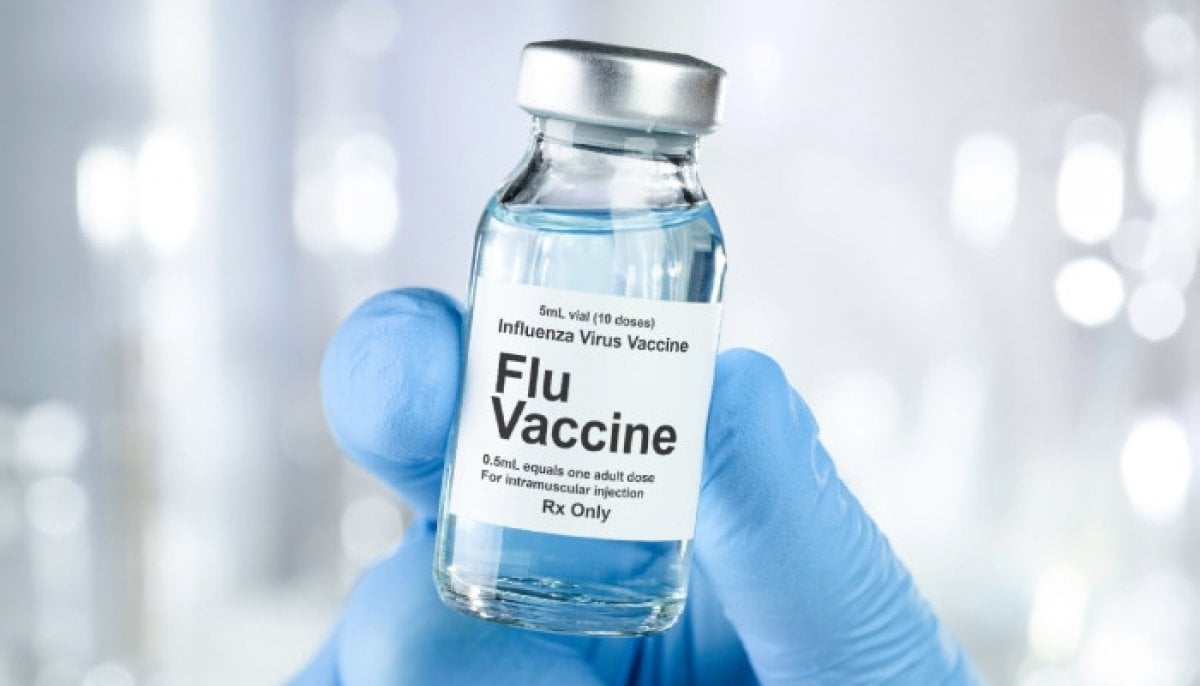 Health Canada reviewing new mRNA flu vaccine that could prevent more hospitalisations
 -
 Scientists discover hidden drainage route at the back of the eye
 -
 WHO confirms death at Russian research lab, says no plague case registered
 -
 Getting a $90 check from Social Security? Here’s why
 -
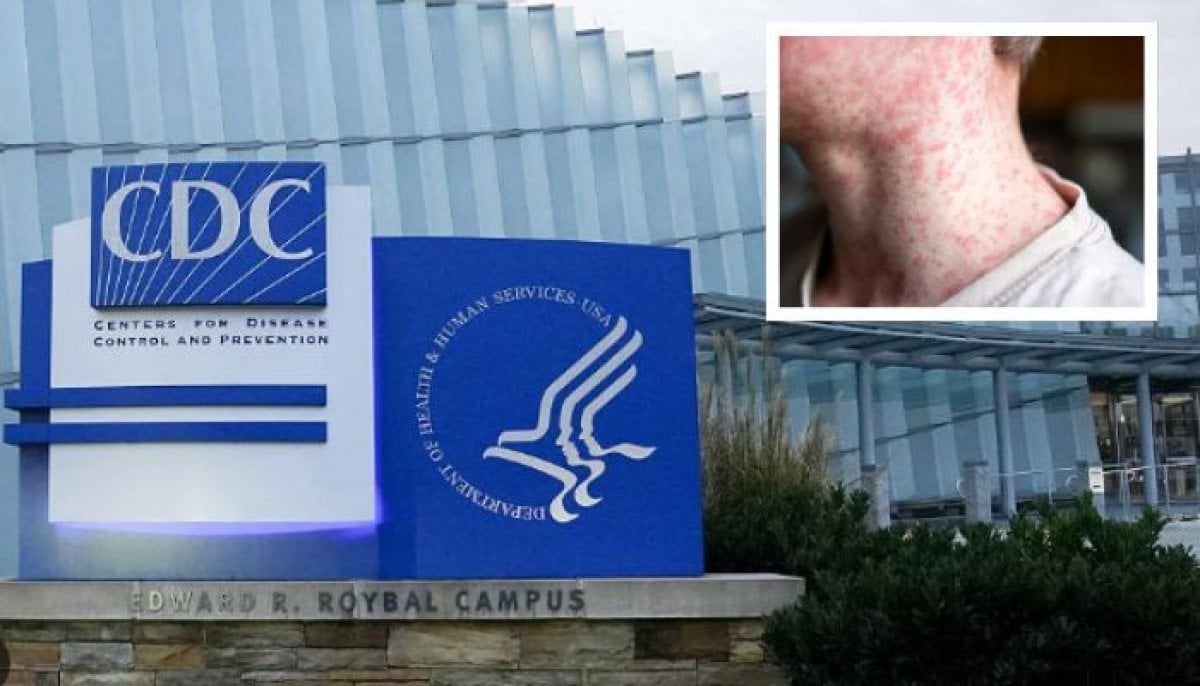 Measles cases in US top 4,000 nationwide, CDC reports
 -
 Sexually transmitted diarrhea spread in US, UK: Why antibiotics are failing against Shigella
 -
 Who is Song Li? China puts her forward for WHO leadership role
 -
 CDC monitors travelers from Siberia after plague worker’s death, director says