Scientists find clue to 'recharge' damaged nerves to ease chronic pain
A team of researchers at Duke University found that damaged nerves can be revived by supplying them with healthy mitochondria, the tiny energy producers inside cells
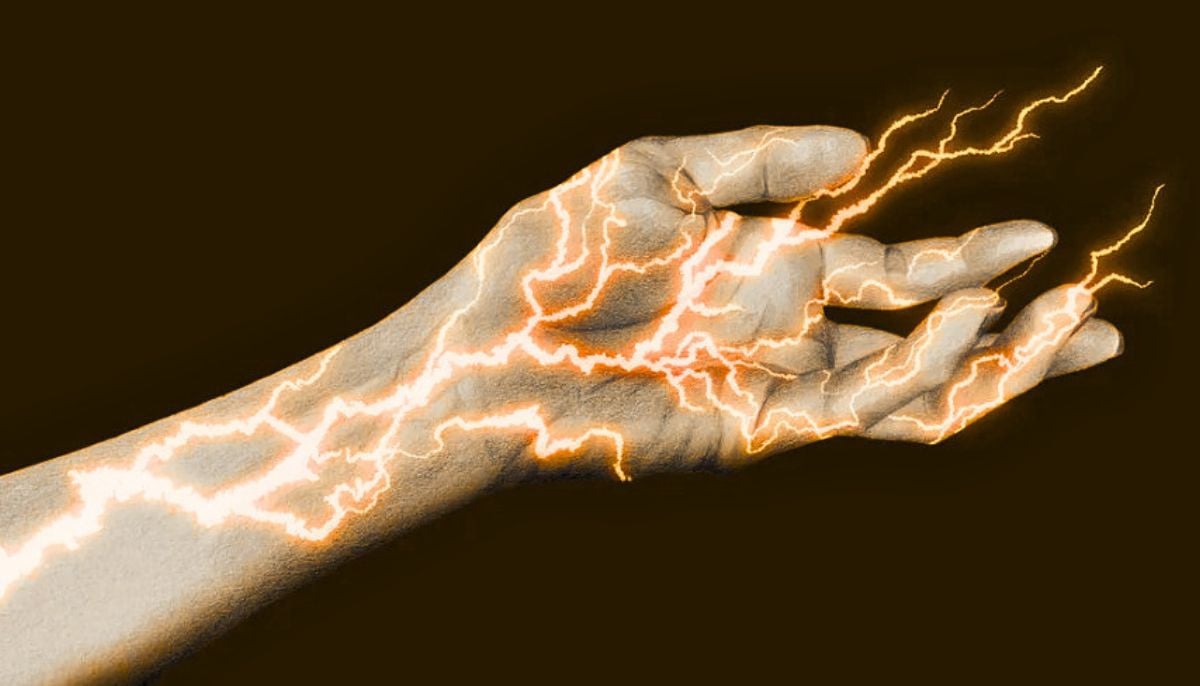
Researchers have identified a potential new pathway that could help “recharge” damaged nerves, offering hope for improved treatments for chronic pain conditions.
For millions battling chronic nerve pain, even the softest touch can feel agonizing. A team of researchers at Duke University found that damaged nerves can be revived by supplying them with healthy mitochondria, the tiny energy producers inside cells.
In early-stage studies, scientists found that certain cellular signals may help restore nerve function after injury, potentially reducing abnormal pain signals sent to the brain.
The findings suggest that nerves, once thought to have very limited recovery ability, may be more adaptable than previously believed.
Chronic pain affects hundreds of millions of people worldwide and is often caused by nerve damage that leads to long-term hypersensitivity. Current treatments mainly focus on pain relief rather than repairing the underlying nerve damage.
Scientists have long believed that this kind of pain may begin when mitochondria, the tiny structures that produce energy inside cells, stop working properly in damaged nerves.
The research team used both human tissue and mouse models to test whether replenishing mitochondria could help damaged nerve cells recover.
Rather than simply blocking pain signals, the researchers believe the approach may address one of the underlying causes of chronic nerve pain by restoring the energy supply nerve cells need to function properly.
This treatment technique remarkably reduced pain linked to diabetic neuropathy and chemotherapy-related nerve damage.
The study's senior author, Ru-Rong Ji, PhD, director of the Center for Translational Pain Medicine in the Department of Anesthesiology at Duke School of Medicine, said, "By giving damaged nerves fresh mitochondria or helping them make more of their own, we can reduce inflammation and support healing."
In some cases, even the pain relief lasted for up to 48 hours.
Scientists are increasingly viewing this process as a natural support system that may play a role in conditions ranging from obesity and cancer to stroke and chronic pain.
The researchers say more studies are still needed, including high-resolution imaging, to better understand exactly how the nanotubes deliver mitochondria within living nerve tissue.
While the key findings of the study were published in the journal Nature.


-
 AI stocks crash as top lab CEOs demand emergency technology slowdown amid extinction fears
 -
 Andy Burnham becomes first UK PM to complete Great North run for homelessness charity
 -
 Donald Trump's childhood home in New York sells for $2 Million after major renovation
 -
 Legendary Canadian heavyweight boxer George Chuvalo dies at 89
-
 Third measles-associated death reported as Pennsylvania outbreak reaches 676 cases
 -
 Cyclosporiasis outbreak: US officially ends largest outbreak linked to contaminated lettuce
 -
 Hot beverages increase risk of cancer? New research provides in-dept details
 -
 Highest-level recall issued for potato chips over banned ingredient posing death risk
 -
 Very hot tea and coffee could triple cancer risk, Oxford study warns
 -
 Global study reveals nearly 1.7 million deaths linked to second-hand smoke exposure in 2023
 -
 AI-designed drug also slowed biological aging, study finds
 -
 Always tired and foggy? This vitamin deficiency could be the clue
-
 Is loneliness becoming the next global health crisis?
 -
Ebola outbreak: Congo faces deadliest crisis with over 3,000 deaths
-
New report reveals, children as young as six going to A&E in mental health crisis
-
'Self-exercising' muscle implants developed by researchers offer workout benefits without movement