'Self-exercising' muscle implants developed by researchers offer workout benefits without movement
The preclinical study introduces a novel approach aimed primarily at helping elderly, obese, or bedridden patients who are physically unable to work out
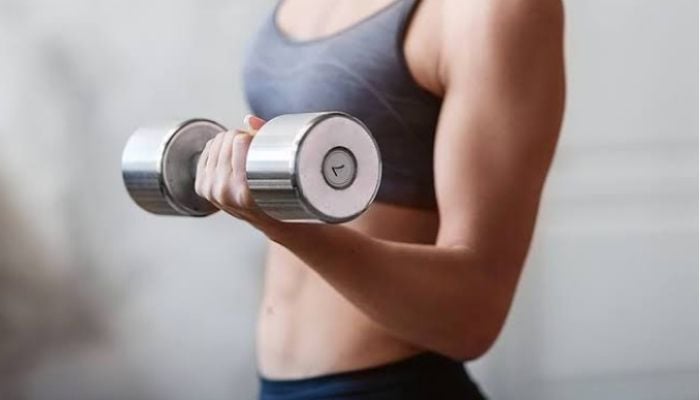
In a major biomedical breakthrough, researchers at the Chinese Academy of Sciences' Institute of Zoology have successfully engineered "myografts" living, self-contracting muscle tissue implants that operate autonomously beneath the skin to mimic the systemic health benefits of physical exercise.
Published in the journal Nature Aging, the preclinical study introduces a novel approach aimed primarily at helping elderly, obese, or bedridden patients who are physically unable to work out.
Autonomous Movement: Unlike traditional engineered tissue, these injected muscle cells naturally self-organize, develop their own blood supply (vascularization), and contract continuously 24/7 without requiring conscious thought, nerve signals, or physical movement.
The "Endocrine" Output:
Because skeletal muscle functions as an endocrine organ, the constant contractions prompt the tissue to continuously pump beneficial signaling molecules (myokines), growth hormones, and metabolic regulators directly into the bloodstream.
According to the lead researchers, the round-the-clock secretion rate of these grafts can ultimately yield a higher net volume of beneficial biochemical factors than a standard one-hour gym workout without placing physical stress on the heart or joints.
When tested across adult, aged, and diet-induced obese mice, the implants produced striking results.
Key Findings in Animal Models:
Mice carrying the grafts showed measurable systemic gains in lean muscle mass, muscle performance, bone mineral density, and overall metabolic health.
Treated subjects exhibited molecular markers pointing toward lower systemic inflammation and decreased fat accumulation.
While the concept sounds like a sci-fi shortcut for skipping the gym, the research team led by Ng Shyh-Chang emphasizes that the primary target audience consists of individuals with severe medical constraints, such as intensive care unit (ICU) patients, trauma victims, or those suffering from muscle atrophy, osteoporosis, and neurodegenerative decline.
The technology remains strictly in the preclinical phase, and extensive human safety and efficacy clinical trials must be cleared before these self-exercising grafts can become a viable medical treatment.


-
 New personalized cancer vaccine cuts Melanoma recurrence risk by 42%, trial shows
 -
 Prime editing rewrites DNA inside human body for the first time
 -
 WHO investigates mystery Ebola case in Nigeria as outbreak spreads beyond DR Congo
 -
 Virginia Sen. Louise Lucas indicted on racketeering and marijuana charges
 -
 France confirms world's first human case of Shamonda virus; patient dies
 -
 OpenAI agents uncover brain disease leads: Here’s how
 -
 AI tool can now predict cancer survival by a single patient selfie: Find out how
 -
 Scientists identify a new type of depression affecting 1 in 4 patients
-
 Everything to know about US FDA’s new guidance on apps used with prescription drugs
 -
‘Immortal’ jellyfish could hold clues to slowing human ageing
-
Ebola crisis worsens in DR Congo as virus reaches eighth province with over 4,500 dead
-
Study finds eating blueberries every day can surprisingly boost your mood