New personalized cancer vaccine cuts Melanoma recurrence risk by 42%, trial shows
Phase 3 trial results show custom-tailored immunotherapy significantly lowers recurrence rates for high-risk melanoma patients, marking a major leap in precision oncology
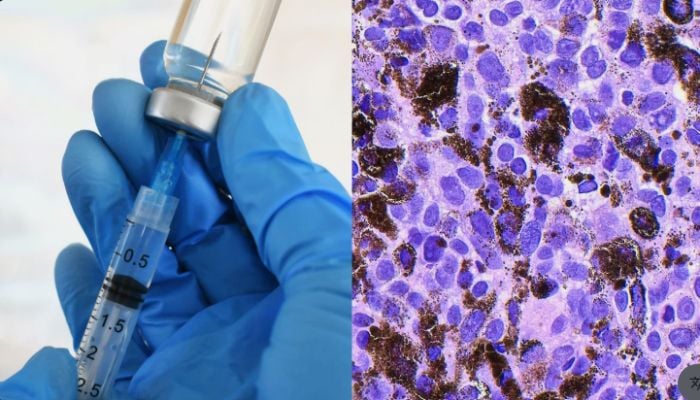
A world-first personalized cancer vaccine has been shown to cut the risk of melanoma returning or resulting in death by 42% when administered alongside standard immunotherapy.
The vaccine, called Intismeran, uses the same mRNA technology as some Covid jabs.
According to landmark Phase 3 clinical trial results, the new drug combination reduced the risk of melanoma, a type of skin cancer, spreading by 38% over two years compared to immunotherapy alone.
It is personalised to each patient, using information from their own tumour to help train their immune system to recognise cancer cells and target them if they return.
Two years after starting the treatment, the patients who received the jab were far less likely to have had melanoma come back or see it spread across the body.
The drug manufacturers MSD and Moderna say the same approach is already being tested against other tumours, including kidney, bladder and lung cancer.
Independent cancer experts described the results as impressive but said longer-term studies were still needed to establish whether the treatment really helps most patients live longer, on average.
The extensive study, developed jointly by pharmaceutical leaders Moderna and Merck, evaluated more than 1,000 patients with high-risk melanoma, the most aggressive and dangerous form of skin cancer.
Unlike traditional one-size-fits-all treatments, the experimental mRNA vaccine (intismeran autogene) is custom-built around the unique genetic fingerprint and tumor neoantigens extracted from an individual patient’s surgically removed tumor.
When combined with the immunotherapy drug pembrolizumab (Keytruda), the vaccine successfully trains the patient's immune system to actively hunt down and destroy remaining microscopic cancer cells.
Trial data revealed that vaccinated patients achieved an 82% recurrence-free survival rate at two years, compared to 70% among those who received standard immunotherapy alone.
Medical experts attending the presentation of the data hailed the findings as a watershed moment for precision medicine, paving the way for customized genetic treatments across other forms of solid tumors pending upcoming regulatory reviews by the FDA and global health agencies.
The researchers involved say the results could mark a turning point in cancer treatment, bringing personalized medicine a step closer.


-
 Prime editing rewrites DNA inside human body for the first time
-
 WHO investigates mystery Ebola case in Nigeria as outbreak spreads beyond DR Congo
-
 Virginia Sen. Louise Lucas indicted on racketeering and marijuana charges
-
 France confirms world's first human case of Shamonda virus; patient dies
-
 OpenAI agents uncover brain disease leads: Here’s how
-
 AI tool can now predict cancer survival by a single patient selfie: Find out how
-
 Scientists identify a new type of depression affecting 1 in 4 patients
-
 Everything to know about US FDA’s new guidance on apps used with prescription drugs