AI robot pharmacist deployed in Beijing as China expands smart healthcare
Galbot G1 robot also shows 99.5 percent of grasping success during operations
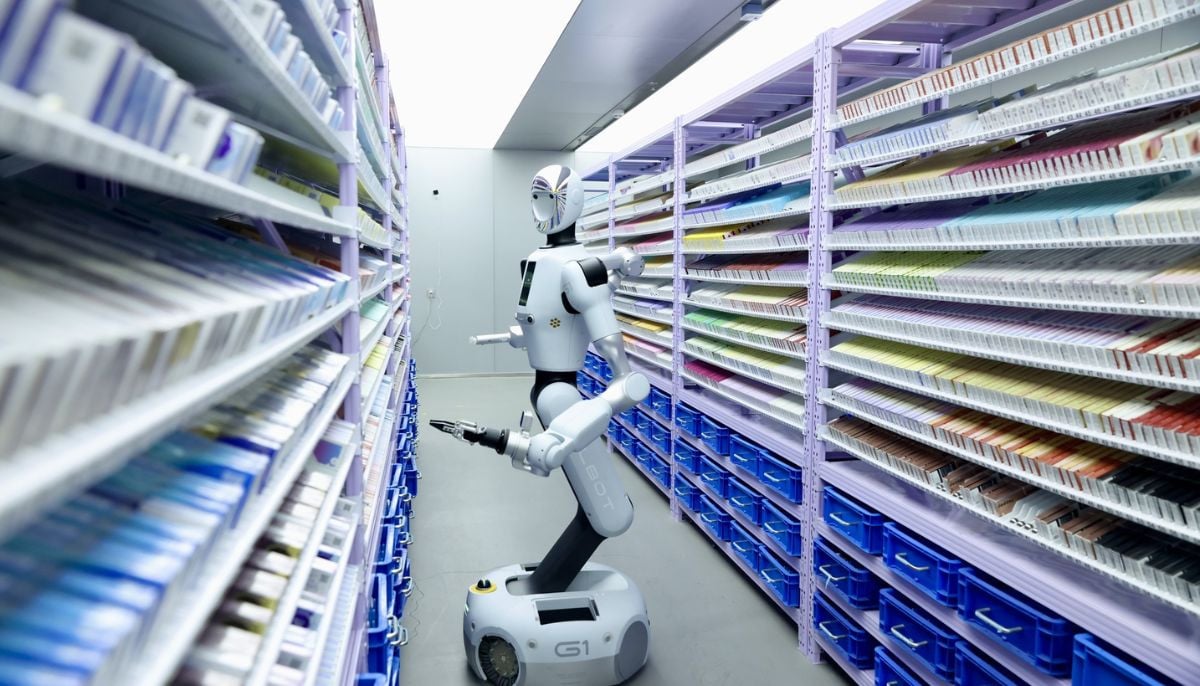
In a recent AI-powered breakthrough in the healthcare retail sector, China has deployed the first robot pharmacist in Beijing’s Haidian District.
Named Galbot G1 and developed by Beijing Galbot Co. Ltd, the robots have been trained to serve as sales assistants as long as the operating company possesses a valid permit for pharmaceutical distribution.
When it comes to operational efficiency, these robots can not only locate medicines placed on the shelves, but also pick up and package them.
The robot can handle the various varieties of items, including fragile or irregularly-shaped packages. The robot also shows 99.5 percent of grasping success rate during the handling of medicines.
Optimized for high-stakes retail environments, this system streamlines the sales of pharmaceuticals, medical devices, and packaged wellness goods.
By automating the heavy lifting, including inventory auditing, replenishment, picking, and packaging, it ensures accuracy and speed where they matter most.
The robot pharmacist also features AI visual recognition and traceability code scanning to record the shelf life of medicines and help prevent expired drugs from entering the market.
According to the local regulators, the recent deployment highlights integration of AI in healthcare and expansion of smart services models in community pharmacies.


-
 CDC monitors travelers from Siberia after plague worker’s death, director says
 -
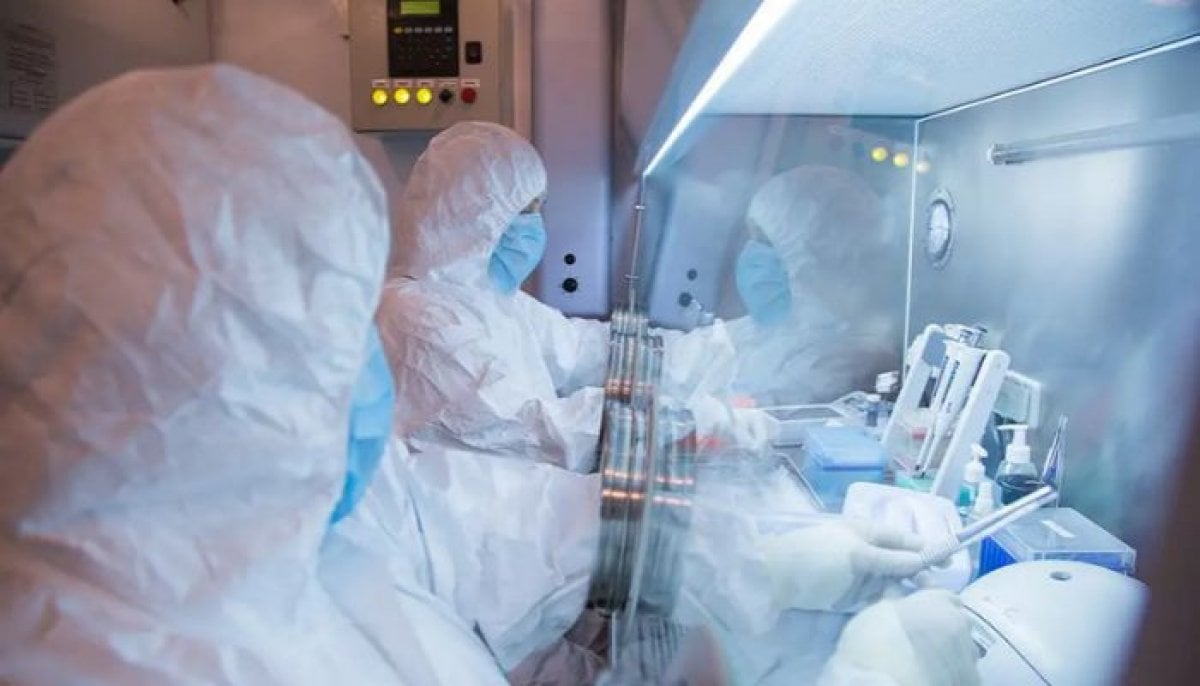 Russia pushes back on plague death reports, defends WHO notification
 -
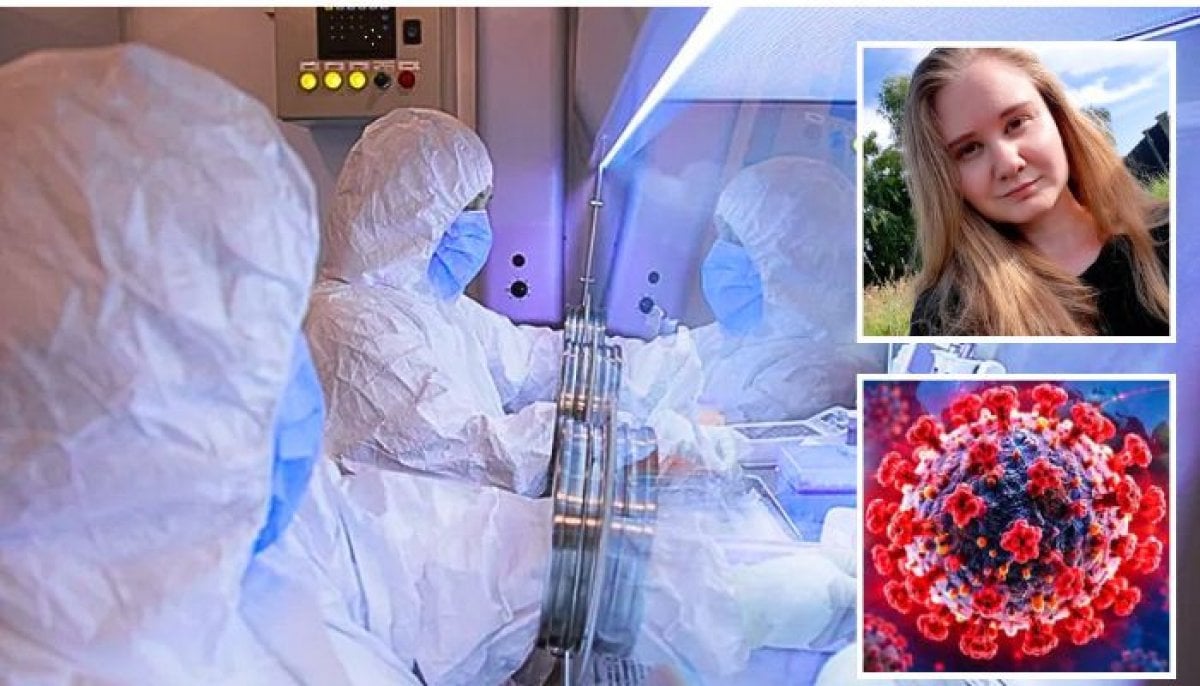 WHO deems Russia plague risk 'low' following lab technician’s fatal illness
 -
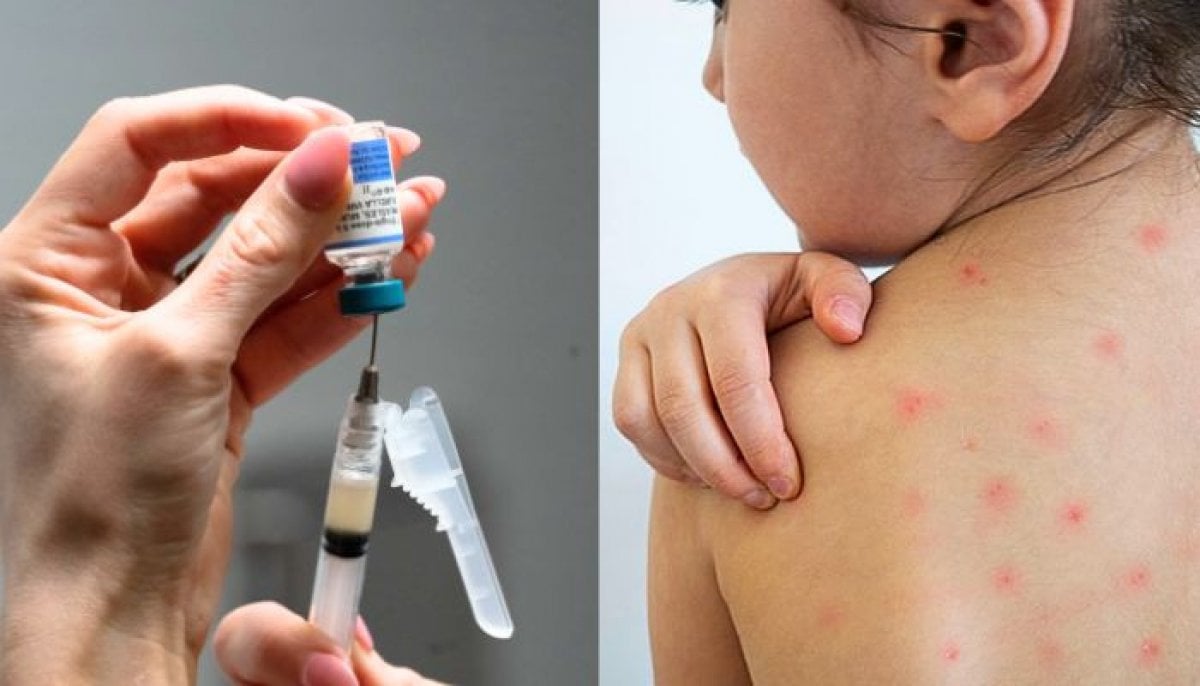 New York declares Measles state of emergency amid nationwide disease resurgence
 -
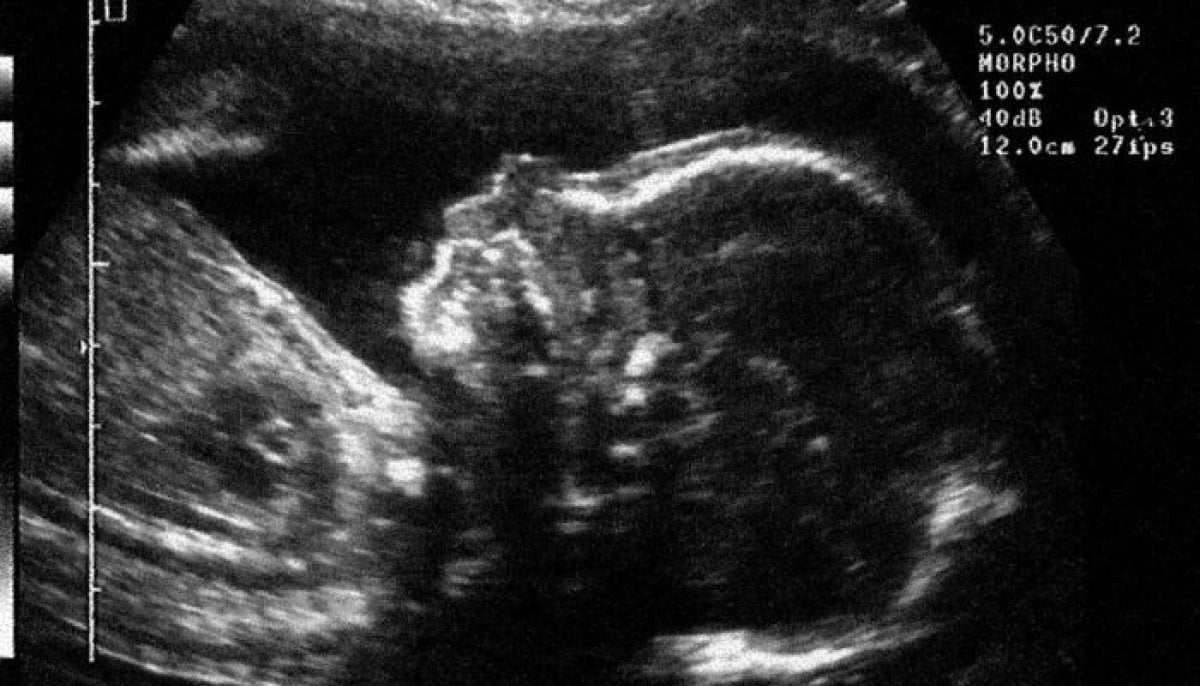 First-of-its-kind treatment shrinks unborn baby’s tumour before birth
 -
 France steps up Ebola support in Congo as fears of resurgence grow
 -
 Vance’s fraud crackdown may raise health insurance costs for Americans
 -
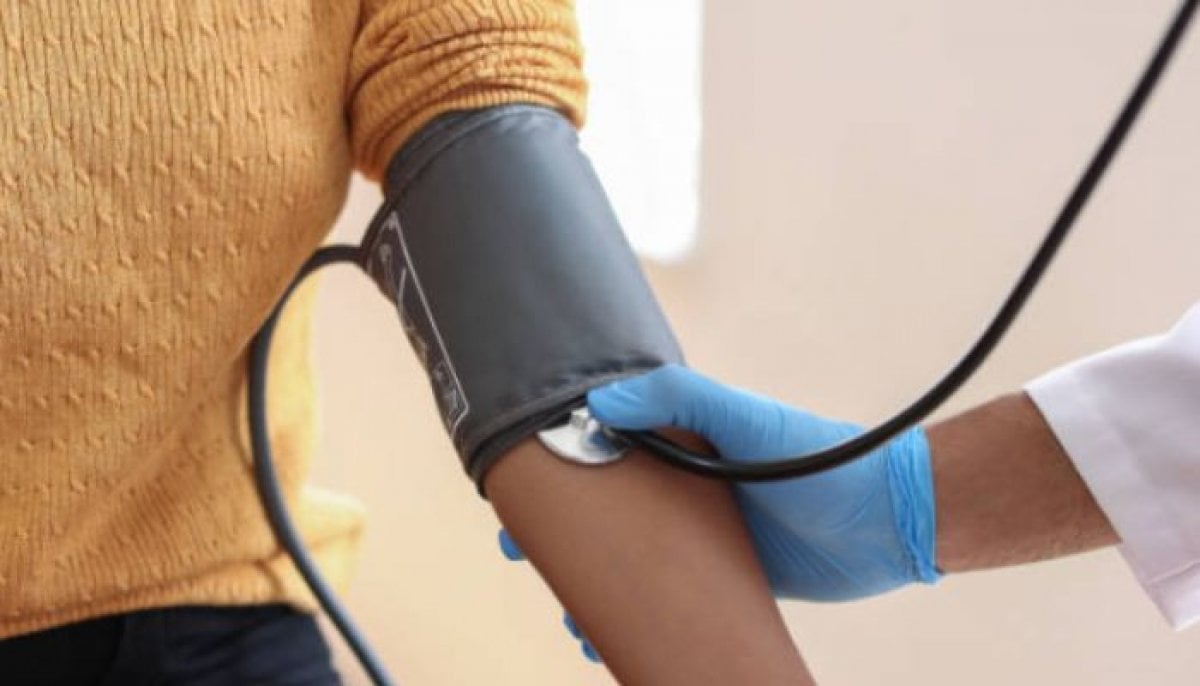 One common mistake elevates blood pressure readings by 7 points, study warns
-
 Moderna loses US government license defense in patent case
 -
Novo says new Ozempic shows lower cardiovascular risk compared with Lilly’s Mounjaro
-
University of Nottingham researchers say new gel could regrow tooth enamel in weeks
-
New Chinese drug extends stroke treatment window from hours to 2 days: study finds