
NIPA, PASC collaborate to drive industrial investment growth in Pakistan
In addition to regulatory review, group will consider long-term investment strategies
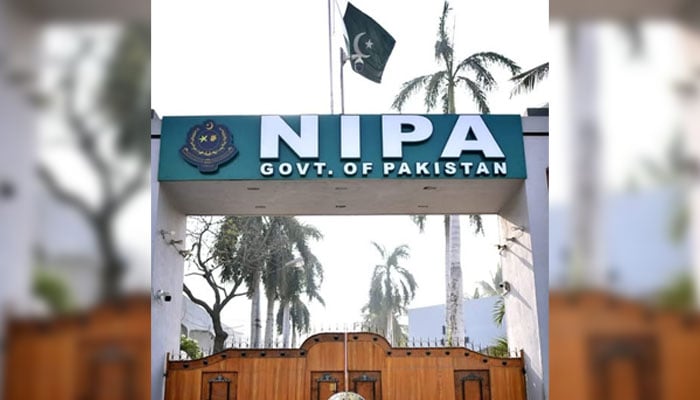
LAHORE: The National Institute of Public Administration (NIPA) and Pakistan Administrative Staff College (PASC), the key institutions responsible for training Pakistan’s civil service officers, have launched an initiative aimed at boosting industrial investment in Pakistan especially in Punjab.
This partnership focuses on using the Punjab government’s “Business Facilitation Centers” as a role model project to guide future policy and investment facilitation efforts. By incorporating these centers into their training programs, both institutions are positioning their officers to take on critical roles in transforming the industrial landscape.
Officers during the completion of NIPA’s prestigious Mid-Career Management Course (MCMC) are also working together as part of a research group to explore practical solutions to increase industrial investment, particularly in Punjab. Their objective is to form a joint working group involving the Chairman of the Board of Investment Punjab and Secretary of the Special Investment Facilitation Council (SIFC) to develop strategies for enhancing both local and foreign industrial investment in the province.
This research group will focus on several key aspects of industrial development, including assessing the current level of foreign investment in Punjab’s industrial sector and identifying methods to expand it. The group’s agenda will cover a broad spectrum of issues, such as the regulatory framework governing investment, challenges faced by stakeholders in attracting investors, and opportunities for improving the legal and organizational structures related to industrial development.
One of the group’s primary goals is to establish a detailed plan for overcoming obstacles to industrial growth and investment in Punjab. This includes a review of existing policies and regulations, with a particular focus on simplifying the process of setting up new industries. A critical point of inquiry is whether there is a streamlined, coherent model for obtaining necessary permits, such as No-Objection Certificates (NOCs), for establishing industrial ventures in Pakistan, and how regulatory inefficiencies can be addressed at both the federal and provincial levels.
The research group will also assess sectors that could benefit from foreign joint ventures, particularly in light of Pakistan’s recent improvements in the World Bank’s ease of doing business ranking. This assessment will include a deep dive into the specific regulatory frameworks hindering or delaying industrial development and will compare Pakistan’s policies with those in neighboring countries like India, Bangladesh, and Vietnam. The aim is to identify successful strategies that could be adapted to Pakistan’s context.
In addition to the regulatory review, the group will consider long-term investment strategies. One of the primary questions being investigated is whether the Department of Industries has outlined a clear, forward-looking plan for the next decade to facilitate industrial growth. This includes exploring Pakistan’s position in the global value chain and identifying ways to move from raw exports to value-added products, which can open new markets and attract further foreign investment.
The research group is also considering how Pakistan can increase its foreign investment by $20 billion annually over the next five years. They will look into creating an operational plan that would help the country improve its ease of doing business ranking by at least 50 points, with the goal of creating a more attractive investment climate. This will involve evaluating Pakistan’s regulatory environment, improving coordination between federal and provincial departments, and ensuring a more efficient investment facilitation process.
An essential part of the group’s strategy will be developing a digital transformation plan for investment facilitation, which could streamline processes, improve transparency, and create more opportunities for joint ventures between local and foreign investors. This plan will also address how to better leverage existing resources and incorporate best practices from other countries, especially in South Asia.
Through this collaborative effort, the NIPA and PASC are not only training the next generation of civil servants but are also actively contributing to shaping the future of industrial investment in Punjab. With a comprehensive, multi-pronged strategy, the research group aims to help create an environment that attracts both domestic and foreign investment, which is crucial for Pakistan’s economic growth and industrial development in the coming years.







-
 Lisa Kudrow Reflects On Love Story With Michel Stern Before 'Friends'
 -
 Miley Cyrus Reveals 'terrible' Habit She Learned From Dolly Parton
 -
 Prince Harry Urged To Be ‘less Glossy’ After Netflix Snub
 -
 Demi Lovato Reveals Why One Aspect Of Wedding Planning Felt 'intimidating'
 -
 King Charles Rolls Out Royal Treatment With Lavish State Banquet For Nigeria's President
 -
 Zendaya Reveals Her Go-to Wedding Vibe Amid Tom Holland Marriage Rumors
 -
 Timothée Chalamet Faces Huge 'snub' From 'Dune 3' Team At Trailer Launch
 -
 Miley Cyrus Spills How Father Billy Ray Became On-screen Dad On ‘Hannah Montana’
 -
 Meghan Markle, Prince Harry Face Scathing Response From Author Tom Bower
 -
 Americans' Credit Applications Rise To Highest Level Since October 2022: Says New Fed Report
 -
 Prince Harry Heartbreak As King Charles Ruled Out Favourite Job
 -
 One Direction Member Reveals He Always Hated Singing 'What Makes You Beautiful'
 -
 Robert Pattinson Surprising Relationship Hint About Suki Waterhouse Grabs Attention
 -
 King Charles Gives Nigerian First Couple Rare Access To Royal Collection
 -
 TrumpRx Lists Many Medicines At Prices Higher Than Paid In UK, Report Says
 -
 Meghan Markle Gets Special Help In New Project