
Pakistan’s journey: From golden 60s to present
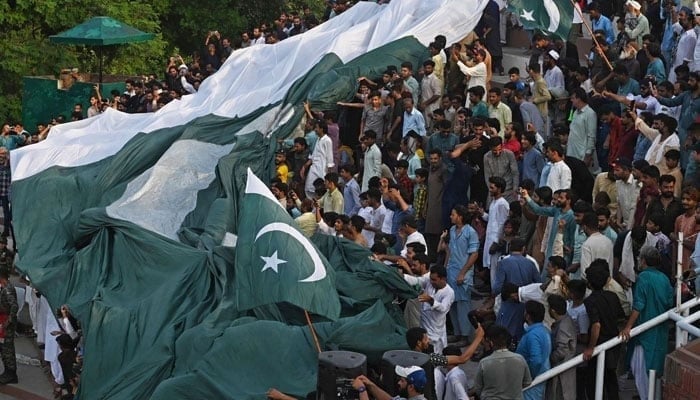
In the 1960s, Pakistan was a nation on the rise, marked by rapid industrialisation and significant infrastructure projects, including the construction of dams and barrages across the country. With a robust GDP growth rate of 6.7%, the Green Revolution of the time led to impressive agricultural gains, particularly in wheat and rice production.
Pakistan International Airlines (PIA) was celebrated globally, with figures like President John F. Kennedy and Queen Elizabeth II recognising its excellence. Even South Korea modelled its economic plans after Pakistan’s, aspiring to similar development success.
However, despite this promising start, Pakistan’s trajectory has faltered. Although the country achieved nuclear power status, it struggles with policy implementation, leading to missed opportunities and unfulfilled potential. In 2013, Professor Jwa Sung Hee from the Korean Development Institute noted that while South Korea followed the plans it adopted from Pakistan, the outcomes for the two countries diverged dramatically due to differences in execution. This failure to implement policies continues to hinder Pakistan’s progress.
Today, Pakistan faces numerous challenges. PIA, once a symbol of national pride, now suffers from inefficiency, overstaffing, and poor service, leading to significant financial losses and a tarnished reputation. The airline’s recent crises, including the 2020 Karachi crash and revelations of fake pilot licenses, have further damaged its standing, resulting in international bans and a bleak future.
Education is another area of concern, with 26 million children out of school and a literacy rate that is both low and dubious. Despite the government’s declaration of an “education emergency,” meaningful action remains elusive. Addressing these issues requires a coordinated, multi-faceted approach involving all stakeholders.
Gender inequality also plagues Pakistan, with the country ranking near the bottom of global indices. The systematic subordination of women limits their potential and contributes to broader societal challenges. Urgent policy solutions and structural interventions are needed to address this issue.
Moreover, Pakistan’s passport ranks among the least powerful globally, reflecting its declining international credibility. The country also struggles with widespread corruption, further eroding its reputation.
Pakistan must confront these harsh realities and take decisive action to reverse its downward trajectory. Time is running out, and the nation must act before it is too late. —Rehan Sayeed (The author is a senior consultant at the Burki Institute of Public Policy at Netsol. He can be reached at rehan30@hotmail.com)







-
 Chappell Roan Makes It Out Of The 'hurricane' To Become 'a Good Person'?
 -
 Hezbollah Agrees To US-backed Ceasefire Proposal As Israel Warns Strikes Could Resume
 -
 Former Newcastle United Player Kevin Keegan Diagnosed With Stage 4 Cancer
 -
 A.J. Brown Joins Patriots In Major Trade Reunion With Coach Mike Vrabel
 -
 Netanyahu Faces Political Pressure As Israel Parliament Backs Early Election Bill
 -
 Kirstin Maldonado Breaks Silence On Her Broadway Debut In 'SIX'
 -
 Stephen Curry Signs Blockbuster 10-year Deal With Li-Ning After Under Armour Exit
 -
 Florida Sues OpenAI, Claims ChatGPT Aided Mass Shooters And Endangered Children
 -
 Keir Starmer Under Pressure: UK PM To Chair Labour Cabinet After Mandelson Files Expose Party Divisions
 -
 Rick Adelman, NBA Legend And Hall Of Fame Coach Dies At 79
 -
 Sir Rod Stewart, Frankie Valli Spark Death Fears Amid Major Health Issues
 -
 Trump Pauses Controversial Anti-weaponization Fund After Pressure From GOP Lawmakers
 -
 Inside Trump And Netanyahu’s Heated, Expletive-ridden Call Over Israel’s Plans For Lebanon
 -
 US-Iran Talks Reportedly Resume As Trump Says Deal Could Be Reached Within A Week
 -
 Active Shooter Alert Issued In Saskatchewan, As RCMP Urges Residents To Shelter In Place
 -
 Mandelson Files Leak: What We Know So Far From The Latest Controversy