
Reality check
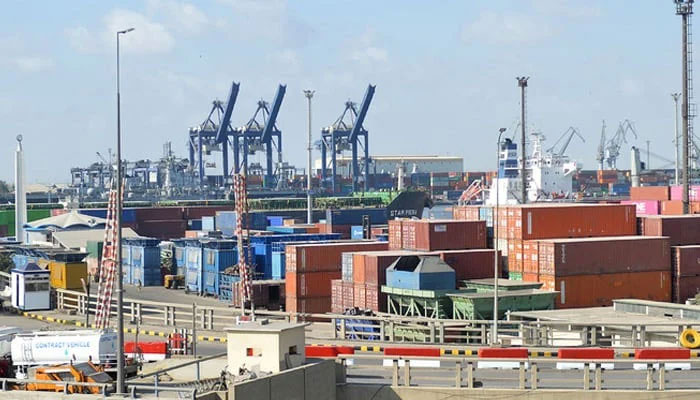
LAHORE: Pakistan’s economic challenges do not have quick fixes. Achieving sustainable growth demands tough but necessary reforms, a commitment to long-term development, and the building of trust with international partners.
The country’s economic relationship with the IMF and other international creditors is marked by cyclical dependence. Frequent reliance on IMF bailout packages has burdened the population, with stringent conditions leading to heightened poverty and economic hardship.
The country grapples with deep-rooted structural issues, including a narrow tax base, inefficiencies in the energy sector, a large informal economy, and low productivity in key areas such as agriculture and manufacturing. The heavy domestic and external debt makes it challenging to invest in long-term growth initiatives. The focus on short-term debt rescheduling creates uncertainty and obstructs sustainable economic planning.
International investors and friendly nations are wary of committing to long-term investments due to concerns about political instability, governance, and economic management. The IMF's conditions, aimed at stabilizing the economy by reducing fiscal deficits, removing subsidies, and implementing structural reforms, while crucial for long-term stability, often worsen short-term hardships for the population.
Pakistan needs comprehensive reforms that extend beyond IMF stipulations. This includes broadening the tax base, improving tax collection, enhancing transparency, and addressing corruption. Reforms in critical sectors like energy, agriculture, and manufacturing are essential to boost productivity and reduce import dependency.
While the IMF often serves as a lender of last resort, engaging proactively with other multilateral institutions such as the World Bank, the Asian Development Bank, and the Islamic Development Bank can help build infrastructure and support growth.
Strengthening independent institutions to manage economic policies effectively is crucial. This involves enhancing the central bank's capacity, improving public-sector enterprise efficiency, and ensuring the rule of law to foster a conducive investment environment.
Increasing exports through diversification, value addition, and improved competitiveness can help reduce the trade deficit and reliance on external financing. Exploring new markets, improving product quality, and negotiating better trade agreements could be advantageous.
Creating a stable and predictable business environment is key to attracting foreign direct investment (FDI). This requires not only macroeconomic stability but also addressing governance issues, ensuring property rights, and providing incentives for long-term investments in critical sectors like energy, technology, and infrastructure.
Pakistan could seek more favourable debt restructuring terms or relief from bilateral and multilateral creditors. Negotiating longer-term rescheduling or partial debt forgiveness could offer breathing room for economic planners.
Implementing targeted social safety nets to protect the most vulnerable during economic reforms is crucial. Instead of cash disbursement programmes, focusing on health, education, and direct income support can help mitigate the adverse effects of austerity measures.
Political stability is essential for economic growth. Building consensus across political parties for a long-term economic plan and reducing political volatility can boost investor confidence and economic prospects. While IMF programmes offer temporary relief, a broader strategy involving structural reforms, institutional strengthening, and engagement with multilateral partners is vital for Pakistan to break the cycle of dependency and build a resilient economy.






-
 Sam Levinson Donates $27K To Eric Dane Family Fund After Actor’s Death
 -
 Savannah Guthrie Mother Case: Police Block Activist Mom Group Efforts To Search For Missing Nancy Over Permission Row
 -
 Dove Cameron Calls '56 Days' Casting 'Hollywood Fever Dream'
 -
 Prince William, Kate Middleton ‘carrying Weight’ Of Reputation In Epstein Scandal
 -
 Timothée Chalamet Compares 'Dune: Part Three' With Iconic Films 'Interstellar', 'The Dark Knight' & 'Apocalypse Now'
 -
 Little Mix Star Leigh-Anne Pinnock Talks About Protecting Her Children From Social Media
 -
 Ghislaine Maxwell Is ‘fall Guy’ For Jeffrey Epstein, Claims Brother
 -
 Timothee Chalamet Rejects Fame Linked To Kardashian Reality TV World While Dating Kylie Jenner
 -
 Sarah Chalke Recalls Backlash To 'Roseanne' Casting
 -
 Pamela Anderson, David Hasselhoff's Return To Reimagined Version Of 'Baywatch' Confirmed By Star
 -
 Willie Colón, Salsa Legend, Dies At 75
 -
 Prince Edward Praised After Andrew's Arrest: 'Scandal-free Brother'
 -
 Shawn Levy Recalls Learning Key Comedy Tactic In 'The Pink Panther'
 -
 King Charles Fears More Trouble As Monarchy Faces Growing Pressure
 -
 Inside Channing Tatum's Red Carpet Return After Shoulder Surgery
 -
 Ryan Coogler Brands 'When Harry Met Sally' His Most Favourite Rom Com While Discussing Love For Verstality