
Building true competitiveness
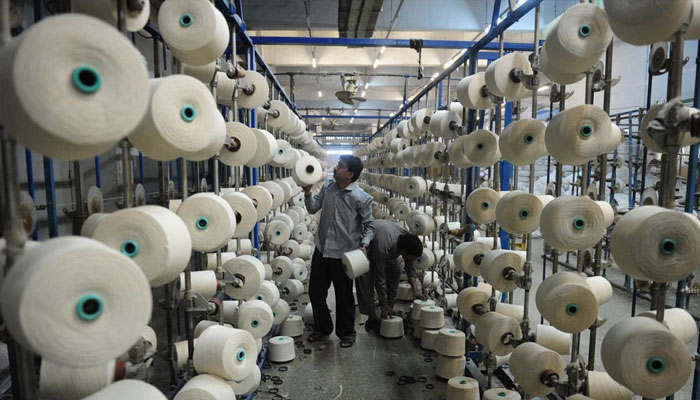
LAHORE: A truly competitive economy empowers its entrepreneurs to become export powerhouses, organically exceeding import levels. This achievement should occur without artificial crutches like export subsidies or protectionist measures against imports (tariffs and non-tariff barriers).
While protectionism might curb imports, it comes at a cost. Consumers end up paying a premium for domestically produced goods due to inflated prices set by protected industries factoring in the guaranteed market share. This shelter breeds inefficiency, hindering these industries’ ability to compete globally.
Subsidies, concessions, and grants are not the answer to long-term competitiveness. Instead, strong institutions and well-defined policies create a fertile ground for entrepreneurs and innovators to thrive.
True competitiveness flourishes when a level playing field is provided, granting equal opportunity for all citizens to create, innovate, and become efficient producers of goods and services.It is important to distinguish between productivity and competitiveness. While productivity can be boosted through subsidies, better technology, skilled human resources, and improved efficiency, competitiveness specifically relates to the health of an economy’s traded sector.
Traded industries are those that sell a significant portion of their output internationally. For example, a Pakistani software company exporting its services globally is a traded firm. Conversely, a local hardware store operating solely within Pakistan is a non-traded entity.
Looking regionally, China and India heavily subsidize cotton production (a key raw material for textiles) and directly support their exporters. Bangladesh enjoys duty-free access to developed economies and offers direct subsidies to its exporters. These practices, coupled with trade barriers, paint a picture of artificial competitiveness.
Pakistan’s textile sector, operating without government support, stands out in this scenario. Despite drawbacks like high power tariffs and bureaucratic hurdles that inflate costs, it demonstrates a level of organic competitiveness. However, these ‘hidden costs’ -- corruption, rent-seeking, and bureaucratic inefficiencies -- significantly hinder the sector’s true potential.
The government’s decision to remove subsidies from the textile industry is a commendable step towards fostering genuine competitiveness. The next crucial step is strengthening institutions. Measures like promoting transparency, merit-based appointments, and ensuring accountability can significantly reduce corruption and streamline processes. This, coupled with addressing the issue of high-power tariffs, can propel Pakistan's textile exports to new heights.
Achieving a trade surplus should not rely on artificial incentives for exporters or import restrictions. Building a truly competitive Pakistani economy requires a level playing field, strong institutions, and a focus on eliminating unnecessary burdens on businesses.







-
 Lana Del Rey Announces New Single Co-written With Husband Jeremy Dufrene
 -
 Ukraine-Russia Talks Heat Up As Zelenskyy Warns Of US Pressure Before Elections
 -
 Lil Nas X Spotted Buying Used Refrigerator After Backlash Over Nude Public Meltdown
 -
 Caleb McLaughlin Shares His Resume For This Major Role
 -
 King Charles Carries With ‘dignity’ As Andrew Lets Down
 -
 Brooklyn Beckham Covers Up More Tattoos Linked To His Family Amid Rift
 -
 Shamed Andrew Agreed To ‘go Quietly’ If King Protects Daughters
 -
 Candace Cameron Bure Says She’s Supporting Lori Loughlin After Separation From Mossimo Giannulli
 -
 Princess Beatrice, Eugenie Are ‘not Innocent’ In Epstein Drama
 -
 Reese Witherspoon Goes 'boss' Mode On 'Legally Blonde' Prequel
 -
 Chris Hemsworth And Elsa Pataky Open Up About Raising Their Three Children In Australia
 -
 Record Set Straight On King Charles’ Reason For Financially Supporting Andrew And Not Harry
 -
 Michael Douglas Breaks Silence On Jack Nicholson's Constant Teasing
 -
 How Prince Edward Was ‘bullied’ By Brother Andrew Mountbatten Windsor
 -
 'Kryptonite' Singer Brad Arnold Loses Battle With Cancer
 -
 Gabourey Sidibe Gets Candid About Balancing Motherhood And Career