
Health experts concerned over increased use of sugary, oily products during Ramazan
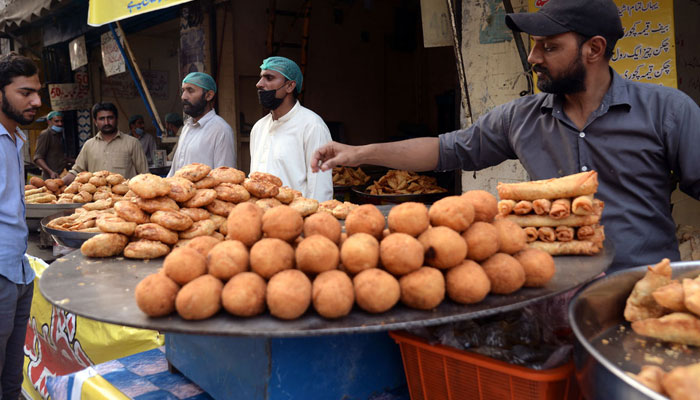
Islamabad: Health experts and nutritionists have expressed their concerns on excessive use of sugar and ghee/oils during Ramazan, which are linked to increased risk of obesity and chronic diseases. The evidence suggests that high consumption of sugar and trans-fatty acids present in banaspati ghee/oils are linked with increased risk of heart disease, diabetes, stroke, cancer and several other chronic diseases. As part of a broader effort to promote public health and well-being, public health advocates are calling on the government to prioritise subsidising healthier alternatives like lentils, fruits and vegetables.
Munawar Hussain, in-country coordinator for the Global Health Advocacy Incubator, emphasised the need for a shift in subsidy focus: "While ensuring food accessibility is crucial, we must be mindful of the impact of these subsidies on public health and the behaviour of the people on food consumption. Subsidising unhealthy food items may encourage public to continue consuming such foods without knowing the risks that they pose. The government has an opportunity to make a positive change by redirecting subsidies towards healthier food options that contribute to the well-being of the population."
Recognising the importance of this issue, Mukhtar Ahmad, Executive Director of the Centre for Peace and Development Initiatives, stated, "It is essential to strike a balance between affordability and health. By incentivising the consumption of nutritious foods, the government can play a pivotal role in improving the overall health outcomes of the nation." He further added, “Food subsidies must be linked with nutritional value and dietary risk factor assessment of edible commodities.”
Afshar Iqbal, Director of Communications and Advocacy at Pakistan Youth Change Advocates, added, "World Health Organisation in their obesity prevention framework recommend removing subsidies on all types of fats/oils and sugar. Redirecting subsidies towards items like lentils, fruits, vegetables and other nutritious options will align with the government's commitment to the well-being of its citizens and contribute to a healthier, more resilient society."
The call for a re-evaluation of subsidies aligns with global efforts to address the growing burden of non-communicable diseases linked to diet in general and the incidence of industrially produced trans-fats in particular. Public health advocates are hopeful that the government will consider these recommendations and prioritise the health of the nation in its subsidy allocations.




-
 Savannah Guthrie Sends Desperate Plea To Mom Nancy Kidnapper
 -
 NBA All-Star 2026 Shake-up: Inside The New USA Vs World Tournament Format
 -
 Warner Bros Consider Reopening Deal Talks With Paramount, Says Reports
 -
 Andrew Mountbatten Windsor Faces Future With UK MPs, Says Expert
 -
 Shamed Andrew Told 'nobody Is Above The Law' Amid Harrowing Silence
 -
 Gisele Bundchen Melts Hearts With Sweet Bike Ride Glimpse Featuring Son
 -
 Prince William Found Meghan Markle ‘quite Refreshing’ At Start
 -
 Kate Middleton Knew Should Could Not Be ‘voice Of Reason’ With Prince Harry
 -
 Rihanna Has Wardrobe Malfunction At A$AP Rocky Fashion Show
 -
 Prince Harry Felt System Had ‘one Rule For Him, One For Prince William’
 -
 Jake Paul's Fiancée Sends Him Over The Moon Over Stunning Victory
 -
 Harper Beckham Sends Valentine’s Love Amid Brooklyn Family Drama
 -
 Why Prince William, Kate Middleton 'partnership' Is Important For Monarchy
 -
 Katie Price Drama Escalates As Family Stays In Touch With Ex JJ Slater
 -
 Critics Target Palace Narrative After Andrew's Controversy Refuses To Die
 -
 Sarah Ferguson’s Delusions Take A Turn For The Worse: ‘She’s Been Deserted’