
Pakistan’s power consumption expected to ‘fall’ in 2024
Power demand in Pakistan plunged last year by nearly a sixth and a decline in 2024 would mark the first time in 16 years
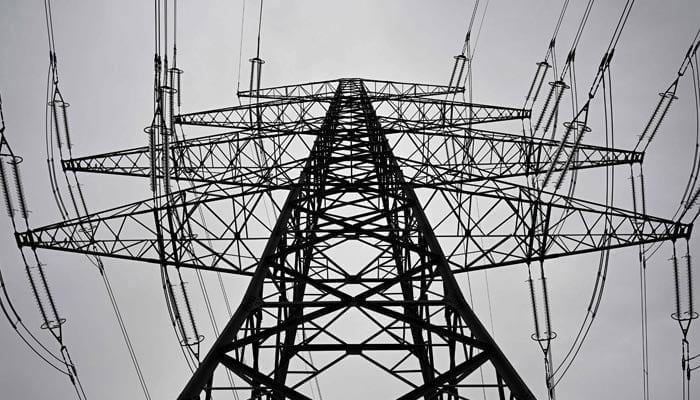
ISLAMABAD: Power consumption in the country is expected to fall again this year due to higher tariffs and tepid industrial activity, a top official of the largest power utility told Reuters.
Power demand in Pakistan plunged last year by nearly a sixth and a decline in 2024 would mark the first time in 16 years that annual electricity use has fallen consecutively, data from energy think tank Ember showed.
“There is demand destruction on the industry side because the industry unfortunately is not growing,” Hubco Chief Financial Officer Muhammad Saqib told Reuters on the sidelines of the Energy Summit 2024 conference in Karachi.
Power consumption is a significant economic indicator in the developing economy and the expected decline this year underscores challenges facing the newly elected government in debt-laden Pakistan, amid growing discontent among the poor.
“Because of the significant increases in consumer tariffs, people obviously save on fuel trying to conserve energy,” Saqib said.
Poor and middle-class households are still feeling the impact of the International Monetary Fund’s bailout of Pakistan last year, which contributed to rising retail prices including fuel and electricity charges.
Power cuts are also frequent in Pakistan, especially in far flung rural areas, due to grid issues, delays in importing fuel and hard currency shortages, though the frequency of such outages have reduced in the recent months.
Saqib said he expects a failure to carry out long-pending upgrades to Pakistan’s electricity grid would continue to contribute to inefficient power supply patterns, including the use of expensive and more polluting furnace oil despite availability of cheaper alternatives such as natural gas.
“There is no reason to use any furnace oil because Pakistan has ample capacity of imported LNG (liquefied natural gas). But because of grid constraints, we have to use furnace oil this summer also,” he said.
Pakistan has been trying to cut down on using furnace oil for power generation and boost natural gas-fired electricity production. Saqib said grid constraints will also likely curb coal-fired power generation and hence coal imports.
Hubco’s own power plants would require 3.5 million metric tons of imported coal a year if power plants run at full capacity, but the company does not foresee imports exceeding 750,000 tons this year, he said.
“There is not enough capacity in the transmission lines to actually use those imported coal plants, although they’re at times cheaper than LNG-fired power.” Saqib said.







-
 Snow Forecast Warns Of Reduced Visibility And Travel Risks In Ontario
 -
 Margot Robbie Reveals 'worst' Gift She Received From Co-star
 -
 Casey Wasserman Says He ‘deeply Regrets’ Ghislaine Maxwell Emails After DOJ File Release
 -
 Discord Face Scan Age Verification Rules Explained As Platform Tightens Access
 -
 Cavaliers Vs Nuggets Showdown Heats Up After Blockbuster Trade
 -
 Where Kelsea Ballerini, Chase Stokes Stand After Second Breakup
 -
 Thunder Vs Lakers: LeBron James Playing As Lakers Miss Luka Dončić
 -
 Pistons Vs Hornets Recap: Brawl Erupts With 4 Players Getting Tossed Before Detroit Victory
 -
 Gordie Howe Bridge Faces Uncertainty After Trump Warning To Canada
 -
 Air Canada’s Flights To Cuba Halted As As Aviation Fuel Crisis Worsens
 -
 Marc Anthony Weighs In On Beckham Family Rift
 -
 New Guest Host Announced For The Kelly Clarkson Show
 -
 Why Prince William’s Statement Over Jeffrey Epstein ‘says A Lot’
 -
 Paul McCrane Reveals Why Playing Jerks Became His Calling Card
 -
 Prince William, Kate Middleton Thrashed For Their ‘bland’ Epstein Statement
 -
 Bad Bunny Stunned Jennifer Grey So Much She Named Dog After Him