Discord face scan age verification rules explained as platform tightens access
Discord announced that accounts will automatically be placed into a “teen-appropriate” experience
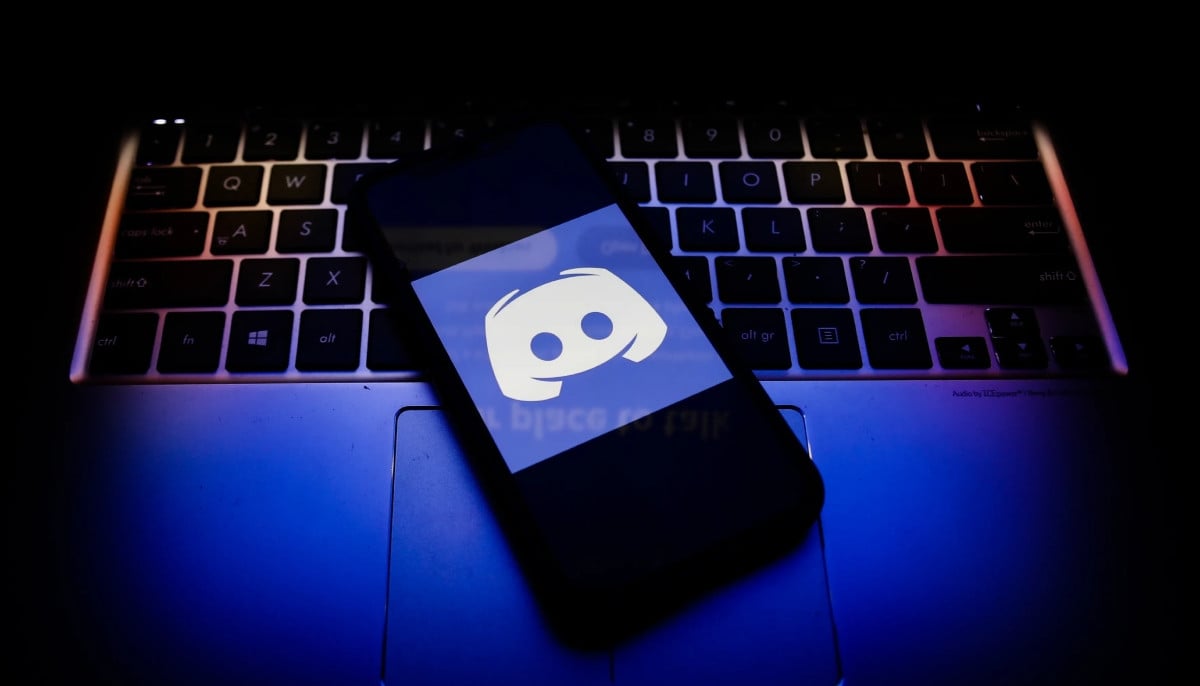
Discord’s face scan age verification system is set to launch globally next month as the platform introduces stricter age checks and new safety settings for millions of users.
Discord announced that accounts will automatically be placed into a “teen-appropriate” experience unless users can confirm they are adults.
The move is part of a broader effort to improve online safety and limit access to age-restricted spaces.
Savannah Badalich, Discord’s global head of product policy, told The Verge: “For most adults, age verification won’t be required, as Discord’s age inference model uses account information such as account tenure, device and activity data, and aggregated, high-level patterns across Discord communities. Discord does not use private messages or any message content in this process.”
Under the new system, users who are not verified as adults will face several restrictions.
They will be blocked from entering age-restricted servers and channels and will not be able to speak in livestream-style “stage” channels.
Additional content filters will also hide material flagged as graphic or sensitive.
Discord says the changes will also add new safety features, including warning prompts for friend requests from unfamiliar users and automatic filtering of direct messages into a separate inbox.
The update marks one of the platform’s biggest policy shifts in recent years as social media companies face growing pressure to protect younger audiences online.


-
 South Africa footballer Jayden Adams dies at 25 days after grandmother's death
 -
 Sylvester Stallone reacts to Piers Morgan's birthday tribute
 -
 Kate Middleton sends personal message after British duo win Wimbledon Doubles title
 -
 Kensington Palace shares exciting news about Kate Middleton amid Meghan Markle's UK trip
-
 Elon Musk responds to Apple lawsuit against OpenAI
 -
 Can you break ChatGPT? OpenAI offers up to $50,000 for universal jailbreaks
 -
 Musk's 2024 Apple-OpenAI warning resurfaces after lawsuit
 -
 Study finds 281 Android VPN apps leak user data
 -
 Apple sues OpenAI over alleged trade secret theft
 -
 Apple takes OpenAI to court over alleged hardware trade secret theft
 -
 Meta scraps AI image feature after privacy backlash
 -
 Meta AI detector fails to spot its own cropped images