
Rawalpindi’s poor class remains helpless
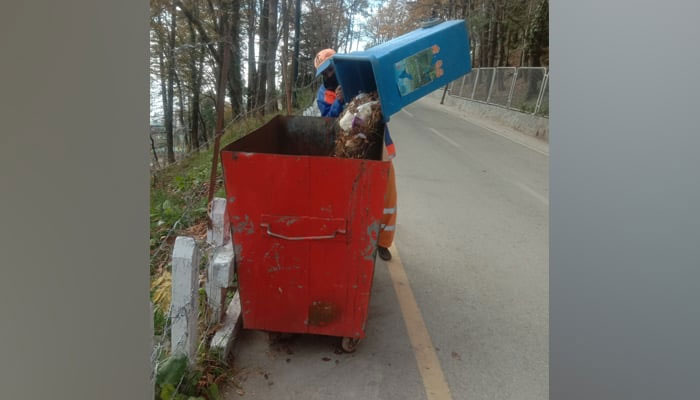
Waste collectors are common across city streets. They pick up materials of resale value such as paper, glass, metal, and plastic from street corners, grocery shops, and the designated dumping sites in the city until noon. Then they get back to their houses, where the family members segregate the collected waste and sell it to the scrap dealer.
“Our lives have become more difficult. The income from waste and scrap collection is not good enough. The entire situation has made our families poorer and more vulnerable. I don’t know when the situation is going to improve for us,” says Gul Khan.
“Many of our families live in peripheral areas, all of which are on the outskirts of the city. Most of the time, our occupation is market-dependent and brings low and erratic income. These days, this meagre source of income is affected too, leaving us fully unemployed,” adds Gul Khan.
“Because if economic turndown, the availability of resale value material is nominal; the associated market crashed; resulting in the reduction of prices by almost 50% irrespective of the quality of the material,” says Reham Khan.
“We are unable to commute to far-off places to collect resale value material due to limited transportation facilities. Although the public transport is plying at full strength, they do not allow us to travel with our load of material,” says Ajab Khan. “How much scrap could we collect from nearby localities? A few with two-wheelers could still afford to go to other corners of the city in search of resale value material,” adds Atal Khan, the brother of Ajab Khan.
“We represent the population of migrants who have shifted to Rawalpindi from northern areas and have been into waste picking for more than a decade. We earned about Rs500 per day during our initial days of rag picking and our earnings later on reached Rs1000 per day but the existing economic miseries almost weakened our source of income,” say Asfandyar and Azlan, the cousins.
“In the course of our day-to-day collection activity, in the absence of any protective gear such as masks, gloves, and shoes while handling the harmful waste we are at times exposed to chemicals, resulting in itching, burns, injury and in the long term, damage to internal and external organs,” says Babak Khan.
Babak adds, “Some have been affected by tuberculosis, cancer while others have fallen prey to substance abuse such as drugs, smoking, chewing tobacco and alcoholism. Compounding our misery is the discrimination we face because of our occupation, which speaks volumes about how the community perceives us as being inferior. Our important role in the cleanliness of the environment remains unrecognized. The problems faced by us are multifaceted and require urgent attention. It is essential to recog-nize our contribution to society and improve our working conditions.”







-
 Czech Republic Supports Social Media Ban For Under-15
 -
 Prince William Ready To End 'shielding' Of ‘disgraced’ Andrew Amid Epstein Scandal
 -
 Chris Hemsworth Hailed By Halle Berry For Sweet Gesture
 -
 Blac Chyna Reveals Her New Approach To Love, Healing After Recent Heartbreak
 -
 Royal Family's Approach To Deal With Andrew Finally Revealed
 -
 Super Bowl Weekend Deals Blow To 'Melania' Documentary's Box Office
 -
 Meghan Markle Shares Glitzy Clips From Fifteen Percent Pledge Gala
 -
 Melissa Jon Hart Explains Rare Reason Behind Not Revisting Old Roles
 -
 Meghan Markle Eyeing On ‘Queen’ As Ultimate Goal
 -
 Japan Elects Takaichi As First Woman Prime Minister After Sweeping Vote
 -
 Kate Middleton Insists She Would Never Undermine Queen Camilla
 -
 King Charles 'terrified' Andrew's Scandal Will End His Reign
 -
 Winter Olympics 2026: Lindsey Vonn’s Olympic Comeback Ends In Devastating Downhill Crash
 -
 Adrien Brody Opens Up About His Football Fandom Amid '2026 Super Bowl'
 -
 Barbra Streisand's Obsession With Cloning Revealed
 -
 What Did Olivia Colman Tell Her Husband About Her Gender?