
In South America, African-inspired religions gain more followers
MONTEVIDEO: Thousands of devotees of different African-based religions on Friday flocked to the waterfront of the Uruguayan capital, part of an annual Feb. 2 offering to the Yoruba goddess of fertility and prosperity, Yemanjá.
“Water represents a return to freedom, to native Africa,” said Mother Susana Andrade, known as “Mae Susana de Oxum”, the president of the Afro-Umbandista Federation of Uruguay. “It was a way to escape the horrors of slavery and humanize the natural world.”
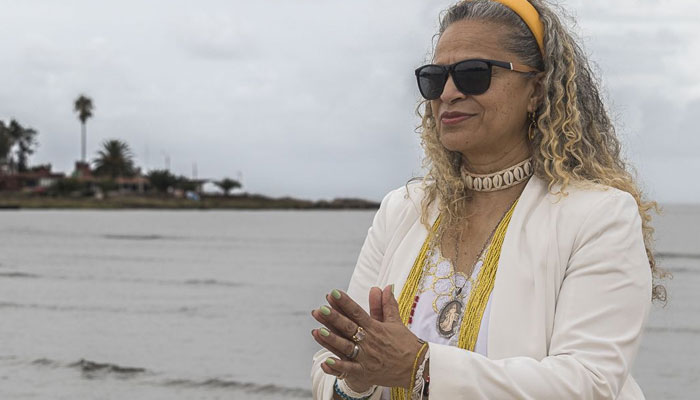
Followers of African-based religions are on the rise in South America new data shows, a reflection of how the region’s African heritage is gaining a greater voice beyond Brazil where such traditions are widely recognized. Surveys on religious beliefs in Argentina and Uruguay point to a rising number of people who identify with African-inspired faiths. Sasha Curti, who was brought up in a predominantly Catholic Uruguayan family had come down to Ramirez beach in Montevideo with members of her Umbanda temple to give thanks to Yemanjá.
“We are no longer hidden,” said Curti, who works as a hair stylist specializing in afro hair, a change she attributed to greater education about their history. “There is still a lot of discrimination and work that needs to be done.”
Along Ramirez beach, groups were digging shallow altars in the sand, laying candles, watermelons and corn as offerings to Yemanjá often called the sea queen to ask for good fortune.
Umbanda, like its sister Afro-Brazilian religion Candomblé, was first popularized in northeastern Brazil and has its roots in the transatlantic slave trade. Worshipers blended native Yoruba beliefs from Africa with elements of Catholicism and local Indigenous traditions creating syncretic religions so that they would go undetected by Europeans, according to researchers.







-
 Elon Musk Says 'X Money' Will Have Public Access From April 2026
 -
 Candice Bergen Shares Her Honest Thoughts On Turning 80
 -
 Princess Eugenie 'finally Did The Right Thing' Amid Andrew Crisis
 -
 Queen Camilla Ditches Queen Elizabeth's Strictest Rule
 -
 Lauren Sanchez Recalls Tearful Moment At Wedding To Jeff Bezos
 -
 Travis Kelce Reveals Taylor Swift's Role In His NFL Comeback
 -
 Jennifer Lopez Reveals Why She's Entering Her 'happy Era'
 -
 Queen Camilla Sends Strong Message Amid Andrew-Epstein Controversy
 -
 Prince William Felt Insulted On Commonwealth Day, Lips Reader Reveals
 -
 Miley Cyrus Slips Back Into Hannah Montana's Wig For Emotional Reunion
 -
 Royals Triggered ‘maximum Attention’ With Commonwealth Day Yellow Banners
 -
 Princess Beatrice, Eugenie Are Panicking: ‘They Realize Saying No To William Has Been A Grave Mistake’
 -
 Canada Extends Security At US Diplomatic Buildings After Shots Fired At Consulate
 -
 Ryan Coogler Explains Why He Had To Travel Far Away To Capture The Essence Of 'Creed'
 -
 Alzheimer Cases Are Alarmingly Rising In America: Here's Why
 -
 Miley Cyrus’ Sister Makes Her Hilarious Demands Clear Ahead Of Her Wedding: ‘I Better Be!’