Morocco's Gnawa music listed to UNESCO's Intangible Cultural Heritage of Humanity
Gnawa musical culture has been added to UNESCO´s list of Intangible Cultural Heritage of Humanity.
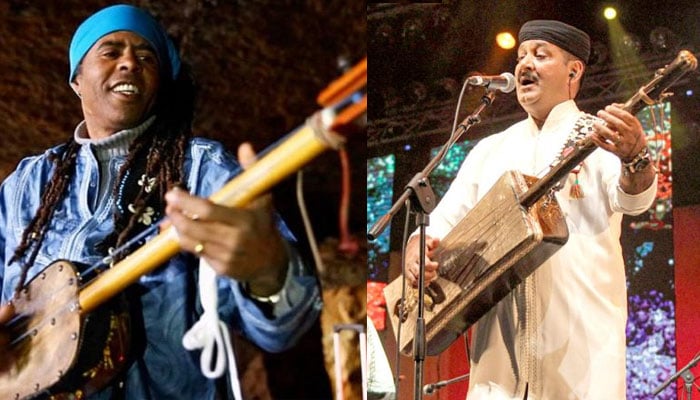
RABAT: UNESCO on Thursday added Gnawa culture - a centuries-old Moroccan practice rooted in music and Sufi traditions, to its list of Intangible Cultural Heritage of Humanity.
Gnawa musicians often play the guenbri, a type of lute with three strings, accompanied by steel castanets called krakebs.
According to the nomination, Gnawa refers to a "set of musical productions, fraternal practices and therapeutic rituals where the secular mixes with the sacred."
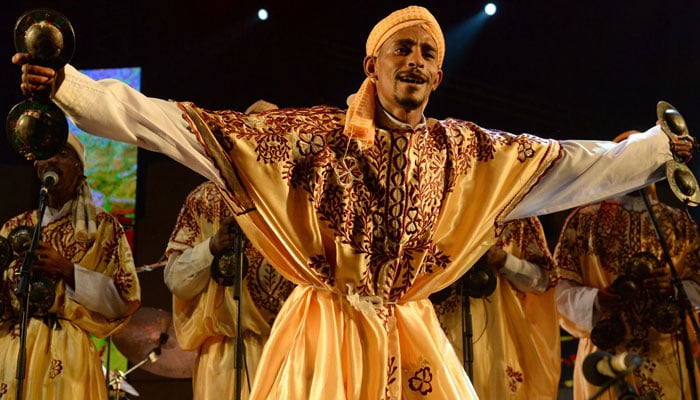
They practice "a therapeutic ritual of possession... which takes the form of all-night ceremonies of rhythms and trance combining ancestral African practices, Arab-Muslim influences and native Berber cultural performances," it added.
"Originally practised and transmitted by groups and individuals from slavery and the slave trade", today it is one of the many facets of Moroccan culture and identity.
Pat Metheny, Didier Lockwood and Marcus Miller are known as the most famous masters of Gnawa music, fusing the genre with other styles such as blues and jazz.
Gnawa groups organise festivals year-round, which enable the younger generation to have knowledge of both the lyrics and musical instruments as well as practices and rituals linked to their culture.


-
 Mel B reveals why Spice Girls documentary may never happen
 -
 Maggie Gyllenhaal recalls emotional impact of seeing husband with other woman
 -
 Scarlett Johansson shares wild first concert story
 -
 Tiger Woods' situation deemed 'too far down the line' after DUI crash
 -
 Dolly Parton's rare approach to battle grief following tragic loss of late husband laid bare
 -
 Khloe Kardashian gets candid about weight loss struggles
 -
 Jon Hamm weighs in on ‘dark’ modern dating culture: 'I was never really good at dating anyway'
 -
 Miley Cyrus receives heartfelt praise from 'Love on the Spectrum's Logan Pereira