
Electronic voting machines: Bill dispenses with ECP’s role of holding elections
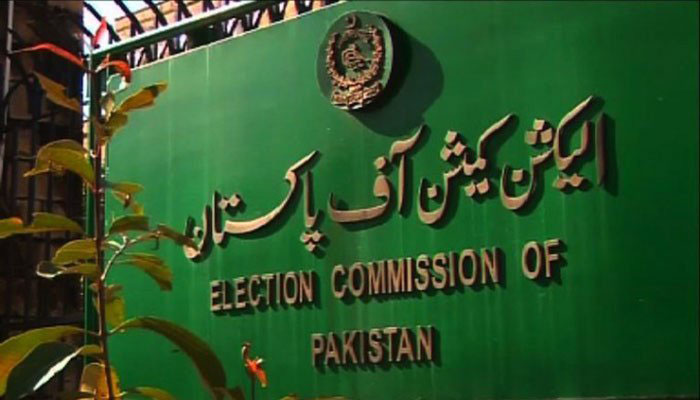
ISLAMABAD: While the government has just given a demonstration of the operation of electronic voting machines (EVMs) to the Election Commission of Pakistan (ECP) to try and convince it to accept the equipment, the National Assembly panel will on August 26 consider a bill, sponsored by a Pakistan Tehreek-e-Insaf (PTI) member, providing for elections by direct recording electronic (DRE) voting machines.
There is, however, a glaring flaw in the bill: It seeks that the government appoint persons to access the DRE machines and collect all the polled votes to announce the results even though holding elections in a fair, free and transparent manner is the fundamental constitutional responsibility and function of the Election Commission of Pakistan (ECP). The ECP’s duties can’t be taken away by any authority and accorded to any other organization.
Additionally, no voting machine can be used without the express approval of the ECP, which is the exclusive authority to authorize its use. With this point in view, the government has tried to demonstrate the efficacy of the EVMs to the ECP. Unless the ECP is completely satisfied with their operation, the EVMs can’t be put to use. Earlier, the ECP had rejected the official proposal for the use of EVMs.
The proposed bill says polls will be conducted by DRE machines, which will be procured as intended by way of legal procedures by the ministry of technology and telecommunication. These machines will be linked with the National Database & Registration Authority (Nadra).
The private member’s bill, moved by Aslam Khan elected from Karachi, says Nadra will be responsible for providing all the data of citizens to the information technology and telecommunication ministry.
The DRE machines will be set up in all the branches of the National Bank of Pakistan and Habib Bank Limited, which will be responsible for entertaining the voters for vote casting. According to the bill, these branches will remain open during the hours fixed for voting on election days. There will be a commission consisting of five people in every district to reach out to disabled people for their vote casting and to the rural areas where the facilities of these banks are not established.
The bill says each commission will be provided one DRE voting machine accompanied by all the required appliances for its operation. There will be another commission consisting of a number of people required for serving the purpose which will control the DRE voting machines online. After the conclusion of polling, the authorized persons appointed by the government for conducting the process of elections will access the voting machines and will collect all the votes to announce the results accordingly.
The statement of objects and reasons of the bill says the electronic voting technology will speed up the counting of ballots and reduce the cost of paying the staff to count votes manually. In the long term, expenses are expected to decrease and results can be reported and published faster. Voters will save time and costs by being able to cast their ballots from their location independently. This may increase the overall voter turnout. The citizens’ groups benefiting the most from electronic elections are those living abroad, people in rural areas far away from polling stations and the disabled with mobility impairments. Electronic voting will improve Pakistan’s image and serve as its promotion, the bill expects.







-
 Prince William Should Focus On 'family Business' After Andrew Blunder
 -
 Katherine Schwarzenegger Pratt 'brought To Tears' By Sister-in-law's Gesture
 -
 Prince William Makes Bold Claim About Britain's Creative Industry At BAFTA
 -
 Andrew Mountbatten Windsor Insulting 'catchphrase' That Degarded Staff
 -
 Kate Middleton, Princess Beatrice 'undercurrent Tension' Comes To Surface
 -
 'Grey's Anatomy' Alum Katherine Heigl Reveals Why She Stayed Silent After Eric Dane Loss
 -
 Host Alan Cumming Thanks BAFTAs Audience For Understanding After Tourette’s Interruption From Activist
 -
 Jennifer Garner Reveals Why Reunion With Judy Greer Makes Fans 'lose Their Minds'
 -
 Chris Hemsworth Makes Shocking Confession About His Kids' Reaction To His Fame
 -
 Wiz Khalifa Reveals Unconventional Birthday Punch Tradition With Teenage Son In New Video
 -
 BAFTAs 2026: Kerry Washington Makes Debut In Custom Prada Gown
 -
 Jennifer Lopez Gets Emotional As Twins Max And Emme Turn 18
 -
 Andrew Mountbatten Windsor Blunders Are Result Of 'conspiracy Of Silence'
 -
 Keith Urban Fires Entire Management Team After Divorcing Nicole Kidman
 -
 Kylie Jenner Marks Death Anniversary Of Hairstylist Jesus Guerrero With '222' Tribute
 -
 Daniel Radcliffe On How It's Like Seeing New Harry Potter Cast Years Later