
Rawalpindi waste collectors worried about earnings
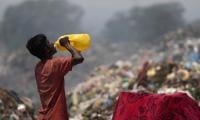
Waste collectors daily across the city streets pick up the material of resale value such as paper, glass, metal and plastic from street corners, grocery shops, and the designated dumping sites in the city until noon. Then they get back to their houses, where the family members segregate the collected waste and sell to the scrap dealer.
“Coronavirus pandemic made our lives more difficult. The chances of income from waste and scrap collection became bleak. The entire situation only made our families poorer and more vulnerable. I don’t know what the next wave of Coronavirus Pandemic is going to do with us,” says Gul Khan.
“Many of us live on the outskirts of the city. Even in regular times, our occupation is market-dependent and brings low and erratic income. During the fourth wave of the Coronavirus Pandemic, this meagre source of income is affected too, leaving us fully upset,” adds Gul Khan.
“During lockdown days, the availability of resale value material was nominal; the market crashed; resulting in the reduction of prices irrespective of the quality of the material,” recounts Rehm Khan.
Ajab Khan says, “We were unable to commute to far-off places to collect resale value material due to limited transportation facilities. The public transport was not plying at full strength then, and even when they did, they did not allow us to travel with our load of material.”
“How much scrap could we collect from nearby localities? A few with two-wheelers could still afford to go to other corners of the city in search of resale value material,” adds Atal Khan, the brother of Ajab Khan.
Asfandyar and Azlan are cousins and represent the population of migrants who have shifted to Rawalpindi from northern areas and been into waste picking for more than a decade. They say, “We earned about Rs500 per day during our initial days of rag picking and our earning, later on, reached Rs1000 per day but coronavirus pandemic almost finished our source of income.”
Babak Khan tells of the several health-related issues they face: “In the course of our day-to-day collection activity, in the absence of any protective gear such as masks, gloves, and shoes while handling the harmful waste we are at times exposed to chemicals, resulting in itching, burns, injury and in the long term, damage to internal and external organs.”
“Some of our friends have been affected by tuberculosis, cancer while others have fallen prey to substance abuse such as drugs, smoking, chewing tobacco, and alcoholism. Compounding their misery is the discrimination they face because of their occupation, which speaks volumes about how the community perceives them as being inferior. Our important role in the waste management system and cleanliness of environment remains unrecognized,” adds Babak.






-
 UN Issues Global Climate Warning: Earth In Critical Energy Imbalance, El Nino Threat Grows
 -
 Worldwide Caution Advisory Issued For Americans Overseas As Tensions Rise In Iran War
 -
 Microsoft Windows 11 Emergency Update Fixes Connectivity Bug Affecting Office, Teams, OneDrive
 -
 Steven Spielberg Shares Working Experience With Tom Cruise
 -
 Laguardia Airport Delays Worsen As TSA Lines Grow And Shutdown Leaves Workers Unpaid
 -
 Air Canada Plane Collides With Ground Vehicle At LaGuardia Airport
 -
 Canada Immigration: New Funding Targets Francophone Immigration Amid Workforce Shortages
 -
 Gold Price Drops Sharply Despite Global Tensions, Marking Biggest Weekly Fall Since 1983
 -
 Kylie Jenner, Timothée Chalamet Plan To Take Their Relationship To Next Level: Report
 -
 'Supernatural' Actress Carrie Anne Fleming's Cause Of Death Revealed
 -
 Why Jessica Biel Wants To 'move Past' Justin Timberlake Arrest Drama?
 -
 Jude Law's Ex Opens Up As Chappell Roan Denies Involvement
 -
 Sarah Ferguson Breaks Silence On Claim About Cloning Queen Elizabeth's Corgis
 -
 Doja Cat's Family Drama Deepens As Father Speaks Out
 -
 Khloe Kardashian Reveals Lamar Odom Divorce Was 'catalyst' For Major Life Change
 -
 Michael B Jordan Celebrates Oscar Win With Unexpected Burger Run