
PM Imran Khan tasks Ejaz Gohar with reviving cotton sector
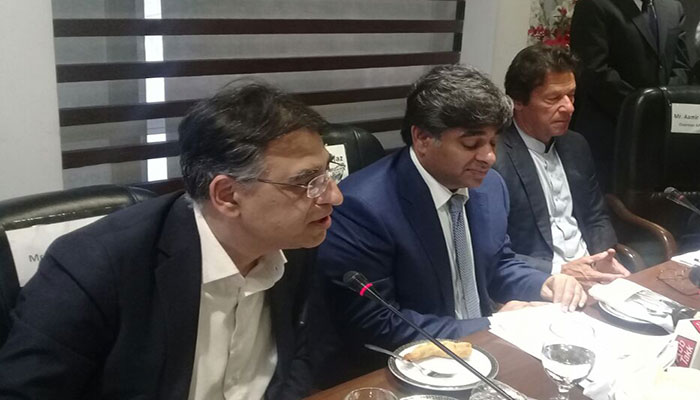
ISLAMABAD: Keeping in view of $36 billion loss to the country due to low cotton production in 10 years, Prime Minister Imran Khan has tasked Gohar Ejaz, Patron-in-Chief of All Pakistan Textile Mills Association (APTMA), with launching efforts for reviving cotton production.
Gohar Ejaz has accepted a lead role in efforts to revive this essential crop. Earlier, he had played a key role in enhancing cotton production in 2003 with the then minister Razzak Dawood.
Their efforts led to all-time high production of 14.2 million bales which unfortunately this year is expected to record a 21-year low of 7.5 million bales. When contacted, Ejaz said once considered the lifeline of Pakistan, cotton didn't receive its due share in the past decade, landing the cotton sector in a severe crisis. "Pakistan’s textile industry thrives on cotton production which has declined from 15 million bales, causing losses of almost $36 billion in over the last decade," he added.
Decline in cotton production has sent shock waves to various industries, especially textile, across Pakistan and the country is losing $2 billion directly and at least $8 billion per annum. Ejaz said the increase in cotton production would have a direct impact of $1 billion per 1 million bales and a 7-time multiplier impact on the fiscal inflows.
The country had imported cotton valued at $9 billion over one-decade, lost lint production worth $8.3 billion over the last 6 years, and other contributors owing to loss in seed, oil etc. Astonishingly, these losses are only 35 per cent of the cotton production value chain.
The cost of the textile sector from importing cotton has increased by over 6 per cent, making our products uncompetitive in the international markets, and losing our regional comparative advantage over competitors.
Cotton requires focused attention to reverse these huge losses. APTMA has already committed to doubling Pakistan’s textile exports in the next four four years. This requires domestically available, competitively priced, good quality and contamination free cotton.
Ejaz said the cotton area and production decreased due to low productivity, leading to low profitability. He said the cotton was the raw material for 400 textile mills in Pakistan, which earned 60 per cent foreign earnings and contributed 8.5 per cent to GDP accounts for 70 per cent of cost, and any volatility in price or quantity of cotton had significant impact on production and the farmers’ revenue. Cotton contributed 0.8 per cent to GDP and 4.1 per cent of total value addition to agriculture, he added.







-
 AOC Blasts Jake Paul Over Bad Bunny Slight: 'He Makes You Look Small'
 -
 At Least 53 Dead After Migrant Boat Capsizes Off Libya
 -
 'God Of War' Announces Casting Major Key Role In Prime Video Show
 -
 Real Reason Prince William, Kate Broke Silence On Andrew Scandal Revealed
 -
 Drew Barrymore Responds To 'Charlie's Angels' Costar's Comments About Her
 -
 Shakira Slips Hard On Stage During Life Show
 -
 King Charles Speaks Out Over Andrew's Scandal: 'Stand Ready To Help Police'
 -
 Dax Shepard Recalls Horrifying Accident That Almost Killed Him
 -
 Logan Paul's Bodyguard Hits Fan On Super Bowl Day
 -
 Epstein Files: Anne Hathaway Mentioned As Highly Desired Guest For Bill Gates?
 -
 Prince Harry Under A Lot Of Stress As Meghan Markle Makes Bizarre Demands
 -
 Princess Beatrice, Eugenie's Subtle Break From Disgraced Parents Exposed
 -
 Baby Left In Running Bathtub Dies After Father ‘forgets’ Him
 -
 King Charles Takes A Major Step To Keep Horrified Prince William Out Of The Loop On Andrew: Insider
 -
 Taylor Swift Set To Make Biggest Cut From Her Wedding Guest: Blake Lively Or Ryan Reynolds
 -
 Prince William Meets Saudi Crown Prince Mohammed Bin Salman