
Sindh cabinet discards punitive prison law, approves reformatory act
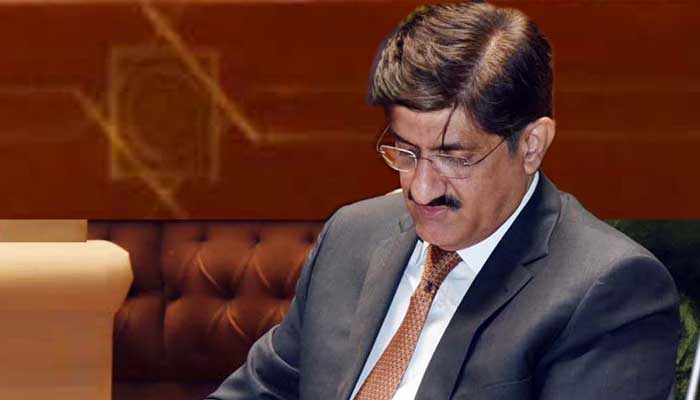
KARACHI: The Sindh cabinet on Monday discarded over 100 year old punitive Prison Act of 1894 and approved the Sindh Prison and Correction Act-2019 as well as gave approval to the establishment of the Sindh Evacuee Trust Property Board for management and disposal of the properties evacuated by the Hindu and the Sikh migrants.
The meeting was held under the chairmanship of Sindh Chief Minister Syed Murad Ali Shah at the New Sindh Secretariat and was attended by all provincial ministers, advisors, special assistants, chief secretary and other relevant secretaries. Speaking on the new prisons' legislation, the chief minister said, prisons contribute to the maintenance and protection of a just peaceful and safe society by enforcing sentences given by the courts while ensuring their fundamental rights and reintegration into the society through reformation programmes. “Therefore, we have to make our Act and rules accordingly,” he said.
Briefing the cabinet about the issues in the previous Prisons Acts of 1894, the Secretary Home Kazi Kabir said it was primarily punitive in nature and it lacked reformation and management besides lacking focus on development of the prison human resources. The cabinet discussed and approved the draft and also formed a committee under the Minister Prison Syed Nasir Shah, Minister Energy Imtiaz Shaikh and Advisor Law to review it and send it to the assembly within seven days.
The Minister for Minorities Affairs Hari Ram Kishori told the cabinet that the Evacuee Trust Property thus became a provincial subject after the concurrent legislative list was omitted by the 18th Amend. A draft law Sindh Evacuee Trust Property Board and Enactment of Sindh Evacuee Trust Properties (Management & Disposal) Act was introduced to manage the Evacuee Trust Properties by the provincial government. The cabinet approved the draft law and formed a committee to review the draft law and refer to the assembly.
The cabinet also approved the amendment in Section-26 of the Sindh Local Government Act-2013 regarding resignation of the office bearers to the Administrative Department instead of the council which was largely found reluctant to process the resignations. Now the office bearers and the members would send their resignation to the Administrative Department of the local government instead of the council.
The chief minister directed the secretary University and board to resolve the registration issue of the Khairpur Medical College with the PMDC within the next 15 days and report to him. He also directed the secretary to put him up a summary for the resolution of other issues of the college as well. The chief minister directed the chief secretary to ensure framing of rules of all the draft acts approved by the cabinet within the next 15 days.







-
 Inside Gabrielle Union's Father's Death Following Dementia: In Her Own Words
 -
 Genes May Matter More Than Thought In Human Lifespan, Study Finds
 -
 Brad Pitt Delivers Savage Blow To Ex-wife Angelina Jolie Amid Legal Battle: 'It Bugs Her'
 -
 Elon Musk Highlights Neuralink’s Potential For Restoring Vision And Hearing
 -
 Peter Phillips, Harriet Sperling Join Royal Family After Announcing Their Wedding Date
 -
 Edo Issues Ultimate Demand And Sparks ‘resentment’ In Princess Beatrice: Here's What's Happened
 -
 Here's When Poker Tactics Secured Microsoft’s DeepMind Deal
 -
 Trump’s Plan For A Massive Voter Database Sparks Intensifying Debate Among Election Officials
 -
 King Charles Sends ‘mixed Signals’: ‘Don’t Make Beatrice And Eugenie’s Think They’re ‘no Consequences’
 -
 Astronomers Discover Myriad Of Stellar Streams At The Periphery Of Milky Way
 -
 NASA Artemis II Astronauts Fix Toilet Glitch Again Midway To Moon
 -
 Scientists Uncover 72 Million Years Old Dinosaur Eggs And Remnants Of Titanosaurs
 -
 Prince William, Kate Middleton Lead Biggest Gathering Of Royals Since Arrest Of Andrew
 -
 Brooklyn Beckham Looks 'tense' On Long Phone Call Amid Ongoing Family Rift: See Pics
 -
 Prince Harry, Meghan Markle Leave US Ahead Of King Charles State Visit
 -
 Kanye West Makes London’s Wireless Festival Lose Out On A Big Sponsorship: Report