
Parties blame each other before judicial commission
IslamabadAll the political parties that have submitted evidences in the Judicial Commission have pointed fingers at each other and there is no trend of overwhelming complaints against any single party which can establish a systematic rigging.The trend of alleging someone of rigging has varied from party to party as a
By Usman Manzoor
April 24, 2015
Islamabad
All the political parties that have submitted evidences in the Judicial Commission have pointed fingers at each other and there is no trend of overwhelming complaints against any single party which can establish a systematic rigging.
The trend of alleging someone of rigging has varied from party to party as a few political parties have only challenged election results of Karachi alone while a few restricted them to challenging the results in a few constituencies. The Pakistan Tehreek-e-Insaf (PTI) has only challenged results of five percent constituencies while it accuses the Pakistan Muslim League-Nawaz (PML-N) of hijacking its mandate from all the constituencies. With the evidences produced before the judicial commission, no one has yet been able to provide any substantial material regarding systematic manipulation of the mandate. General elections were held on 849 national and provincial assembly seats on 11 May, 2013, of which results of 44 (maximum) constituencies have been disputed by PTI of which 29 are of National Assembly seats, 10 of Punjab Assembly while two, one and two of Sindh, Khyber Pakhtunkhwa and Balochistan assemblies respectively. The main target of the PTI has been the ruling PML-N. The Awami National Party (ANP) has requested the judicial commission to join the inquiry. One of the leaders of ANP told The News that the judicial commission should start scrutinising the election results from NA-1 i.e. from Khyber Pakhtunkhwa, where PTI has won the election on majority of the seats.
The Pakistan People’s Party (PPP) has disputed the results of only 10 constituencies (eight National Assembly and one each of Punjab and Sindh assemblies) but the PPP’s target has been the winning candidate and not a specific party though majority of the winning candidates against whom the PPP has moved the judicial commission are from the ruling PML-N. The Jamaat-e-Islami (JI) has generally questioned the election process in Karachi while specifically mentioning nine constituencies, four from National Assembly and five from Sindh Assembly. The JI has accused the Muttahida Qaumi Movement (MQM) of rigging.
Similarly, the Mohajir Qaumi Movement has also questioned election results of Karachi (11 National Assembly seats and 16 provincial assembly seats). It also has accused the MQM of rigging the elections in specific constituencies. The People’s Muslim League has disputed the election results of one National Assembly seat and one provincial assembly seat only against the PPP.
The PTI filed as many as 61 petitions with the election tribunals. Of them, 31 candidates called into question national seats; 25 Punjab Assembly seats, three Sindh Assembly seats and one seat each of Khyber Pakhtunkhwa and Balochistan assemblies. Thus the PTI only disputed seven percent results from 849 constituencies before the election tribunals. Of these 61 petitions, only 12 are pending before the election tribunals. Seven petitions of the PTI candidates are against winning candidates in the National Assembly and five against winners in the Punjab Assembly. Of the total 411 election petitions, the election tribunals are yet to decide 38 petitions while 473 have been decided.
All the political parties that have submitted evidences in the Judicial Commission have pointed fingers at each other and there is no trend of overwhelming complaints against any single party which can establish a systematic rigging.
The trend of alleging someone of rigging has varied from party to party as a few political parties have only challenged election results of Karachi alone while a few restricted them to challenging the results in a few constituencies. The Pakistan Tehreek-e-Insaf (PTI) has only challenged results of five percent constituencies while it accuses the Pakistan Muslim League-Nawaz (PML-N) of hijacking its mandate from all the constituencies. With the evidences produced before the judicial commission, no one has yet been able to provide any substantial material regarding systematic manipulation of the mandate. General elections were held on 849 national and provincial assembly seats on 11 May, 2013, of which results of 44 (maximum) constituencies have been disputed by PTI of which 29 are of National Assembly seats, 10 of Punjab Assembly while two, one and two of Sindh, Khyber Pakhtunkhwa and Balochistan assemblies respectively. The main target of the PTI has been the ruling PML-N. The Awami National Party (ANP) has requested the judicial commission to join the inquiry. One of the leaders of ANP told The News that the judicial commission should start scrutinising the election results from NA-1 i.e. from Khyber Pakhtunkhwa, where PTI has won the election on majority of the seats.
The Pakistan People’s Party (PPP) has disputed the results of only 10 constituencies (eight National Assembly and one each of Punjab and Sindh assemblies) but the PPP’s target has been the winning candidate and not a specific party though majority of the winning candidates against whom the PPP has moved the judicial commission are from the ruling PML-N. The Jamaat-e-Islami (JI) has generally questioned the election process in Karachi while specifically mentioning nine constituencies, four from National Assembly and five from Sindh Assembly. The JI has accused the Muttahida Qaumi Movement (MQM) of rigging.
Similarly, the Mohajir Qaumi Movement has also questioned election results of Karachi (11 National Assembly seats and 16 provincial assembly seats). It also has accused the MQM of rigging the elections in specific constituencies. The People’s Muslim League has disputed the election results of one National Assembly seat and one provincial assembly seat only against the PPP.
The PTI filed as many as 61 petitions with the election tribunals. Of them, 31 candidates called into question national seats; 25 Punjab Assembly seats, three Sindh Assembly seats and one seat each of Khyber Pakhtunkhwa and Balochistan assemblies. Thus the PTI only disputed seven percent results from 849 constituencies before the election tribunals. Of these 61 petitions, only 12 are pending before the election tribunals. Seven petitions of the PTI candidates are against winning candidates in the National Assembly and five against winners in the Punjab Assembly. Of the total 411 election petitions, the election tribunals are yet to decide 38 petitions while 473 have been decided.







-
 AOC Blasts Jake Paul Over Bad Bunny Slight: 'He Makes You Look Small'
 -
 At Least 53 Dead After Migrant Boat Capsizes Off Libya
 -
 'God Of War' Announces Casting Major Key Role In Prime Video Show
 -
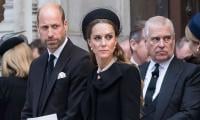 Real Reason Prince William, Kate Broke Silence On Andrew Scandal Revealed
 -
 Drew Barrymore Responds To 'Charlie's Angels' Costar's Comments About Her
 -
 Shakira Slips Hard On Stage During Life Show
 -
 King Charles Speaks Out Over Andrew's Scandal: 'Stand Ready To Help Police'
 -
 Dax Shepard Recalls Horrifying Accident That Almost Killed Him
 -
 Logan Paul's Bodyguard Hits Fan On Super Bowl Day
 -
 Epstein Files: Anne Hathaway Mentioned As Highly Desired Guest For Bill Gates?
 -
 Prince Harry Under A Lot Of Stress As Meghan Markle Makes Bizarre Demands
 -
 Princess Beatrice, Eugenie's Subtle Break From Disgraced Parents Exposed
 -
 Baby Left In Running Bathtub Dies After Father ‘forgets’ Him
 -
 King Charles Takes A Major Step To Keep Horrified Prince William Out Of The Loop On Andrew: Insider
 -
 Taylor Swift Set To Make Biggest Cut From Her Wedding Guest: Blake Lively Or Ryan Reynolds
 -
 Prince William Meets Saudi Crown Prince Mohammed Bin Salman