
Sunny side up
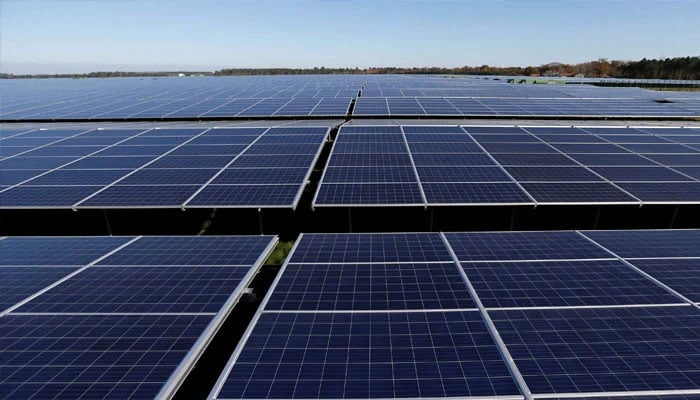
A drone’s eye view of Pakistan today would reveal rooftops blanketed with blue – solar panels lined up in neat rows, glinting under the sun. Symbols of modern energy efficiency they may be but they are also the desperate solutions of a people fed up with unreliable power supply, unpayable bills and a government unable to meet their needs. From urban homes to commercial buildings, the shift to rooftop solar is nothing short of a quiet energy revolution. But, as with all revolutions, this one carries its own complications. And, as per usual, the state’s response so far risks turning an opportunity into a crisis. Solar power’s share in Pakistan’s energy mix has surged from under 2.0 per cent in 2020 to a staggering 24 per cent in 2025. That kind of leap in just five years is seismic. Yet, instead of encouraging this transition and improving solar infrastructure and regulation, the government appears to be doing the opposite. Taxes on imported solar equipment, the proposed 20 per cent off-grid levy by 2026, and the slashing of the buy-back rate for excess solar power all point to a government more concerned with plugging revenue gaps than addressing the reasons people are leaving the national grid in the first place.
It is notable that power generation in FY2024–25 remained largely flat, not due to improved efficiency or lower demand, but rather because of two concerning trends: a decline in industrial activity and an exodus from the national grid resulting from solar adoption. The result is a growing pile of power sector debt and idle generation capacity, while utilities resort to tactics such as collective punishment to recover outstanding dues. In Karachi, even residents who pay their bills in full suffer from long power cuts, driving them further towards solar and away from government-regulated supply. There is no denying that solar comes with its own set of challenges. Maintenance is often neglected or misunderstood; tragic accidents, like the recent death of a young man cleaning panels with a damp cloth, highlight the urgent need for public awareness and safety guidelines. And worn-out panels are also contributing to a growing e-waste problem that Pakistan is ill-equipped to handle.
But these are problems of regulation, not of solar power itself. Instead of penalising citizens for finding their own solutions, the government should build a robust solar ecosystem: ensuring quality standards for equipment, creating mechanisms for safe disposal and recycling, subsidising safety training for users and integrating small-scale solar producers into the grid in ways that are equitable and sustainable. The country’s energy crisis is rooted not in people going off-grid, but in decades of mismanagement, lack of planning and misplaced priorities. Pakistan’s power infrastructure has failed to keep pace with demand and the cost of electricity remains unaffordable for millions. It is time the government recognised that access to uninterrupted and affordable power is not a luxury but a basic right. Human Rights Watch and other groups have already sounded the alarm and asked authorities to consider people’s access to uninterrupted and affordable power as their basic right. Citizens have responded with action. Now it is the state’s turn to catch up.







-
 Samsung Shares Rise After Nvidia Tie-up On New AI Chips In Latest Partnership
 -
 Oscars Host 'for Life'? Conan O'Brien's Future Addressed By Exec
 -
 King Charles Will Not Allow Shamed Andrew At His ‘funeral’
 -
 Lewis Hamilton Seemingly Confirms Kim Kardashian Romance
 -
 Queen Elizabeth II Was Most ‘iconic’ Royal To Photograph, Says Expert
 -
 Why Jamie Lee Curtis Says Timothee Chalamet's Opera Controversy 'is Going To Happen To All Of Us'?
 -
 Princess Beatrice, Eugenie To Take Their ‘married Names’ For Quitting Royal Titled
 -
 Teyana Taylor Responds After Reaction To Amy Madigan's Win Goes Viral: 'Miserable Hearts Forget The Face Of Happiness'
 -
 Queen Camilla Facialist Spills Top Beauty Secret
 -
 Michael B. Jordan Old Snap With Drake Resurfaces After His 2026 Oscars Win
 -
 Apple Rolls Out New AirPods Max Headphones With Advanced Features, Including 'Live Transmission'
 -
 King Charles Makes Surprising Move During Visit In Manchester
 -
 Kylie Jenner Gets ‘cold Shoulder’ From Timothée Chalamet Sisters
 -
 Encyclopedia Britannica Sues OpenAI Over Alleged Use Of Its Content For AI Training
 -
 Jane Fonda Teases Barbra Streisand Over Robert Redford Tribute: 'I Have More To Say'
 -
 'Love Island' Fans Connect The Dots After Samie Elishi Confirms Relocation Plans After Split: 'She Did It Just To Promote Her Perfume'