
Pakistan to chair UN Taliban Sanctions Committee
These groups focus on improving working methods, transparency, and effectiveness of UN sanctions regimes
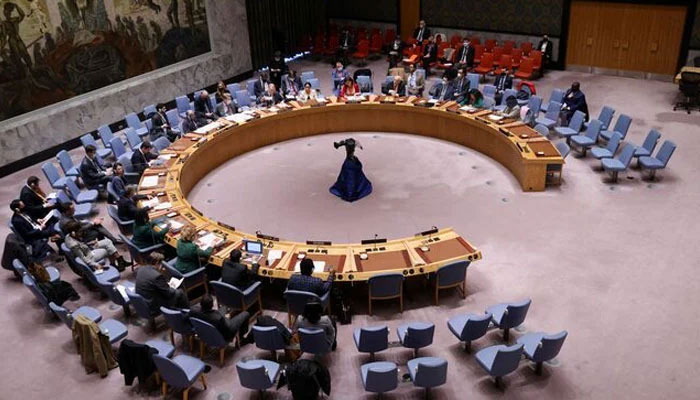
KARACHI: Pakistan has assumed the chairmanship of the United Nations Security Council’s (UNSC) 1988 Sanctions Committee, which oversees sanctions targeting the Taliban.
In a statement on Wednesday, the Permanent Mission of Pakistan to the UN said the appointment reinforces Islamabad’s growing role in global diplomatic and counterterrorism efforts. Pakistan has also been named vice-chair of the UNSC’s Counter-Terrorism Committee. The 1988 Sanctions Committee is tasked with implementing measures such as travel bans, asset freezes, and arms embargoes against individuals and entities associated with the Taliban. Pakistan’s leadership of the committee positions it at the centre of deliberations on Afghanistan’s future, where it continues to advocate for a constructive, regionally led approach.
The statement further highlighted that Islamabad has also been appointed co-chair of the Security Council’s Informal Working Group on documentation and the newly established Informal Working Group on Sanctions. These groups focus on improving the working methods, transparency, and effectiveness of UN sanctions regimes.
The development has triggered several Indian commentators and media outlets on X (formerly Twitter), many of whom expressed surprise over what they view as a diplomatic setback. They reiterated the Indian government’s narrative that its neighbour has harboured and financed terror groups. Some analysts see the reaction as part of a broader narrative struggle playing out between the South Asian rivals on international platforms.
An Indian delegation is currently in the US, reportedly to advance its narrative against Pakistan on the international stage, as New Delhi seeks to shape opinion among Western allies on counterterrorism-related matters. The timing of the visit has not gone unnoticed in diplomatic circles.
The appointment signals broader international confidence in Islamabad’s capacity to contribute meaningfully to global peace and security frameworks.
Meanwhile, Pakistan’s concurrent diplomatic engagement with China and its expanded role within the UNSC underscore its efforts to rebalance regional dynamics and play a stabilising role in Afghanistan.






-
 Prince William Should Focus On 'family Business' After Andrew Blunder
 -
 Katherine Schwarzenegger Pratt 'brought To Tears' By Sister-in-law's Gesture
 -
 Prince William Makes Bold Claim About Britain's Creative Industry At BAFTA
 -
 Andrew Mountbatten Windsor Insulting 'catchphrase' That Degarded Staff
 -
 Kate Middleton, Princess Beatrice 'undercurrent Tension' Comes To Surface
 -
 'Grey's Anatomy' Alum Katherine Heigl Reveals Why She Stayed Silent After Eric Dane Loss
 -
 Host Alan Cumming Thanks BAFTAs Audience For Understanding After Tourette’s Interruption From Activist
 -
 Jennifer Garner Reveals Why Reunion With Judy Greer Makes Fans 'lose Their Minds'
 -
 Chris Hemsworth Makes Shocking Confession About His Kids' Reaction To His Fame
 -
 Wiz Khalifa Reveals Unconventional Birthday Punch Tradition With Teenage Son In New Video
 -
 BAFTAs 2026: Kerry Washington Makes Debut In Custom Prada Gown
 -
 Jennifer Lopez Gets Emotional As Twins Max And Emme Turn 18
 -
 Andrew Mountbatten Windsor Blunders Are Result Of 'conspiracy Of Silence'
 -
 Keith Urban Fires Entire Management Team After Divorcing Nicole Kidman
 -
 Kylie Jenner Marks Death Anniversary Of Hairstylist Jesus Guerrero With '222' Tribute
 -
 Daniel Radcliffe On How It's Like Seeing New Harry Potter Cast Years Later