
Manufacturing PMI falls amid geopolitical unrest, supply disruptions
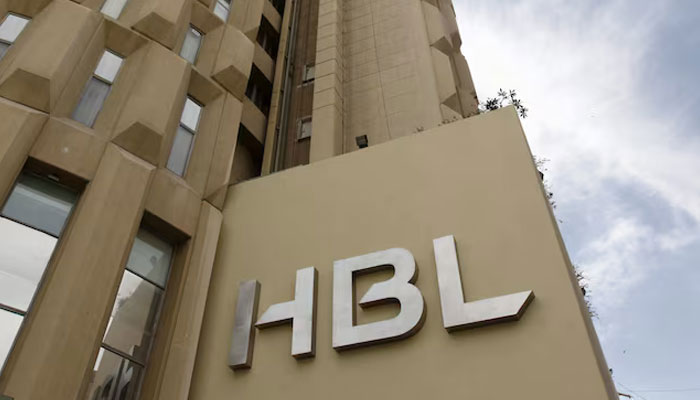
KARACHI: The headline HBL Pakistan Manufacturing PMI fell to an eight-month low of 51.1 in May from 51.9 in April, reflecting a notable slowdown in business activity from the series peak in December, according to a press release issued on Wednesday.
Analysts attribute the decline to disruptions caused by the recent geopolitical unrest and raw material shortages linked to road closures.The HBL S&P Manufacturing PMI serves as a key economic indicator, offering a clearer and more timely signal of business conditions compared to traditional GDP data. Unlike GDP, which is published quarterly and often revised, the PMI delivers real-time economic signals, showing a stronger correlation with equity markets. The exclusion of public sector activities partially helps explain why the PMI survey’s global output index exhibits a higher correlation with equities.
Humaira Qamar, head of equities & research at HBL, commented on the latest report, saying, “The moderation in business activity was driven by a contraction in new orders -- the most forward-looking subindex -- emanating from geopolitical unrest and logistical disruptions. Export orders declined for a second consecutive month, further dampening business sentiment. While output expanded, it was mainly driven by the completion of existing orders.
Despite temporary headwinds, including tariffs and geopolitical unrest, the outlook for the manufacturing sector remains optimistic. The survey indicates strong business confidence in production growth over the next year, fuelled by expectations of improving demand.”
Qamar mentioned that although interest rates are at their lowest in three years, the government’s contractionary fiscal stance continues to keep growth prospects in check. Provisional estimates showed GDP growing at a modest 2.7 per cent in FY25, up only slightly from 2.5 per cent last year.
This year’s federal budget is set for release on June 10 in close coordination with the IMF, where the authorities are expected to continue strong consolidation efforts, targeting a primary budget surplus of 1.6 per cent of GDP, the third consecutive surplus. According to Qamar, FBR tax revenues are expected to rise 16 per cent, outpacing nominal GDP growth, pointing to the limited scope for tax relief in the upcoming budget.
She further said, “To uphold fiscal discipline and offset potential tax shortfalls, the government will likely bolster non-tax revenues through higher levies on petroleum products, and tighten development expenditures. However, defence spending may remain insulated from cuts, given the prevailing geopolitical landscape.”







-
 Prince William Should Focus On 'family Business' After Andrew Blunder
 -
 Katherine Schwarzenegger Pratt 'brought To Tears' By Sister-in-law's Gesture
 -
 Prince William Makes Bold Claim About Britain's Creative Industry At BAFTA
 -
 Andrew Mountbatten Windsor Insulting 'catchphrase' That Degarded Staff
 -
 Kate Middleton, Princess Beatrice 'undercurrent Tension' Comes To Surface
 -
 'Grey's Anatomy' Alum Katherine Heigl Reveals Why She Stayed Silent After Eric Dane Loss
 -
 Host Alan Cumming Thanks BAFTAs Audience For Understanding After Tourette’s Interruption From Activist
 -
 Jennifer Garner Reveals Why Reunion With Judy Greer Makes Fans 'lose Their Minds'
 -
 Chris Hemsworth Makes Shocking Confession About His Kids' Reaction To His Fame
 -
 Wiz Khalifa Reveals Unconventional Birthday Punch Tradition With Teenage Son In New Video
 -
 BAFTAs 2026: Kerry Washington Makes Debut In Custom Prada Gown
 -
 Jennifer Lopez Gets Emotional As Twins Max And Emme Turn 18
 -
 Andrew Mountbatten Windsor Blunders Are Result Of 'conspiracy Of Silence'
 -
 Keith Urban Fires Entire Management Team After Divorcing Nicole Kidman
 -
 Kylie Jenner Marks Death Anniversary Of Hairstylist Jesus Guerrero With '222' Tribute
 -
 Daniel Radcliffe On How It's Like Seeing New Harry Potter Cast Years Later