
Eurozone inflation slows sharply in May
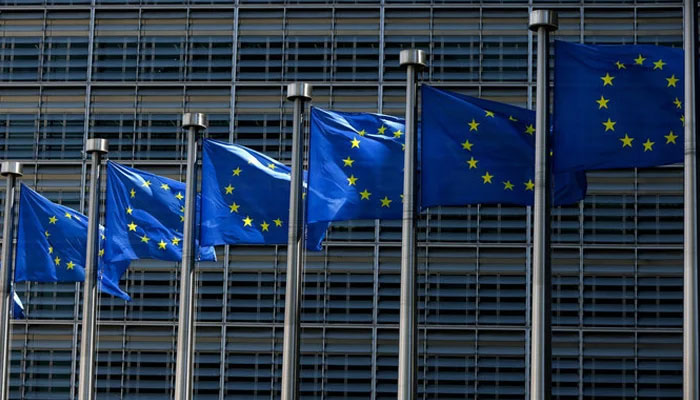
BRUSSELS: Inflation in the eurozone eased in May to its lowest level in eight months, back below the European Central Bank’s two-per cent target, further raising expectations for another interest rate cut this week.
Year-on-year consumer price increases in the single currency area slowed more than predicted by analysts for FactSet to 1.9 per cent, down from 2.2 per cent in April, the EU’s official statistics agency said.
Core inflation -- which strips out volatile energy, food, alcohol and tobacco prices and is a key indicator for the ECB -- also eased more than expected to 2.3 per cent in May, down from 2.7 per cent a month earlier.
The ECB is expected to deliver its seventh-straight interest rate cut Thursday as the United States’ volatile trade policies hang over the sluggish eurozone economy.
“This won’t have much of a bearing on Thursday’s ECB decision, which already looked almost certain to be a 25 basis point cut,” said Jack Allen-Reynolds, deputy chief eurozone economist at UK-based investment research group Capital Economics.
“But May’s inflation data strengthen the case for another cut at the following meeting in July,” he said.Eurozone inflation is at its lowest point since September last year, when it stood at 1.7 per cent.
The slowdown in inflation was thanks to prices for services easing to 3.2 per cent from 4.0 per cent in April, Eurostat said.The ECB closely monitors the sector as it is highly correlated to wage growth. The ECB fears that a vicious cycle between rising wages and prices would make it more difficult to tackle inflation.
In energy, the rate was negative 3.6 per cent, unchanged from the month before. Food-price inflation accelerated, however, to 3.3 per cent last month from 3.0 per cent in April.
Further drops
Inflation has sharply dropped from the record peak of 10.6 per cent in October 2022 after Russia’s invasion of Ukraine sent energy prices sky-high.Capital Economics’ Allen-Reynolds said he expected inflation to fall further in the months ahead, “leaving the headline rate comfortably below two percent in the second half of the year”.
“Subdued oil prices and a stronger euro will drag down energy inflation and lead to cheaper production inputs and imports. Decelerating wage growth will bring the long-awaited cooling in the sticky services category,” said Riccardo Marcelli Fabiani, senior economist at Oxford Economics.
Consumer price rises in Europe’s two economic powerhouses, Germany and France, slowed in May to 2.1 per cent and 0.6 per cent, respectively.
While the eurozone economy expanded by 0.3 per cent over the January-March period from the previous quarter, US President Donald Trump’s erratic trade policy, including the potential for steep tariffs, has hurt the region’s economic outlook.
Trump has put a 50-per cent duty on EU goods on ice until July 9 as the two sides chase an agreement but a 10-per cent levy remains, alongside 25-per cent tariffs on steel, aluminium and auto imports.Trump now plans to raise duties on steel and aluminium to 50 per cent.







-
 Woman Jailed Over False 'crime In Space' Claim Against NASA Astronaut
 -
 James Van Der Beek’s Close Pal Reveals Family's Dire Need Of Donations
 -
 Prince William And Harry's Cousins Attend 'Wuthering Heights' Event
 -
 Hailey Bieber Turns Heads Just Hours After Major Business Win
 -
 King Charles' Andrew Decision Labelled 'long Overdue'
 -
 Timothee Chalamet 'forever Indebted' To Fan Over Kind Gesture
 -
 Columbia University Sacks Staff Over Epstein Partner's ‘backdoor’ Admission
 -
 Ozzy Osbourne's Family Struggles Behind Closed Doors
 -
 Dua Lipa Claims Long-distance Relationship 'never Stops Being Hard'
 -
 BTS Moments Of Taylor Swift's 'Opalite' Music Video Unvieled: See Photos
 -
 Robin Windsor's Death: Kate Beckinsale Says It Was Preventable Tragedy
 -
 Rachel Zoe Shares Update On Her Divorce From Rodger Berman
 -
 Kim Kardashian Officially Takes Major Step In Romance With New Boyfriend Lewis Hamilton
 -
 YouTube Tests Limiting ‘All’ Notifications For Inactive Channel Subscribers
 -
 'Isolated And Humiliated' Andrew Sparks New Fears At Palace
 -
 Google Tests Refreshed Live Updates UI Ahead Of Android 17