
Peca vs the people
Worse still is legal shift that now renders previously bailable and non-cognizable offences non-bailable
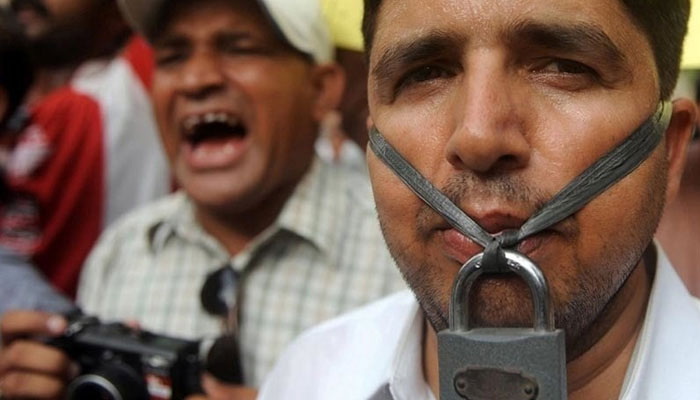
A latest report by the Human Rights Commission of Pakistan (HRCP) has sounded a necessary alarm over the Prevention of Electronic Crimes Act (Peca) (Amendment) Act 2025 – a law that, in its latest form, poses an even greater threat to civil liberties than its already draconian predecessors. The HRCP’s call for the complete repeal of the law – not revision, not tweaks, but outright repeal – is a clear indictment of a legislative instrument that has repeatedly been used to stifle dissent, muzzle journalists and turn digital spaces into zones of fear. From its inception in 2016, Peca has drawn criticism for criminalising broad, undefined categories of expression such as ‘fake’ and ‘false’ information – terms that are not only legally vague but also easily manipulated to target critics and political opponents. The 2025 amendments have made a bad law worse. They maintain criminal penalties of up to three years’ imprisonment for such nebulous offences and expand the state’s powers by establishing a powerful regulatory authority, complaints council and tribunal – all under disproportionate executive control. This setup threatens any hope for impartial oversight or justice.
Worse still is the legal shift that now renders previously bailable and non-cognizable offences non-bailable and cognizable. In plain terms, this means that individuals can now be arrested without a warrant and denied bail, an alarming turn that opens the door to abuse of power. Meanwhile, replacing the FIA with the newly formed National Cyber Crime Investigation Agency (NCCIA) has done little to inspire confidence, especially in the absence of clear safeguards and independent checks on its authority. These legal distortions are not theoretical concerns. They have already been used to intimidate and arrest journalists. Media organisations had warned of these exact dangers when the amendments were first introduced, and their fears have been realised. Under the guise of regulating misinformation, the state has equipped itself with a legal sledgehammer to silence dissent. The intent is unmistakable: control the narrative, punish deviation.
This is about democracy, about the right of the people to speak, to criticise, to question – without fear of retribution. A growing number of observers and civil society voices are warning of escalating censorship, particularly in digital spaces. Crackdowns on social media, regressive defamation laws and sweeping content regulation policies have all contributed to a culture of silence. The internet, once a place of vibrant discourse, is being forcibly sterilised. The government must understand the damage it is inflicting on its own credibility. The goodwill it gained from Pakistan’s strong national showing during the recent Indo-Pak conflict – a moment that even prompted the unbanning of X (formerly Twitter) – should not be squandered by overreaching legislative control. If anything, the social media solidarity that emerged at that moment proved that the people of Pakistan could unite, express and engage meaningfully without coercion.
This hybrid regime’s penchant for controlling institutions shows a disturbing pattern. Legislation should protect, not suppress. It is not too late to change course. The HRCP’s recommendation to build a national coalition of civil society, journalists and human rights defenders to push back against these laws is a critical step forward. Pakistan’s political leadership must engage with this initiative and take seriously the constitutional guarantees of freedom of expression, opinion and media. Let dissent breathe, let criticism exist, and let free speech flourish. That is not weakness. That is strength.







-
 Patriots' WAGs Slam Cardi B Amid Plans For Super Bowl Party: She Is 'attention-seeker'
 -
 Martha Stewart On Surviving Rigorous Times Amid Upcoming Memoir Release
 -
 Prince Harry Seen As Crucial To Monarchy’s Future Amid Andrew, Fergie Scandal
 -
 Chris Robinson Spills The Beans On His, Kate Hudson's Son's Career Ambitions
 -
 18-month Old On Life-saving Medication Returned To ICE Detention
 -
 Major Hollywood Stars Descend On 2026 Super Bowl's Exclusive Party
 -
 Cardi B Says THIS About Bad Bunny's Grammy Statement
 -
 Sarah Ferguson's Silence A 'weakness Or Strategy'
 -
 Garrett Morris Raves About His '2 Broke Girls' Co-star Jennifer Coolidge
 -
 Winter Olympics 2026: When & Where To Watch The Iconic Ice Dance ?
 -
 Melissa Joan Hart Reflects On Social Challenges As A Child Actor
 -
 'Gossip Girl' Star Reveals Why She'll Never Return To Acting
 -
 Chicago Child, 8, Dead After 'months Of Abuse, Starvation', Two Arrested
 -
 Travis Kelce's True Feelings About Taylor Swift's Pal Ryan Reynolds Revealed
 -
 Michael Keaton Recalls Working With Catherine O'Hara In 'Beetlejuice'
 -
 King Charles, Princess Anne, Prince Edward Still Shield Andrew From Police