Experts highlight vital role of youth in shaping anti-polio narrative
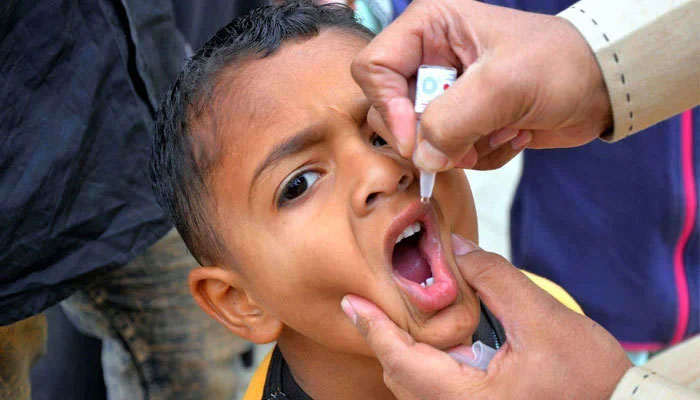
The Department of International Relations of the University of Karachi on Friday in collaboration with Unicef organised a seminar titled “Healthy Futures: The Role of Students in Polio Eradication in Pakistan” at the KU’s audiovisual centre to raise awareness among university students about polio eradication, vaccination, and the crucial role of routine immunisation.
Students from the departments of international relations, political science, and mass communication actively participated in the session, which featured a distinguished panel of experts from the polio programme and academia.
The speakers included the Dean, Faculty of Arts and Social Sciences Prof Dr Samina Saeed,
Chairman Department of International Relations Dr Naeem Ahmed, Senior Technical Advisor WHO Dr Salah Selem Haithami, Social and Behaviour Change Specialist Unicef Abida Umar, Senior Paediatrician and Associate Professor Department of Community Medicine Dow Medical College Dr Khalid Shafi, and Communication Officer EOC Sindh Nofil Naqvi.
The session focused on educating students about the science of polio transmission and vaccination, the strategic efforts underway to eradicate the disease from Pakistan, and the challenges posed by misinformation and vaccine hesitancy.
Drawing from their diverse expertise, the panelists offered valuable insights into the public health, social, and media dimensions of the polio eradication effort, highlighting the vital role young people can play in shaping health narratives.
Prof Dr Samina Saeed commended the initiative and expressed hope that the youth would actively participate in the polio eradication campaign. She remarked that such sessions pave the way for future initiatives and foster a culture of awareness and responsibility among students.
She emphasized the importance of continued support from Unicef and the EOC for similar university-based engagements in the future. Highlighting the recent rise in polio cases, she described the situation as alarming and urged collective efforts to address this public health challenge.
Dr Naeem Ahmed emphasised the importance of polio eradication not only as a public health priority but also as a matter of national and international relevance. He highlighted that non-traditional issues can lead to conflict, drawing attention to the broader implications of health crises on national security and international relations.
He noted that the persistence of polio cases can negatively impact the global image of the state, and may lead to consequences such as international travel restrictions, which can affect civil aviation and limit mobility for the public.
Abida Umar expressed hope that young people would actively contribute to upcoming polio campaigns by raising awareness in their communities. She stressed that their engagement is crucial in dispelling myths, educating families, and protecting future generations.
“We believe youth have the power to bring about meaningful change. Their participation in awareness efforts can significantly help in safeguarding the health and future of countless families.”
Nofil Naqvi, spokesperson for the EOC Sindh, said that this is an essential initiative. We are scaling up such engagements across educational institutions in the province to ensure our future leaders are not only informed but also empowered to champion immunisation and public health.
A key highlight of the event was the interactive segment, where students engaged in thoughtful dialogue on how they could contribute—by countering myths, supporting vaccination campaigns, and leveraging social media to promote accurate health information.
Experts mentioned that Pakistan is one of only two countries where wild poliovirus remains endemic. With recent cases and environmental detections reported from several districts in Sindh, including Karachi, sustained community awareness, youth engagement, and proactive communication remain critical to the success of the eradication campaign.







-
 Sarah Ferguson Resorts To A Cynical Attempt At Survival And Runa Out Of Lives
 -
 Nicole Kidman 'calm' And Focused After Keith Urban Split
 -
 Prince Harry Deserves UK Security: ‘Didn’t Choose His Fate’
 -
 Brooklyn Beckham Goes Public With His Side Of The Story Amid Feud With Family
 -
 Sarah Ferguson & Andrew Turn Volatile And Makes Buckingham Palace’s Biggest Fear Come True
 -
 Brooklyn Beckham Finds It 'hard' To Keep Contact With Sister Harper
 -
 Meghan Markle’s Laundry List Of Demands Finally Gets Answer By King Charles?
 -
 New Mystery About 'Ring Nebula' Shock Astronomers: Here's Why
 -
 Prince Harry Picks PR Photos In Fear Of ‘bald Spots’
 -
 Saying Prince Harry Will ‘probably Be Fine Isn’t Good Enough’, Expert Speaks Out
 -
 Inside Meghan Markle’s Plans ‘With Love, Meghan’: Season 3 And Valentines Day Specials
 -
 King Charles Gets Caught Between A Rock And A Hard Place For The Second Time With Harry
 -
 Dolly Parton Hints At More Music As She Marks 80
 -
 Simu Liu Reveals How His Family Treated Him After He Started Acting
 -
 Gwyneth Paltrow Mourns Valentino As She Calls His Death 'end Of An Era'
 -
 Prince Harry Questioned Over Desires Of Becoming ‘next King’