
AST warns masses of screen addiction effects
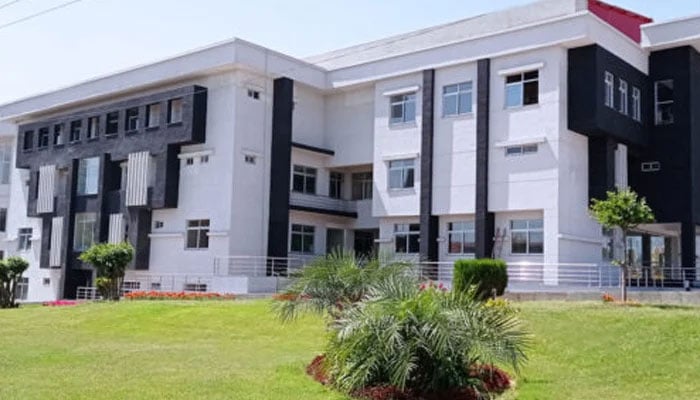
Rawalpindi:The Al-Shifa Trust (AST) on Monday raised concerns about the increasing health problems linked to excessive time spent on mobile and computer screens. The trust stated that both children and adults are using screens more than ever, resulting in significant physical and mental health issues.
Senior Consultant and Head of the Oculoplastics Department at Al-Shifa Trust Eye Hospital in Rawalpindi Dr. Tayyab Afghani said that disproportionate screen time is associated with eye problems, depression, anxiety, sleep issues, obesity, and impaired social development. Talking to reporters, he explained that children are especially at risk as it can affect their eyes, sleep, attention span, language, and emotional growth. He advised parents to limit screen time according to age, encourage outdoor play, avoid screens during meals and bedtime, and use storytelling and educational activities instead of just games and videos.
Dr. Afghani said that professionals also face similar issues. Constant use of screens for emails, meetings, and messages cause eye strain, headaches, back pain, and poor posture. He suggested that after every 20 minutes on screen, people should look at something 20 feet away for 20 seconds to reduce eye problems. He added that people should prioritize their well-being by setting clear limits between work and personal time, especially when working from home.
Dr. Afghani also urgently warned about the ongoing heat wave and growing air pollution. He stressed that the hot weather and air pollution are increasing health risks, such as eye, breathing, and heart problems, especially for children, the elderly, and people with medical conditions.
He noted that temperatures in many cities are reaching record highs, making outdoor exposure increasingly dangerous. To stay safe, he advised avoiding going out during the hottest part of the day, drinking plenty of water, wearing sunglasses and light clothes, staying in cool places, using face masks outdoors, keeping windows closed, and using air purifiers if possible.
Dr. Tayyab Afghani emphasised that public awareness and early action can prevent long-term damage. He encouraged schools, parents, and employers to work together in creating screen-safe environments and healthier routines, especially during the ongoing heat wave, when people’s vulnerability to eye strain and dehydration increases significantly. He also mentioned that with its comprehensive services, Al-Shifa Trust offers nearly 80% of its patients free eye treatment at hospitals in Rawalpindi, Chakwal, Kohat, Sukkur, Muzaffarabad, and Gilgit. A new hospital in Lahore will start operations by 2027.







-
 Kate Middleton, Prince William Break Silence Over Tragic Shooting In Canada
 -
 'Finding Her Edge' Star Madelyn Keys Explains Adriana's Remarks About Brayden Romance
 -
 Royal Expert Raises Questions Over Sarah Ferguson's 'plotting' Stunning Comeback
 -
 Instagram Develops AI ‘Create My Likeness’ Tool To Generate Personalised Photos And Videos
 -
 Meghan Markle, Prince Harry Friends Suggest Their Marriage 'isn't All It Seems'
 -
 Andrew Handed Out 'classified' Information To Jeffrey Epstein
 -
 Margot Robbie Recalls Wild Party Days And Getting Kicked Out Of Clubs
 -
 NASA's Hubble Space Telescope Discovers ‘Dracula Disk', 40 Times Bigger Than Solar System
 -
 Annular Solar Eclipse 2026: Where And How To Watch ‘ring Of Fire’
 -
 Zayn Malik Explains Past Comments About Not Being In Love With Gigi Hadid
 -
 Internet Reacts To 10 Days Flight Ban Over El Paso
 -
 YouTube Music Tests AI-powered ‘Your Week’ Recap To Summarise Listening Habits
 -
 Kelly Clarkson Ready To Date After Talk Show Exit?
 -
 Is AI Heading Into Dangerous Territory? Experts Warn Of Alarming New Trends
 -
 Google Updates Search Tools To Simplify Removal Of Non-consensual Explicit Images
 -
 Chilling Details Emerge On Jeffrey Epstein’s Parties: Satanic Rights Were Held & People Died In Rough Intimacy