
Karachi conference highlights AI learning for future impact
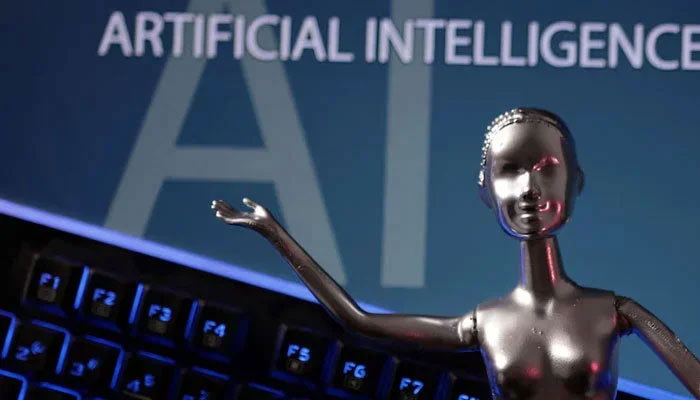
KARACHI: Corporate leaders convened in Karachi at the ‘New Age Innovations’ conference, emphasising the crucial need for continuous learning to leverage the profound impact of artificial intelligence. Held at the Karachi Movenpick Hotel, the event brought together industry experts to discuss AI’s potential to accelerate innovation, drive economic growth, and revolutionise sectors such as healthcare, education and finance.
Yasmin Hyder, CEO of New World Concepts, a corporate marketing and management consultancy, opened the conference, stressing the pivotal role of innovation and AI in the contemporary workplace and the necessity for upskilling to adapt to the latest technological advancements.
Prof Dr Atta-ur-Rahman highlighted the lifelong nature of knowledge acquisition and urged Pakistan to harness technology and AI, particularly to enhance the skill levels of university students.
Dr Rudiger Lotz, German consul general in Karachi, noted AI’s positive impact on German industries while also cautioning about the need for safeguards.
Sohail Javaad Syed, executive director at the State Bank of Pakistan’s DFS Group, detailed the central bank’s digitisation efforts, emphasizing how technology is expanding banking access to previously underserved populations.
Dr Ani Atanasova, CEO and co-founder of Pixelhunters UAE, discussed the ethical implications of AI, its potential for social good, and how technology can drive meaningful change.
Dr S Akbar Zaidi, executive director of the Institute of Business Administration Karachi, offered a critical perspective on institutional and societal adaptation to the AI revolution, addressing its socio-economic implications and the role of policy and education.
Asma Shaikh, acting VP and director-general HR at the Asian Infrastructure Investment Bank China, provided insights on preparing the workforce for the AI era, covering future-ready leadership and talent development.
Naz Khan, principal country officer at the International Finance Corporation Pakistan, focused on AI’s transformative potential in agriculture, energy, and infrastructure for inclusive economic growth and addressing challenges like climate change.
Atyab Tahir, co-founder and CEO of HugoBank, explored AI’s revolutionising impact on banking and financial services through enhanced customer experiences and operational efficiency.
Qashif Effendi, EVP of SBE Holdings, Canada, illustrated how generative AI can boost sales through improved customer targeting and content creation.
Dr Zainab Samad of Aga Khan University discussed AI’s effects on health and wellbeing, highlighting its impact on medical diagnostics while also noting the effects of continuous technology use on the brain and social interactions.
A panel discussion on ‘Human-Centric Operating Models’ explored how technological innovations are reshaping work and driving growth, with Zia Salahuddin, executive director of OGDCL, noting AI’s role in optimising processes and reducing costs. The discussion also highlighted AI’s ability to help organisations adapt to changing customer preferences and drive revenue growth through new products and services.







-
 Alix Earle And Tom Brady’s Relationship Status Revealed After Cosy Super Bowl 2026 Outing
 -
 Why King Charles Has ‘no Choice’ Over Andrew Problem
 -
 Shamed Andrew Wants ‘grand Coffin’ Despite Tainting Nation
 -
 Keke Palmer Reveals How Motherhood Prepared Her For 'The Burbs' Role
 -
 King Charles Charms Crowds During Lancashire Tour
 -
 ‘Disgraced’ Andrew Still Has Power To Shake King Charles’ Reign: Expert
 -
 Why Prince William Ground Breaking Saudi Tour Is Important
 -
 AOC Blasts Jake Paul Over Bad Bunny Slight: 'He Makes You Look Small'
 -
 At Least 53 Dead After Migrant Boat Capsizes Off Libya
 -
 'God Of War' Announces Casting Major Key Role In Prime Video Show
 -
 Real Reason Prince William, Kate Broke Silence On Andrew Scandal Revealed
 -
 Drew Barrymore Responds To 'Charlie's Angels' Costar's Comments About Her
 -
 Shakira Slips Hard On Stage During Life Show
 -
 King Charles Speaks Out Over Andrew's Scandal: 'Stand Ready To Help Police'
 -
 Dax Shepard Recalls Horrifying Accident That Almost Killed Him
 -
 Logan Paul's Bodyguard Hits Fan On Super Bowl Day