
Ashrafi urges Pakistani diaspora to avoid unauthorised Haj
He urge intending pilgrims to remain vigilant and avoid falling prey to scams, which exploit religious sentiments
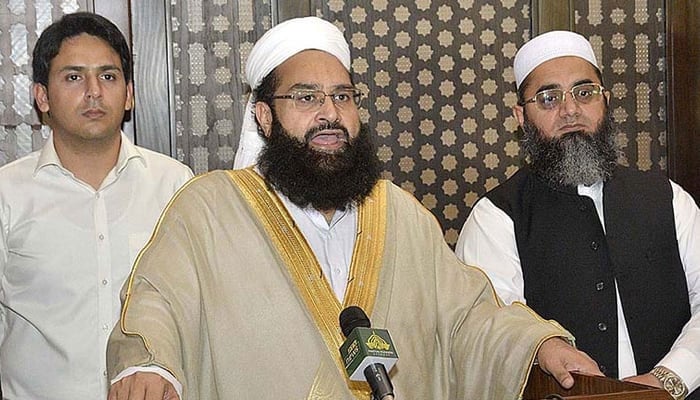
ISLAMABAD: Pakistan Ulema Council (PUC) Chairman and President Dar-ul-Iffta Pakistan, Hafiz Muhammad Tahir Mehmood Ashrafi has unveiled a comprehensive code of conduct in a bid to ensure a smooth and hassle-free pilgrimage experience for private Hajj pilgrims.
He, in a recent press talk, emphasised the importance of booking Hajj journeys only through authorised organisers, cautioning against fraudulent activities perpetrated by unauthorised groups through social media platforms. He urged intending pilgrims to remain vigilant and avoid falling prey to such scams, which exploit the religious sentiments of innocent people for monetary gain.
Moreover, Ashrafi addressed the issue of unauthorised pilgrimage by Pakistani diaspora in Saudi Arabia, emphasising that performing Hajj without official permission is strictly prohibited according to Islamic principles and the law of the land.
He warned that individuals caught without proper authorisation would face consequences, potentially tarnishing the reputation of the country.
Highlighting another concern, Ashrafi discouraged pilgrims from engaging in disruptive behaviour, such as taking selfies and videos during Hajj rituals, which could inconvenience fellow pilgrims. He stressed the importance of focusing on religious duties and maintaining decorum for a seamless pilgrimage experience.
In addition, Ashrafi urged pilgrims to refrain from engaging in political activities during the Hajj season, particularly at Haramain Sharifain and other sacred sites in Saudi Arabia. He underscored that such actions are not only contrary to Islamic teachings and Shariah but also reflect poorly on Pakistan in the international community.
The code of conduct underscores the necessity of undertaking Hajj with Halal wealth, refraining from disputes, and embodying dignity and humility throughout the pilgrimage.
It highlights the sacredness of the Hajj period and the significance of sincere intention solely for the pleasure of Allah. Pilgrims are urged to acquire comprehensive knowledge of the rituals and seek guidance when needed.
They must adhere to the guidelines set by the Ministry of Religious Affairs and Interfaith Harmony and appointed leaders of Hajj and Umrah groups, prioritising obedience to Allah and His commandments.
Saudi Arabia’s efforts to facilitate pilgrims are acknowledged, including the Route Makkah programme benefiting Pakistani pilgrims. Patience is emphasised in facing challenges, be it delays at airports or congestion on roads.







-
 Kylie Kelce Explains Why She Avoids Raising Kids With 'silver Spoon'
 -
 Meghan Markle Is Above Royal Family ‘empty Threats,’ Says Insider
 -
 Anne Hathaway Opens Up About 'defeated' Feeling As Working Mom
 -
 Shamed Andrew Should Testify In Epstein Case As ‘act Of Service’
 -
 What Really Happened Before Nicholas Brendon Was Found Dead At Home?
 -
 Sarah Ferguson Branded ‘most Famous Missing Person’ In UK Right Now
 -
 Why King Charles Does Not Need A Driving License? Expert Reveals
 -
 Did Graham Norton Really Sign NDAs For Taylor Swift’s Wedding?
 -
 ‘Polite’ King Charles Treats Staff Better Than ‘boorish’ Andrew
 -
 Princess Beatrice's Husband Raises Eyebrows With Deleted Instagram Post
 -
 Dua Lipa 'snubs' Priyanka Chopra
 -
 Will Taylor Frankie Paul Still Get Her 'Bachelorette' Salary?
 -
 'Harry Potter' Returns: First Glimpse Of HBO's New Series
 -
 Ryan Gosling Credits His Kids For Key Detail In New Role
 -
 Prince William, Kate Middleton Mark 'historic Moment'
 -
 Why Roberts Pattinson Says Couples 'ruin' Their Big Day Amid Suki Waterhouse Wedding Rumors?