
Speakers say mountainous areas vulnerable to climate change impacts
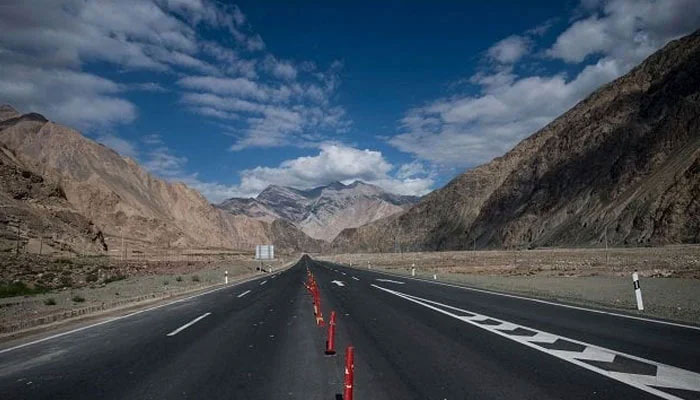
MINGORA: The University of Agriculture, Swat, hosted a one-day stakeholder consultation on Wednesday on the Khyber Pakhtunkhwa Agriculture Policy and Mountain Agriculture Policy.
The event brought together representatives from the provincial government, academic and research institutions, farmers’ organizations, private sector stakeholders, and development partners.
Vice Chancellor Professor Dr. Farmanullah highlighted the importance of inclusive dialogue in shaping policies that respond to local needs and challenges.Professor Dr. Muhammad Jamal Khan, academic advisor at the university, emphasized that mountain regions are rich in biodiversity, resilient farming communities, and indigenous knowledge developed over centuries.
“Despite facing challenging environmental conditions, these regions play a crucial role in sustaining rural livelihoods and ensuring food security,” he noted.Dr. Muhammad Jamal Khan stressed the importance of integrated approaches, including careful water management, soil conservation techniques, climate-appropriate crop varieties, and improved livestock practices.
Professor Dr Muhammad Zulfiqar, advisor at the Center for Climate Resilient Mountain Agriculture, pointed out that mountainous areas are particularly vulnerable to climate change impacts such as erratic rainfall, glacial retreat, soil erosion, and declining crop yields.
“This initiative is not just about farming differently; it’s about securing the future of our people and our environment,” he said and advocated for climate-smart agriculture approaches like agroforestry, organic farming, and drought-tolerant crops.Additional Secretary Agriculture, Najmus Sehr, said the stakeholder consultation was a step toward the development of inclusive, evidence-based, and responsive agricultural policies tailored to the province’s diverse agro-ecological zones.
“Special focus is being placed on mountain agriculture to enhance food security, improve livelihoods, and build climate resilience,” she said. She also mentioned the untapped potential of KP’s agricultural sector, particularly in its underutilized mountain regions. “Through this policy, we aim to empower farmers, introduce climate-smart practices, and encourage innovation in agri-business,” added the speaker.







-
 Prince William Should Focus On 'family Business' After Andrew Blunder
 -
 Katherine Schwarzenegger Pratt 'brought To Tears' By Sister-in-law's Gesture
 -
 Prince William Makes Bold Claim About Britain's Creative Industry At BAFTA
 -
 Andrew Mountbatten Windsor Insulting 'catchphrase' That Degarded Staff
 -
 Kate Middleton, Princess Beatrice 'undercurrent Tension' Comes To Surface
 -
 'Grey's Anatomy' Alum Katherine Heigl Reveals Why She Stayed Silent After Eric Dane Loss
 -
 Host Alan Cumming Thanks BAFTAs Audience For Understanding After Tourette’s Interruption From Activist
 -
 Jennifer Garner Reveals Why Reunion With Judy Greer Makes Fans 'lose Their Minds'
 -
 Chris Hemsworth Makes Shocking Confession About His Kids' Reaction To His Fame
 -
 Wiz Khalifa Reveals Unconventional Birthday Punch Tradition With Teenage Son In New Video
 -
 BAFTAs 2026: Kerry Washington Makes Debut In Custom Prada Gown
 -
 Jennifer Lopez Gets Emotional As Twins Max And Emme Turn 18
 -
 Andrew Mountbatten Windsor Blunders Are Result Of 'conspiracy Of Silence'
 -
 Keith Urban Fires Entire Management Team After Divorcing Nicole Kidman
 -
 Kylie Jenner Marks Death Anniversary Of Hairstylist Jesus Guerrero With '222' Tribute
 -
 Daniel Radcliffe On How It's Like Seeing New Harry Potter Cast Years Later