
US Fed’s preferred inflation gauge cooled ahead of Trump tariffs
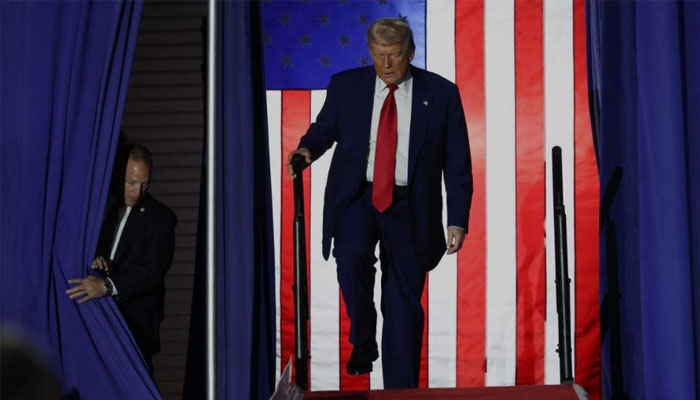
WASHINGTON: The US Federal Reserve’s preferred inflation measure cooled last month ahead of the introduction of US President Donald Trump’s sweeping tariffs on top trading partners, according to government data published on Wednesday.
The personal consumption expenditures (PCE) price index rose 2.3 per cent in the 12 months to March, the Commerce Department said in a statement, a decline from a revised 2.7-per cent rise in February.
This was slightly higher than the median forecasts from economists surveyed by Dow Jones Newswires and The Wall Street Journal, who expected 2.2 percent.
Inflation declined by less than 0.1 per cent on a monthly basis. A widely-watched inflation measure stripping out volatile food and energy costs rose less than 0.1 percent month-on-month, and by 2.6 per cent from a year ago -- largely in line with expectations.
The slowdown in inflation is good news for the Fed as it seeks to keep both inflation and unemployment in check mainly by raising and lowering the level of its key interest rate, which currently sits at between 4.25 and 4.5 per cent. But the PCE data does not reflect the impact of Trump’s sweeping tariffs, which came into effect earlier this month, sending markets plunging amid fears they would raise inflation and slow growth.
Personal income increased by 0.5 per cent last month, according to the Commerce Department data published Wednesday.
And personal saving as a percentage of disposable personal income -- a measure of how much consumers are saving -- ticked down to 3.9 per cent in March from a revised 4.1 per cent a month earlier.







-
 Prince William Should Focus On 'family Business' After Andrew Blunder
 -
 Katherine Schwarzenegger Pratt 'brought To Tears' By Sister-in-law's Gesture
 -
 Prince William Makes Bold Claim About Britain's Creative Industry At BAFTA
 -
 Andrew Mountbatten Windsor Insulting 'catchphrase' That Degarded Staff
 -
 Kate Middleton, Princess Beatrice 'undercurrent Tension' Comes To Surface
 -
 'Grey's Anatomy' Alum Katherine Heigl Reveals Why She Stayed Silent After Eric Dane Loss
 -
 Host Alan Cumming Thanks BAFTAs Audience For Understanding After Tourette’s Interruption From Activist
 -
 Jennifer Garner Reveals Why Reunion With Judy Greer Makes Fans 'lose Their Minds'
 -
 Chris Hemsworth Makes Shocking Confession About His Kids' Reaction To His Fame
 -
 Wiz Khalifa Reveals Unconventional Birthday Punch Tradition With Teenage Son In New Video
 -
 BAFTAs 2026: Kerry Washington Makes Debut In Custom Prada Gown
 -
 Jennifer Lopez Gets Emotional As Twins Max And Emme Turn 18
 -
 Andrew Mountbatten Windsor Blunders Are Result Of 'conspiracy Of Silence'
 -
 Keith Urban Fires Entire Management Team After Divorcing Nicole Kidman
 -
 Kylie Jenner Marks Death Anniversary Of Hairstylist Jesus Guerrero With '222' Tribute
 -
 Daniel Radcliffe On How It's Like Seeing New Harry Potter Cast Years Later