
SBC flays PBC resolution calling for cessation of lawyers’ protest against six canals
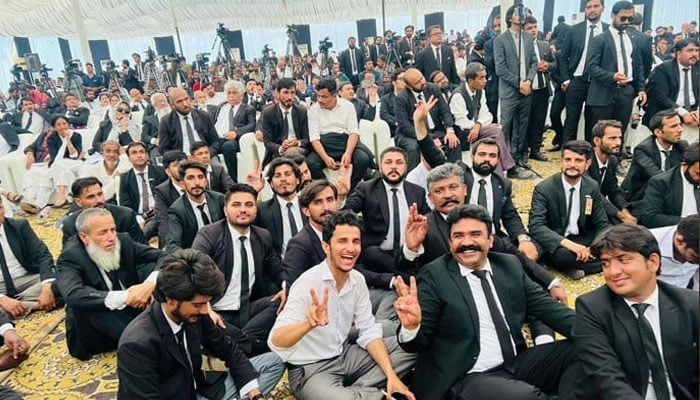
The Sindh Bar Council (SBC) on Monday strongly condemned a Pakistan Bar Council resolution which called for the cessation of the ongoing lawyers’ protest against the proposed construction of six canals on the Indus River and allotment of state land for corporate farming.
Adopting a resolution, SBC vice chairman Shafqat Rahim Rajput, SBC former vice chairman Haider Imam Rizvi and 22 other members also condemned the SBC’s April 27 resolution which echoes the same call.
They said that no such meeting was convened nor was any such resolution circulated among the members for consideration or approval, adding that the purported resolution does not reflect the will or stance of the SBC.
They said that construction of six canals on the Indus River system and allotment of state land for corporate farming would pose a great threat to already precarious water situation in Sindh, jeopardizing the livelihoods of millions and the ecological balance of the Sindh.
SBC members said that they stand firmly with the Sindh lawyers’ action committee and fully commit to support and actively participate in ongoing struggle against the detrimental project in accordance with the decisions taken by the Sindh lawyers’ action committee.
They said they believed that it is their duty to stand with the people of Sindh in protecting their fundamental rights and resources. They demanded the Pakistan Bar Council and the secretary of the SBC clarify their position and acknowledge that their press releases do not represent the collective view of the legal fraternity, particularly the SBC.
They also demanded from all concerned to respect the democratic right to peaceful protest and to engage in meaningful dialogue to address the genuine concern of the people of Sindh regarding the construction of the six canals project and allotment of state land for corporate farming.
The SBC had earlier issued a resolution signed by its acting secretary appreciating political maturity in resolving the canal issue and asked the all stakeholders, including lawyers and civil society, to cease ongoing protest as the matter had been placed before Council of Common Interests.







-
 Murder Suspect Kills Himself After Woman Found Dead In Missouri
 -
 Sarah Ferguson's Plea To Jeffrey Epstein Exposed In New Files
 -
 Prince William Prepares For War Against Prince Harry: Nothing Is Off The Table Not Legal Ways Or His Influence
 -
 'How To Get Away With Murder' Star Karla Souza Is Still Friends With THIS Costar
 -
 Pal Reveals Prince William’s ‘disorienting’ Turmoil Over Kate’s Cancer: ‘You Saw In His Eyes & The Way He Held Himself’
 -
 Poll Reveals Majority Of Americans' Views On Bad Bunny
 -
 Wiz Khalifa Thanks Aimee Aguilar For 'supporting Though Worst' After Dad's Death
 -
 Man Convicted After DNA Links Him To 20-year-old Rape Case
 -
 Royal Expert Shares Update In Kate Middleton's Relationship With Princess Eugenie, Beatrice
 -
 Andrew Mountbatten-Windsor’s Leaves King Charles With No Choice: ‘Its’ Not Business As Usual’
 -
 Dua Lipa Wishes Her 'always And Forever' Callum Turner Happy Birthday
 -
 Police Dressed As Money Heist, Captain America Raid Mobile Theft At Carnival
 -
 Winter Olympics 2026: Top Contenders Poised To Win Gold In Women’s Figure Skating
 -
 Inside The Moment King Charles Put Prince William In His Place For Speaking Against Andrew
 -
 Will AI Take Your Job After Graduation? Here’s What Research Really Says
 -
 California Cop Accused Of Using Bogus 911 Calls To Reach Ex-partner