
Pakistan’s governance crisis: the urgent need for reform
Key challenge lies in whether the ruling elite is willing to implement changes that could weaken their grip on power
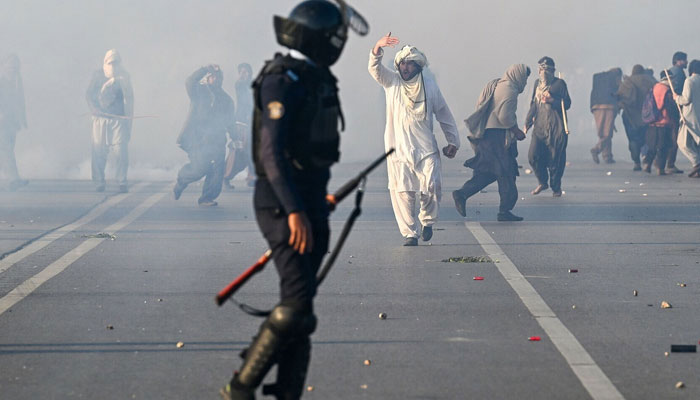
LAHORE: Pakistan’s governance crisis has widened the disconnect between the state and its people. The concentration of power among elites has deepened inequality, fostering the perception of an unjust state.
Historically, governance reforms in Pakistan have only occurred in response to severe crises --S such as the 1998 financial collapse that necessitated nuclear tests and economic restructuring, or the 2008-2013 power crisis that led to new energy policies. Even recent reforms have been driven by the International Monetary Fund (IMF) when Pakistan was on the brink of sovereign default. The government often attempts to dilute the impact of these reforms by negotiating waivers with the IMF on agreed power tariffs, despite the fact that circular debt in the power sector continues to rise.
Governance reforms are crucial for Pakistan’s stability and prosperity. However, the key challenge lies in whether the ruling elite is willing to implement changes that could weaken their grip on power. There is little evidence of strong political will for meaningful reform. Whether civilian politicians, bureaucrats, or the military establishment, Pakistan’s ruling class has historically resisted structural changes that would limit their authority. The system primarily benefits a small group of economic, financial, and political elites, making them reluctant to introduce reforms that could diminish their influence. If the current economic and political instability worsens, reforms may be imposed on the system rather than voluntarily adopted.
As a result of weak governance, Pakistan has struggled with security concerns, including street crime, terrorism, sectarian violence and ineffective policing. Poor enforcement of laws has fostered a general sense of insecurity among citizens. The lack of quality education, healthcare and social welfare has exacerbated inequality and poverty. Public services remain underfunded, with corruption frequently diverting resources intended for development.
Chronic electricity shortages, inadequate public transport and poor urban planning have hindered economic growth and quality of life. The energy crisis, in particular, has severely impacted industrial productivity and daily life. Heavy reliance on foreign loans, a weak tax collection system and the absence of structural reforms have contributed to economic instability, inflation and unemployment. To address these issues and restore public trust, Pakistan needs a comprehensive governance improvement strategy.
Strengthening institutions and rule of law is essential. Judicial and police reforms should ensure swift and impartial justice, free from political influence. Institutions such as the National Accountability Bureau (NAB) must be made independent to prevent their use for political victimisation. Empowering local governments is crucial to bringing governance closer to the people.
Economic governance must also improve. The government should shift away from over-reliance on indirect taxes and instead expand the tax net by taxing previously untaxed elites, including large traders and real estate investors. Bureaucratic hurdles for businesses must be removed, small and medium-sized enterprises (SMEs) should be encouraged, and reliance on elite-backed cartels should be reduced. The elite have little incentive to push for institutional accountability, as the current system enables unchecked power, rent-seeking and patronage politics.
To promote inclusive growth, investment in education and healthcare is essential. The state must reallocate resources from elite-driven projects to essential services that benefit the majority. Industrialisation, agricultural modernisation and IT exports should be prioritised to create employment opportunities.
Electoral transparency reforms are also needed to ensure fair elections and dismantle the monopoly of dynastic politics. Similarly, civil service reforms should eliminate political interference in the bureaucracy and promote merit-based appointments. The state must allow the media and civil society to operate independently, free from state retaliation.
To rebuild public trust, citizens should be actively involved in decision-making through town halls, public forums and digital governance initiatives. Ministers and bureaucrats must be held accountable for service delivery. Security concerns, including street crime, terrorism and border security, should be addressed effectively.
Political parties in Pakistan focus on short-term survival rather than long-term governance reforms. Frequent power struggles and weak democratic traditions hinder meaningful structural changes. Even when a government initiates a reform effort -- such as the PML-N’s tax initiatives or the PTI’s digitalisation push -- the next regime often abandons or reverses it.
Without genuine governance reforms, Pakistan risks further instability. Sustainable progress requires political will, institutional accountability and an inclusive approach to development.







-
 Kylie Kelce Explains Why She Avoids Raising Kids With 'silver Spoon'
 -
 Meghan Markle Is Above Royal Family ‘empty Threats,’ Says Insider
 -
 Anne Hathaway Opens Up About 'defeated' Feeling As Working Mom
 -
 Shamed Andrew Should Testify In Epstein Case As ‘act Of Service’
 -
 What Really Happened Before Nicholas Brendon Was Found Dead At Home?
 -
 Sarah Ferguson Branded ‘most Famous Missing Person’ In UK Right Now
 -
 Why King Charles Does Not Need A Driving License? Expert Reveals
 -
 Did Graham Norton Really Sign NDAs For Taylor Swift’s Wedding?
 -
 ‘Polite’ King Charles Treats Staff Better Than ‘boorish’ Andrew
 -
 Princess Beatrice's Husband Raises Eyebrows With Deleted Instagram Post
 -
 Dua Lipa 'snubs' Priyanka Chopra
 -
 Will Taylor Frankie Paul Still Get Her 'Bachelorette' Salary?
 -
 'Harry Potter' Returns: First Glimpse Of HBO's New Series
 -
 Ryan Gosling Credits His Kids For Key Detail In New Role
 -
 Prince William, Kate Middleton Mark 'historic Moment'
 -
 Why Roberts Pattinson Says Couples 'ruin' Their Big Day Amid Suki Waterhouse Wedding Rumors?