
Dramatic reading of Muhammad Ali Jauhar’s trial at Khaliqdina Hall
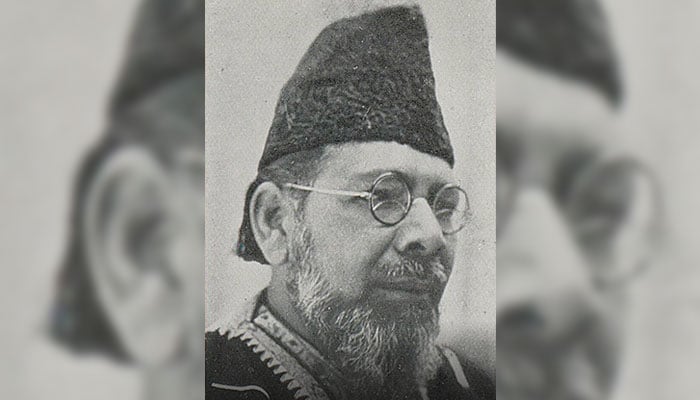
The Reading Room | Karachi on Sunday held a dramatic representation titled Muqadama-e-Azadi Trial of Freedom depicting the famous 1921 trial of sedition at the Khalikdina Hall. The trial showed the case of The Crown versus Maulana Muhammad Ali Jauhar and six other freedom fighters.
The Reading Room is an initiative to revitalise and open up the heritage site as an inclusive, cultural urban retreat, promoting healthy exchanges amongst visitors of different age groups, genders, ethnicities and socio-economic groups.
The Khalikdina Hall and Library was built in 1906 by philanthropist Ghulam Hoosain Khaliqdina in the tradition of the reading room to facilitate local people to engage in literary and recreational activities. The Reading Room | Karachi is a collaboration between the Numaish–Karachi and Karachi Metropolitan Corporation. The project is funded by the British Council’s cultural protection fund in partnership with the British government's department for culture, media and sport.
Maulana Muhammad Ali Jauhar (1878-1931) dedicated his life to achieving freedom from the British rule. His outspoken columns in his newspapers, Comrade and Hamdard, and his public speeches challenged the strong grip of the British Raj in India and inspired his fellow countrymen.
Along with his brother Maulana Shaukat Ali, he spearheaded the Khilafat movement whose aim was to protect the holy places and institutions of Islam. Already having been imprisoned for five years from 1915-1919, he once again faced the wrath of the British government, when he asked the attendees to the Khilafat Committee Conference in Lyari, Karachi to pass a resolution making it unlawful for the Muslims to fight in the British Indian Army in case of wars against other Muslim nations.
He along with seven others were tried for sedation. Seasoned actor Khaled Anam presented the dramatic reading of extracts from the famous trial held at the Khalikdina Hall. The trial, conducted in English, has been skillfully translated into Urdu and dramatised by screenwriter Javed Siddiqi from India.
After having graduated in Urdu Literature from Rampur, Siddiqi moved to Mumbai in 1959, where he worked as a professional journalist. People from different walks of life attended the dramatic representation.







-
 Maya Jama Debuts New Blonde Look During 'Love Island' Run
 -
 Matt Damon Recalls Weird Pitch Of His Upcoming Sci-fi Movie
 -
 Leven Rambin Left 'Fire Country' Due To 'very Important' Reason?
 -
 Trump Orders EU Trade Probe Over $1B Google Fine
 -
 Selena Gomez, Benny Blanco Pack On The Romance During Birthday Getaway
 -
 Bunnie Xo Responds After Jelly Roll’s Daughter Teases ‘truth’ Behind Split
 -
 Over 130,000 Evacuated Across France And Spain As Wildfires Threaten Madrid
 -
 Chris Brown Admits Role In 2023 London Nightclub Altercation
 -
 'The Mask' Director Chuck Russell Passes Away At 68
 -
 Nicole Williams English Drops Bombshell Claim About Khloe Kardashian
 -
 Meta, Nvidia, Microsoft Defend Open-weight AI Against Proposed US Bans
 -
 Diddy Faces Prison Trouble After Inmate Clash
 -
 Luke Wilson Makes Shocking Revelation About ‘Old School’
 -
 Google, Verizon Strike $1 Billion Deal To Boost AI Infrastructure
 -
 Anthropic Rolls Out Opus 5 AI Model
 -
 Jennifer Lopez Offered Personal Condolence To Ben Affleck Over Mother's Death?