
Chatbot vs national security? What’s going on with DeepSeek bans
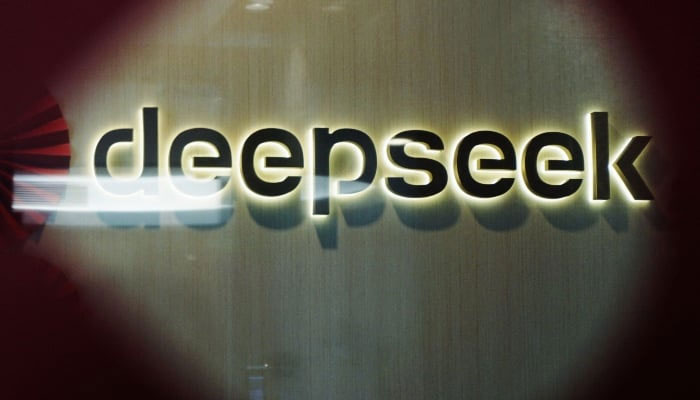
SEOUL: Chinese AI chatbot DeepSeek upended the global industry and wiped billions of US tech stocks when it unveiled its R1 programme, which it claims was built on cheap, less sophisticated Nvidia semiconductors.
But now governments from Washington to Seoul are scrambling to ban the user-friendly Chinese app from official devices, saying they need to prevent potential leaks of sensitive information through generative AI services.
AFP takes a look at what’s going on:
Who has banned DeepSeek?
First to act was Rome, which launched an investigation into DeepSeek and said it was blocking the upstart Chinese app from possessing Italian users’ data. Italy’s Data Protection Authority briefly blocked ChatGPT in 2023.
Next, Taiwan banned workers in the public sector and at key infrastructure facilities from using DeepSeek, saying it was a Chinese product and could endanger national security, with Australia following suit days after. South Korean ministries -- including defence and unification, which oversees ties with the nuclear-armed North -- and the country´s police force all banned the app from military and work computers, citing security risks. US lawmakers also moved to introduce a ‘No DeepSeek on Government Devices Act’, with Congressman Darin LaHood saying the national security threat that “Chinese Communist Party-affiliated company” DeepSeek posed to the United States was “alarming”.
Why are they worried?
In the terms and conditions of DeepSeek, there is a section on the provision of personal data to third parties -- very similar to that used by OpenAI’s Chat GPT.
But while US companies typically resist government requests for data, “in China when the government requests access, companies are legally obligated to provide user data,” said Youm Heung-youl, a data security professor at Soonchunhyang University.
“This distinction between respecting user privacy and providing government access often shapes how countries perceive trust in companies.”
According to DeepSeek’s privacy policy, it also collects information on “key stroke patterns or rhythms” which detect keyboard patterns of how an individual interacts with each button.
Beijing, for its part, says the Chinese government “will never require enterprises or individuals to illegally collect or store data”.
It claims the restrictions do not reflect legitimate national security concerns but highlight “the politicisation of economic, trade and technological issues”, foreign ministry spokesman Guo Jiakun said.
Is this justified?
After Washington expressed concerns about DeepSeek, the move by South Korea to restrict it reflects “both genuine concerns and their knee-jerk reflective response to follow the US line,” said Vladimir Tikhonov, professor of Korea studies at the University of Oslo.







-
 King Charles Will Not Allow Shamed Andrew At His ‘funeral’
 -
 Lewis Hamilton Seemingly Confirms Kim Kardashian Romance
 -
 Queen Elizabeth II Was Most ‘iconic’ Royal To Photograph, Says Expert
 -
 Why Jamie Lee Curtis Says Timothee Chalamet's Opera Controversy 'is Going To Happen To All Of Us'?
 -
 Princess Beatrice, Eugenie To Take Their ‘married Names’ For Quitting Royal Titled
 -
 Teyana Taylor Responds After Reaction To Amy Madigan's Win Goes Viral: 'Miserable Hearts Forget The Face Of Happiness'
 -
 Queen Camilla Facialist Spills Top Beauty Secret
 -
 Michael B. Jordan Old Snap With Drake Resurfaces After His 2026 Oscars Win
 -
 Apple Rolls Out New AirPods Max Headphones With Advanced Features, Including 'Live Transmission'
 -
 King Charles Makes Surprising Move During Visit In Manchester
 -
 Kylie Jenner Gets ‘cold Shoulder’ From Timothée Chalamet Sisters
 -
 Encyclopedia Britannica Sues OpenAI Over Alleged Use Of Its Content For AI Training
 -
 Jane Fonda Teases Barbra Streisand Over Robert Redford Tribute: 'I Have More To Say'
 -
 'Love Island' Fans Connect The Dots After Samie Elishi Confirms Relocation Plans After Split: 'She Did It Just To Promote Her Perfume'
 -
 President Trump Reveals Good News About GOP Lawmaker Neal Dunn Whom He 'liked'
 -
 Meghan Markle Mistake As Aussies Are ‘miffed’ Over Royal Tour