
Efficiency and equity
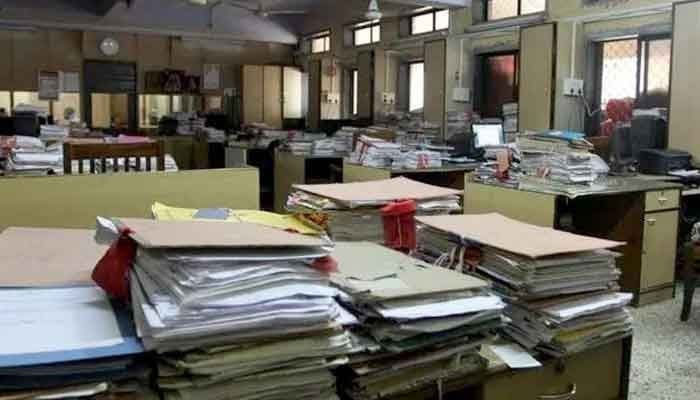
LAHORE: While economic efficiency is often seen as a cornerstone of progress, it should not be the sole measure of success. Trade-offs that prioritise equity, resilience or environmental sustainability often lead to inefficiencies that serve broader societal goals.
In Pakistan, economic inefficiencies stem from various factors. While some result from deliberate efforts to promote fairness and social equity, others arise from political motivations, governance challenges and systemic weaknesses.
On the positive side, some inefficiencies reflect genuine attempts to address inequalities and achieve developmental objectives. For instance, subsidies on wheat, sugar, electricity and fuel aim to make these essentials affordable for low-income households, despite the inefficiencies they introduce. Similarly, initiatives like the Benazir Income Support Programme (BISP), which provides cash assistance to low-income families, may face administrative challenges but demonstrate a commitment to poverty alleviation. Investments in underdeveloped regions, such as Balochistan and interior Sindh, may yield lower immediate returns but are crucial for reducing regional disparities.
However, many inefficiencies in Pakistan are politically motivated rather than rooted in a genuine concern for fairness. Governments often prioritise policies and projects that serve political allies or influential groups, undermining economic efficiency and fairness. For instance, subsidies or bailouts for industries owned by powerful individuals frequently prioritise political gains over economic benefits.
State-owned enterprises (SOEs) like Pakistan Steel Mills and Pakistan International Airlines (PIA) suffer from inefficiencies due to overstaffing, often driven by political pressures to provide jobs rather than enhance operational performance. Agricultural subsidies and tax exemptions disproportionately benefit large landowners and industrialists, reflecting elite influence rather than equitable policymaking.
Large infrastructure projects, such as motorways or power plants, are sometimes initiated in politically significant regions to secure votes, even when their economic feasibility is questionable. Corruption, bureaucratic inefficiencies and short-term political considerations often derail policies aimed at equity, wasting resources and undermining long-term goals.
Politically motivated inefficiencies harm the economy by misallocating resources, increasing debt without meaningful development outcomes, and distorting markets -- manifesting in recurring shortages of essentials like sugar and wheat.
Globally, prudent policymakers trade off efficiency for broader goals such as fairness, sustainability, and resilience. Subsidies for healthcare, education and public transportation, while economically inefficient, ensure equitable access to essential services, reduce inequality and foster social cohesion.
Transitioning to renewable energy sources like solar or wind may initially be less efficient due to higher costs and technological challenges. However, this choice reflects a commitment to environmental sustainability and long-term climate resilience.
Supporting labour-intensive industries, such as textiles or handicrafts, may not be as efficient as mechanised production, but it creates employment for marginalised populations. Similarly, maintaining reserves of critical resources, though inefficient in purely economic terms, ensures resilience against supply chain disruptions, natural disasters or geopolitical crises.
Investments in traditional industries or cultural heritage preservation may yield modest economic returns but enrich societal identity and support marginalized communities. Imposing strict regulations on industries for food safety or workplace safety increases costs but underscores societal priorities for health and well-being.
Infrastructure development in sparsely populated rural areas, though less efficient than urban-focused investments, fosters balanced national growth and reduces regional disparities.
Balancing efficiency with equity and sustainability requires policymakers to adopt a holistic approach. Inefficiencies are not always negative -- they can reflect societal values and long-term priorities. For Pakistan, addressing political distortions while embracing constructive trade-offs is key to achieving inclusive and sustainable development.







-
 Leonardo DiCaprio's Girlfriend Vittoria Ceretti Given 'greatest Honor Of Her Life'
 -
 Beatrice, Eugenie’s Reaction Comes Out After Epstein Files Expose Their Personal Lives Even More
 -
 Will Smith Couldn't Make This Dog Part Of His Family: Here's Why
 -
 Kylie Jenner In Full Nesting Mode With Timothee Chalamet: ‘Pregnancy No Surprise Now’
 -
 Laura Dern Reflects On Being Rejected Due To Something She Can't Help
 -
 HBO Axed Naomi Watts's 'Game Of Thrones' Sequel For This Reason
 -
 King Charles' Sandringham Estate Gets 'public Safety Message' After Andrew Move
 -
 Lewis Capaldi Sends Taylor Swift Sweet Message After 'Opalite' Video Role
 -
 Brooklyn Beckham Plunges Victoria, David Beckham Into Marital Woes: ‘They’re Exhausted As It Seeps Into Marriage
 -
 Sarah Ferguson Joins Andrew In ‘forcing’ Their Daughters Hand: ‘She Can Lose Everything’
 -
 'Bridgerton' Author Reveals If Actors Will Be Recast In Future Seasons
 -
 50 Cent Super Bowl Ad Goes Viral
 -
 'The Housemaid' Lifts Company's Profits: Here's How
 -
 Michael Douglas Recalls Director's Harsh Words Over 'Wall Street' Performance
 -
 Henry Czerny On Steve Martin Created Humor On 'Pink Panther' Set
 -
 Lady Victoria Hervey: Andrew Mountbatten-Windsor's Ex-girlfriend Proud Of Being On Epstein Files