
KCCI urges SBP to cut policy rate by 400bps
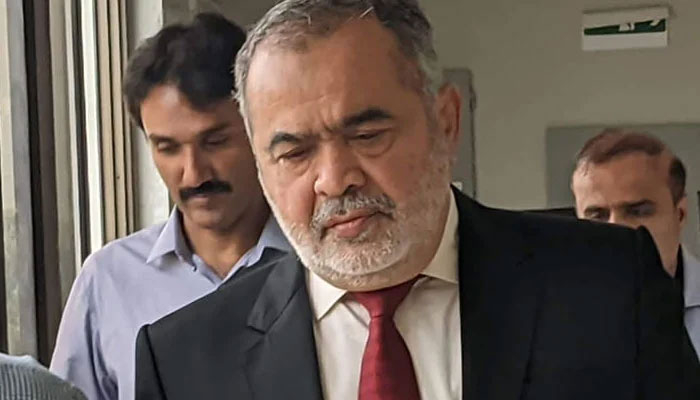
KARACHI: President of the Karachi Chamber of Commerce and Industry (KCCI) Muhammad Jawed Bilwani has urged the State Bank of Pakistan (SBP) to reduce its policy rate by 400 basis points (bps), citing the recent decline in inflation to a multi-year low of 4.86 per cent in November 2024.
In a statement on Thursday, Bilwani argued that a significant rate cut would not only bring real interest rates closer to sustainable levels but also make borrowing more affordable for businesses and consumers, thereby stimulating economic activity. He said that lower interest rates align with global best practices, where central banks utilise rate adjustments to foster growth during periods of low inflation.
He noted that while the SBP has reduced the policy rate from 20.5 per cent to 15 per cent since the beginning of the current fiscal year, it remains considerably higher than those of regional peers such as India (6.5 per cent), Vietnam (4.5 per cent) and Bangladesh (10 per cent). This, he asserted, continues to suppress private sector credit growth and stifle economic activity, placing Pakistan at a competitive disadvantage.
Bilwani highlighted that credit to the country’s private sector has reached one of the lowest levels among emerging markets, accounting for only 12 per cent of GDP in 2023, significantly lagging behind India (50.1 per cent), Turkiye (50.3 per cent) and Bangladesh (37.6 per cent).
This growing gap between public and private sector lending hinders private sector access to credit. As of October 2024, the private sector received only 24.7 per cent of total credit, down from 28.1 per cent in January 2023, while public sector borrowing now accounts for a disproportionate 75.3 per cent.
While acknowledging the government’s efforts in stabilising the economy, reflected in the reduction of the current account deficit and the strong performance of the stock market (with the KSE-100 index surging 77.5 per cent since January 2024), Bilwani expressed concern over the decline of the Large-Scale Manufacturing Index (LSMI) by 0.76 per cent during July-September 2024 compared to the same period in FY24. He attributed this to the continued strain of high interest rates, which elevate borrowing costs, limit credit access and impose excessive collateral requirements on businesses.
Per Bilwani, high interest rates have driven the country’s domestic debt servicing costs to unsustainable levels. In FY24, domestic debt servicing surged by 50.4 per cent, from Rs4.8 trillion to Rs7.2 trillion, placing significant pressure on the national budget and widening fiscal imbalances.Bilwani stressed that a significant rate cut is now crucial to ease the burden on the real economy and fiscal front, unlock private sector credit and stimulate new investment.


