
HOTA suspends kidney transplants at Islamabad private hospital over violations
Thousands die annually from chronic kidney disease in Pakistan, due lack of organ transplant programme
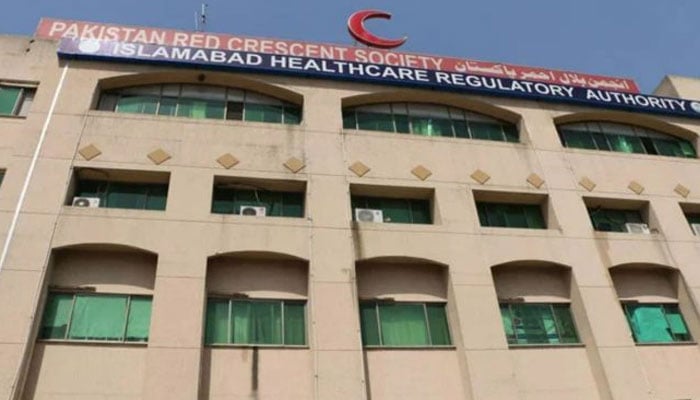
ISLAMABAD: A day after the Islamabad Healthcare Regulatory Authority (IHRA) directed that no kidney transplant procedure could be conducted without its prior approval anymore, the Human Organ Transplant Authority (HOTA) suspended the kidney transplant programme at a private hospital in the capital city. The action was taken due to the hospital’s failure to form an Evaluation Committee, as required by the HOTA Act, 2010.
The private health facility, along with another hospital, is allegedly involved in performing unrelated, illegal kidney transplants using fabricated data and reports. The transplant programme was specifically suspended for violating regulations concerning the formation of mandated committee.
Thousands of people die annually from chronic kidney disease in Pakistan, exacerbated by the lack of a deceased-donor organ transplant programme. In the absence of this option, many patients seek kidneys through illegal networks involving private hospitals, labs and organized groups, further highlighting the urgent need for stricter oversight.
The suspension followed an investigation launched by the Ministry of National Health Services, Regulations, and Coordination (MoNHSRC) into illegal kidney transplants involving unrelated donors. HOTA administrator, acting on ministry directives, suspended all transplant activities at the private hospital and established an inquiry committee tasked with investigating reported irregularities.
The committee has been directed to submit its findings at the earliest, along with recommendations for disciplinary actions against those involved in unlawful approvals. A spokesperson for HOTA confirmed that the suspension at the private hospital would remain in effect until the hospital fully complies with regulatory requirements. Tensions have surfaced between HOTA and IHRA regarding regulatory jurisdiction. The federal health ministry officials clarified that HOTA is solely responsible for overseeing organ transplantation in Islamabad. They emphasized that IHRA’s role is limited to investigating malpractice in healthcare facilities, not interfering in HOTA’s domain. Officials said the health ministry had referred 22 cases of unrelated kidney transplants to IHRA for evaluation, which uncovered significant lapses in HOTA’s approval processes.
Despite these revelations, HOTA officials reiterated their mandate to regulate organ transplants and announced plans to strengthen oversight mechanisms to prevent future violations.
The two private hospitals in Islamabad have come under scrutiny for allegedly conducting unrelated kidney transplants linked to illegal organ trade. Investigations suggest that these transplants were approved based on manipulated documentation and fabricated medical reports. Unrelated kidney transplants, where donors and recipients are not biologically linked, are particularly prone to abuse. Experts note that such cases often involve financially disadvantaged individuals coerced into selling their organs, raising ethical and legal concerns about exploitation and patient safety. To address these challenges, HOTA has directed all hospitals registered as transplant centres in Islamabad to establish Evaluation Committees, whose composition must be approved by HOTA. Hospitals failing to comply with these directives will face immediate suspension of their transplant programmes. IHRA, in collaboration with HOTA, has been tasked with compiling a list of qualified laboratories to conduct essential medical tests for donors and recipients. Mechanisms for verifying documentation and identifying eligible donors are also being developed to restore integrity to the organ transplantation process. The federal health authorities emphasized that these reforms aim to restore public trust in organ transplantation services and safeguard patient welfare. By cracking down on illegal practices and enhancing oversight, the government seeks to uphold ethical medical standards and protect vulnerable populations from exploitation.


