Creators push ‘human-made’ labels as AI content floods internet
As AI blurs authenticity online, creatives seek ways to prove their work is real
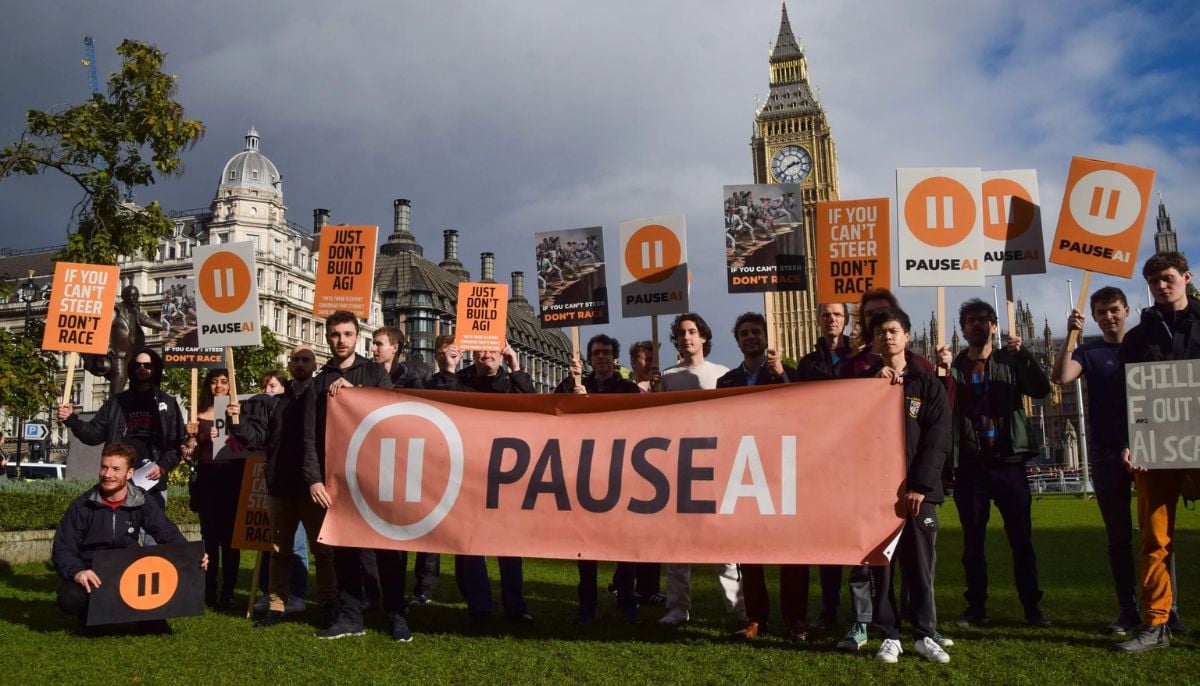
A growing wave of artificial intelligence-generated content is forcing creatives to confront an uncomfortable reality: audiences can no longer easily tell what is made by humans and what is not.
The phrase "this looks like AI" has become increasingly common online, which shows that users now doubt the technology because generative tools create text and images and audio and video content that resembles human-produced work.
In response, some creators and industry figures now call for a new solution which consists of labels that certify content as human-made.
The idea is gaining traction. Instagram Head Adam Mosseri suggested that authentic content verification would prove more effective than AI detection because current technological advancements make it difficult to identify artificial intelligence content.
The concept mirrors familiar certification systems like 'Fair Trade' or 'Organic' labels, which offer audiences a simple way to identify content created by real people. For many creatives, the motivation is clear because they want to separate their work from the rising competition created by automated systems which dominate the digital realm.
However, building a reliable system has proven difficult.
An existing standard known as C2PA was designed to provide content credentials and verify origins. Despite support from major tech companies, its impact has been limited, partly because some creators and platforms have little incentive to disclose AI involvement.
In the absence of a universal standard, a range of alternatives has emerged. Projects like Not by AI, Proudly Human, and Made by Human attempt to certify content across different formats, from writing and art to video and music.
Yet these solutions face a common problem: credibility. Some rely on self-reporting, while others use manual verification or AI detection tools, which are often unreliable. In many cases, proving something is entirely human-made requires labour-intensive processes such as reviewing drafts, sketches, or creative workflows.
The definition of human-made continues to become more complicated because its boundaries are now harder to establish. The use of AI tools in standard creative software has created a situation where designers cannot distinguish between human input and machine assistance.
Experts predict that we have reached a new period of hybrid content creation which combines human artistic development with machine learning support.
The transition from one system to another creates three essential problems which need solutions because all original work and its authentic components require examination. The first question arises when a creator uses AI tools for idea development but creates all work through manual methods. The second question requires development of methods to prove such results.
Some emerging solutions are turning to blockchain technology to address these concerns, offering digital certificates that track and verify a creator’s work history. Advocates argue this system provides a better method for establishing authenticity because it creates safer and more open verification processes.


-
 Nvidia eyes major investment in Figure AI robotics: Here’s what to know
 -
 Google opens SynthID detector: Here’s how it can spot AI-generated media
 -
 Microsoft, Nvidia CEOs unveil breakthrough AI laptop at San Francisco event
 -
 ChatGPT faces new teen safety warning: What to know
 -
 Surface Ultra likely to launch at Microsoft October event: What to expect
 -
 Claude can now edit your Google Docs without leaving file
 -
 Jamie Dimon warns Anthropic Mythos sent AI cyber risk up ‘10-fold’
 -
 US politician slams Sam Altman over 'accept some bad things happening' remark
-
 Italy antitrust regulator opens investigation into AI music startup Suno
 -
Smart glasses face bans over privacy concerns: Full list of countries
-
Mistral AI new model beats Chinese competitors in cybersecurity, claims CEO
-
UK regulator probes Meta over child safety risks in Instagram's 'Instants' feature