
‘Terrorism — a common enemy of Pakistan, Afghanistan’
Islamabad : Dr Qibla Ayaz, a member of the Shariat Appellate Bench, has said that respect for writ of the state is the prerequisite for any dialogue or negotiation between the state and group or individual.
Qibla Ayaz made these remarks during the 5th round of Pak-Afghan Religious Scholars Dialogue organised here by Centre for Research and Security Studies (CRSS).
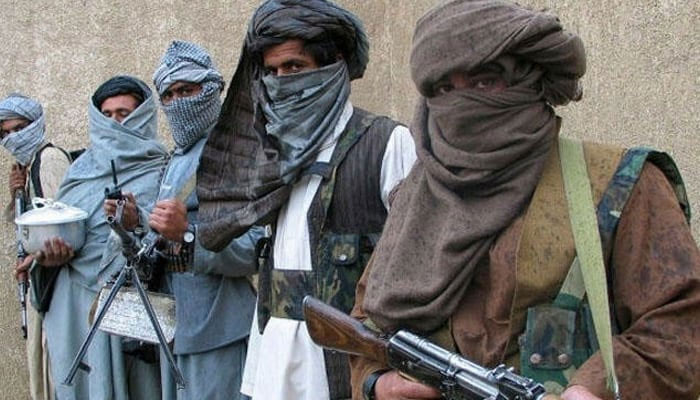
Dr Ayaz said that no state negotiates with terrorists. Tehreek-e Taliban Pakistan (TTP) - declared as Fitna al Khawarij - by the government of Pakistan has contributed to severe violence in the country including attacks on civilians and community elders and security forces. While the TTP’s presence in Afghanistan is an acknowledged reality, Pakistani stakeholders believe that the Taliban government could play a constructive role in addressing this threat to Pakistan’s national security and its relationship with Afghanistan.
He highlighted that internationally accepted educational models such as Indonesia’s could be adapted in Afghanistan to provide a curriculum that aligns with both sharia guidelines and modern standards without requiring an extensive overhaul. This approach was suggested as a pragmatic response to the complexity of revising hundreds of books. The Afghan government must consider the international asks on the matters of girls and women rights to work and education, reversing restrictions on their fundamental rights can actually pave way for their recognition by the global communities including states and citizens, whereas conditioning education on international recognition will create more obstacles to the acceptance and might even risk reducing international aid and support to the country already undergoing severe humanitarian crisis.
The participants acknowledged that terrorism is a common threat and underlined counter-terrorism cooperation between two sides to jointly tackle the threats to both sides’ national as well as regional security. They appreciated the initiatives like Iqra in Kabul and Aazmaish in Kunduz and suggested to resume education for girls and women while replicating these models of education successfully running in Afghanistan to bridge the gap between the opportunities for education on offer by the state and educational needs of the female members of community. The participants suggested to build special economic zones and create and provide opportunities for participation in the economic activities in border regions between Pakistan and Afghanistan. The absence of such provisions and opportunities makes the youth in the region ever more vulnerable to the influence of extremist groups always ready to thrive on the unemployment and poverty.







-
 JoJo Siwa Shares Inspiring Words With Young Changemakers
 -
 James Van Der Beek Loved Ones Breaks Silence After Fundraiser Hits $2.2M
 -
 Disney’s $336m 'Snow White' Remake Ends With $170m Box Office Loss: Report
 -
 Travis Kelce's Mom Donna Kelce Breaks Silence On His Retirement Plans
 -
 Premiere Date Of 'Spider-Noir' Featuring Nicolas Cage Announced
 -
 Pedro Pascal's Sister Reveals His Reaction To Her 'The Beauty' Role
 -
 Kate Middleton Proves She's True 'children's Princess' With THIS Move
 -
 Paul Anka Reveals How He Raised Son Ethan Differently From His Daughters
 -
 'A Very Special Visitor' Meets Queen Camilla At Clarence House
 -
 Jodie Turner Smith Shares One Strict Rule She Follows As A Mom
 -
 Hailey Bieber Reveals KEY To Balancing Motherhood With Career
 -
 Photo Of Jay-Z, Other Prominent Figures With Jeffrey Epstein Proven To Be Fake
 -
 Hillary Clinton's Munich Train Video Sparks Conspiracy Theories
 -
 Fans Slam Talk Show Host For 'cringe' Behavior In Chris Hemsworth Interview
 -
 Woman Jailed Over False 'crime In Space' Claim Against NASA Astronaut
 -
 James Van Der Beek’s Close Pal Reveals Family's Dire Need Of Donations