
The role of observer states in SCO
These states, not full members, contribute to SCO's overarching goals, enhancing regional dialogue and cooperation
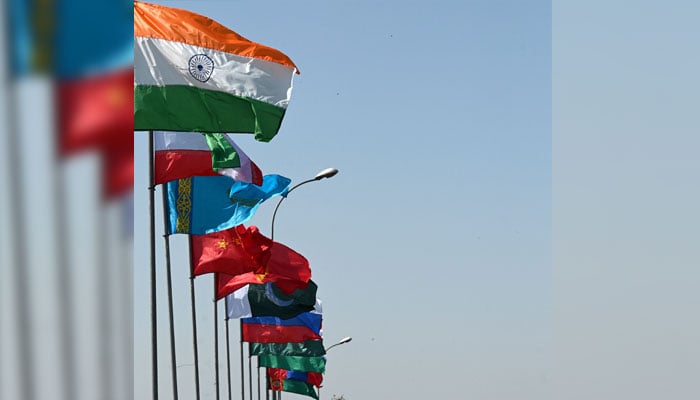
The Shanghai Cooperation Organization (SCO), founded in 2001, has emerged as a pivotal platform for multilateral cooperation among its member states in addressing critical issues of regional security, economic collaboration, and cultural exchange. Among its diverse membership, the role of observer states-such as Afghanistan, Belarus, and Mongolia-has gained increasing importance. These states, not full members, significantly contribute to the SCO's overarching goals, enhancing regional dialogue and cooperation.
Observer states: A strategic addition
Observer states play a crucial role in expanding the SCO's influence and fostering an inclusive approach to regional issues. The inclusion of Afghanistan, Belarus, and Mongolia as observers has facilitated a broader dialogue, allowing the SCO to address regional challenges more effectively.
Afghanistan: A central player in regional stability
Afghanistan, situated at the crossroads of Central and South Asia, holds a unique position within the SCO framework. As an observer state, Afghanistan has participated in dialogues focusing on counterterrorism and drug trafficking-issues that pose significant threats to both Afghanistan and its neighboring countries.
The SCO has consistently emphasised the need for a coordinated approach to combat terrorism and radicalisation in Afghanistan. In 2021, during a ministerial meeting, member states expressed their commitment to working with Afghanistan to ensure stability and prevent the resurgence of extremist groups.
Belarus: Strengthening economic ties
Belarus, an observer state since 2015, brings its unique geopolitical position and economic ties to the SCO. The country's involvement in the organization is aligned with its broader foreign policy goals of enhancing economic cooperation with Eurasian partners. Belarusian President Alexander Lukashenko has expressed interest in leveraging the SCO as a platform for increasing trade and investment, particularly in sectors such as agriculture and technology.
Belarus's participation in SCO discussions allows for the exploration of potential partnerships that can bolster regional economic integration. The SCO has identified trade facilitation and economic collaboration as essential components of its agenda, and Belarus's strategic location offers significant logistical advantages for connecting member states.
Mongolia: Bridging east and west
As an observer since 2012, Mongolia has actively participated in various SCO forums, promoting initiatives focused on sustainable development and regional connectivity.
Mongolia's contributions to the SCO are particularly evident in its advocacy for sustainable practices and environmental protection. The nation has been a proponent of integrating ecological considerations into regional development strategies, reflecting the SCO's growing focus on climate change and sustainability.
The active participation of observer states in the Shanghai Cooperation Organization (SCO) serves to foster dialogue and cooperation among member states. Their involvement encourages the exchange of ideas and best practices, addressing common challenges through collaborative efforts. This dialogue is especially critical in an era marked by rising geopolitical tensions and security threats. Consequently, the inclusion of observer states in SCO discussions enhances the organization's ability to address transnational challenges effectively. By working together, member states and observers can create a unified front against issues such as terrorism, drug trafficking, and environmental degradation. This collective approach is vital for ensuring the long-term stability and security of the region.
Moreover, the presence of observer states contributes significantly to discussions on economic collaboration, allowing for a more comprehensive understanding of regional markets and opportunities. Their participation can lead to the establishment of trade agreements and investment partnerships that benefit both member and observer states alike. Thus, the SCO is better positioned to explore new economic avenues and enhance mutual prosperity.
Furthermore, as the SCO expands its influence, the involvement of observer states helps the organization extend its reach beyond its core membership. This broader engagement can attract additional countries to consider observer status or even full membership, thereby further enhancing the SCO's role in global governance. By inviting more nations into its fold, the SCO strengthens its capacity to address various regional and international issues.
The role of observer states in the SCO is integral to the organization's objectives of fostering regional dialogue and cooperation. Afghanistan, Belarus, and Mongolia each contribute unique perspectives and capabilities, enriching discussions on security, economic collaboration, and sustainable development. As the SCO continues to evolve, the active participation of observer states will be crucial in addressing regional challenges and enhancing the organization's relevance on the global stage. Ultimately, the collective efforts of member and observer states can pave the way for a more stable, prosperous, and interconnected Eurasia, underscoring the importance of inclusivity in multilateral dialogue.


