
Awareness about dengue, DHF and DSS can play role in prevention and control
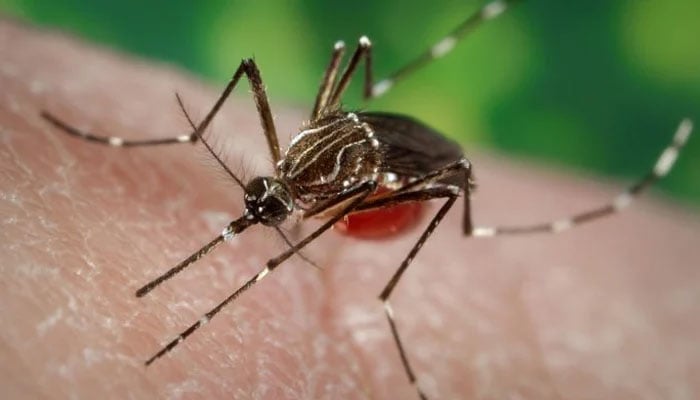
Rawalpindi: The incidences of Dengue Shock Syndrome (DSS) and Dengue Haemorrhagic Fever (DHF) have been recording a great increase this year among patients of dengue fever being tested positive here in this region of the country and it is alarming that well over 49 per cent of all patients tested positive for dengue fever here at the three teaching hospitals in town suffered either from DHF or DSS.
Experts believe that that proper awareness among public on what actually the dengue fever, DHF and DSS are how these may be avoided can play a vital role in prevention and control of the infection and can play a significant role in minimizing the losses caused by the disease. Anyone developing symptoms of dengue fever should immediately report to the nearest healthcare facility and should not take the case lightly.
Dengue fever, DHF and DSS known as viral haemorrhagic fevers are caused by the bite of female mosquitoes namely ‘aedes aegypti’ and aedes albopictus’. Treatment of dengue fever involves no ideal treatment rather supportive treatment is provided to a suspected and as well as a confirmed patient of the disease. There is no vaccine available for the treatment of dengue fever and people should avoid going to quacks who claim of having any vaccine for the infection’s treatment.
Dengue infection (fever) appears in three different pictures namely classic dengue fever, dengue haemorrhagic fever and dengue shock syndrome. Dengue fever is characterized by symptoms including sudden onset of fever, headache, rashes, nausea, vomiting, generalized weakness and fatigue, myalgias (muscular pains), arthralgia (pains in joints of body) and rigors (severe feeling of cold). It is believed that more than 90 per cent patients showing these symptoms achieve cure while five to 10 percent may advance to dengue haemorrhagic fever in which epistaxis (nasal bleeding) and purpura (bleeding from gums) appears.
If the bleeding in dengue haemorrhagic fever could not be stopped and the condition gets severe, the patient enters Dengue Shock Syndrome. The DHF is characterized by bleeding from gums or skin while DSS, a rare complication of dengue fever and a more fatal form of the infection occurs most often in small children and elderly adults usually by day 3-5 of the fever. Generally, uncontrolled bleeding distinguishes DSS from uncomplicated dengue fever. Experts say that such patients should be immediately referred to a good hospital for further management.







-
 James Van Der Beek's Friends Helped Fund Ranch Purchase Before His Death At 48
 -
 King Charles ‘very Much’ Wants Andrew To Testify At US Congress
 -
 Rosie O’Donnell Secretly Returned To US To Test Safety
 -
 Meghan Markle, Prince Harry Spotted On Date Night On Valentine’s Day
 -
 King Charles Butler Spills Valentine’s Day Dinner Blunders
 -
 Brooklyn Beckham Hits Back At Gordon Ramsay With Subtle Move Over Remark On His Personal Life
 -
 Meghan Markle Showcases Princess Lilibet Face On Valentine’s Day
 -
 Harry Styles Opens Up About Isolation After One Direction Split
 -
 Shamed Andrew Was ‘face To Face’ With Epstein Files, Mocked For Lying
 -
 Kanye West Projected To Explode Music Charts With 'Bully' After He Apologized Over Antisemitism
 -
 Leighton Meester Reflects On How Valentine’s Day Feels Like Now
 -
 Sarah Ferguson ‘won’t Let Go Without A Fight’ After Royal Exile
 -
 Adam Sandler Makes Brutal Confession: 'I Do Not Love Comedy First'
 -
 'Harry Potter' Star Rupert Grint Shares Where He Stands Politically
 -
 Drama Outside Nancy Guthrie's Home Unfolds Described As 'circus'
 -
 Marco Rubio Sends Message Of Unity To Europe