
Lack of awareness blamed for delayed breast cancer detection
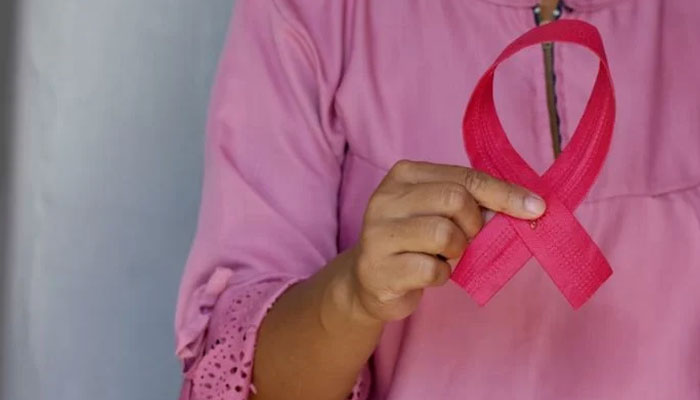
Islamabad : Head of the Department of Oncology at the Nuclear Medicine, Oncology and Radiotherapy Institute hospital in Islamabad Dr. Humaira Mahmood has said breast cancer is the most prevalent form of cancer, affecting one in every eight women.
She informed the visiting women parliamentarians that the country had a significantly lower rate of early detection compared to Western nations due to a lack of awareness, poverty, and cultural barriers. Director of NORI hospital Dr. Muhammad Faheem said the health centre was established in 1983 by the Pakistan Atomic Energy Commission and it served over 18 million people and continues to be at the forefront of cancer treatment in the region.
He said with 19 PAEC hospitals across the country and support from provincial, private, and armed forces hospitals, the NORI's healthcare system remained dedicated to combating cancer and supporting affected families. Women’s Parliamentary Caucus Secretary Shahida Rehmani, who led visitors to the hospital, stressed the urgent need for effective awareness campaigns, particularly for encouraging early breast cancer detection, to help reduce the alarming number of cases. They expressed their commitment to amplifying awareness on breast cancer and acknowledged the efforts of NORI hospital in providing comprehensive cancer care.
The women MPs praised the hospital’s provision of diagnostic and treatment services, including chemotherapy, radiotherapy, and surgical interventions. They voiced concern about the rising incidence of breast cancer after learning that in 2023 alone, NORI treated 10,198 breast cancer patients.
The visitors, including Dr. Shahida Rehmani, Aasia Ishaque Siddiqui, Dr. Shazia Sobia Aslam Soomro, and Husna Bano, reiterated WPC’s commitment to standing with institutions like NORI to advocate for stronger healthcare policies and support mechanisms to address the growing burden of breast cancer in Pakistan. They said as part of Breast Cancer Awareness Month, the WPC would collaborate with more healthcare institutions, civil society, and media to promote early detection and facilitate better healthcare outcomes for women across the country.







-
 King Charles Is ‘clearly Worried’ Andrew Has Tarnished Royal Image
 -
 Royal Family Loses 'loyal' Worker After King Charles Disliked His Work?
 -
 James Van Der Beek's Quiet Sacrifice Before Death Comes To Light
 -
 Suspect Kills Six Across Florida Before Taking His Own Life
 -
 AI Helps Researchers Identify 2,000-year-old Roman Board Game Stone
 -
 Inside Kate Middleton, Prince William’s Nightmare Facing Andrew Mountbatten-Windsor
 -
 Margaret Qualley Shares Heartfelt Confession About Husband Jack Antonoff: 'My Person'
 -
 Savannah Guthrie Shares Sweet Childhood Video With Missing Mom Nancy: Watch
 -
 Over $1.5 Million Raised To Support Van Der Beek's Family
 -
 Paul Anthony Kelly Opens Up On 'nervousness' Of Playing JFK Jr.
 -
 Diana Once Used Salad Dressing As A Weapon Against Charles: Inside Their Fight From A Staffers Eyes
 -
 Video Of Brad Pitt, Tom Cruise 'fighting' Over Epstein Shocks Hollywood Fans
 -
 Jelly Roll's Wife Bunnie Xo Talks About His Huge Weight Loss
 -
 Margot Robbie Reveals Why She Clicked So Fast With Jacob Elordi
 -
 Piers Morgan Praised By Ukrainian President Over 'principled Stance' On Winter Olympics Controversy
 -
 Halsey's Fiance Avan Jogia Shares Rare Update On Wedding Planning