
The cost of inaction
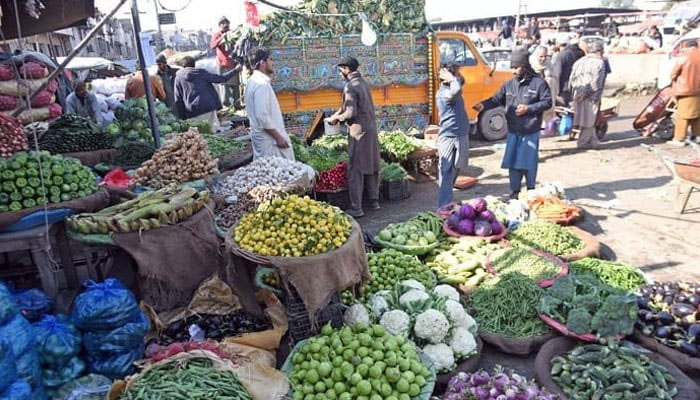
LAHORE: Pakistan’s economy has consistently demonstrated resilience in the face of adversity, but the state’s failure to implement reforms and take corrective actions after each crisis has made the country increasingly vulnerable, even to mild shocks.
The economy’s resilience is driven by factors such as a large domestic market, a growing youth population, robust remittance inflows and a substantial informal sector, which cushions the economy during crises. However, the failure to formalize the informal sector has significantly reduced the state’s revenue.
Reliance on external borrowing, due to insufficient domestic revenue generation, is one of Pakistan’s key vulnerabilities. Persistent political instability and a heavy dependence on energy imports and other essential goods add to these vulnerabilities.
Informality in the economy remains entrenched due to several unaddressed issues. The high cost of formalization -- driven by regulatory burdens like taxes, licenses, and compliance costs -- discourages businesses from entering the formal sector. Informal businesses also face challenges in accessing formal credit markets, yet they continue to operate under more flexible, albeit informal, financial arrangements.
A weak regulatory framework, which lacks effective enforcement mechanisms, allows informal businesses to thrive without facing penalties. Additionally, low public trust in government institutions further discourages businesses from formalizing their operations.
Bureaucrats, who are the permanent face of government, often operate with little transparency. Key reforms needed in the bureaucracy include merit-based appointments and promotions, free from political interference, to ensure competent individuals are in leadership positions. The adoption of technology to track decisions and spending would help reduce corruption, while independent agencies that can audit, investigate, and hold bureaucrats accountable are also critical. Ensuring public access to government records would promote transparency.
It is naive to assume that informality does not benefit large domestic businesses -- it does, in multiple ways. Formal businesses often avoid paying full taxes by keeping part of their operations informal, which reduces their cost base. These companies frequently employ informal labour, which is cheaper and less regulated, allowing them to bypass labour laws. By leveraging informal channels, larger businesses can suppress competition and reduce operating costs in ways that smaller, formal businesses cannot.
Smuggling is a major component of the informal economy in Pakistan. Although it is often argued that Pakistan’s long, porous borders with its neighbours facilitate smuggling, India has managed to control smuggling despite its longer borders, thanks to better border management. India has heavily invested in border security infrastructure and technology, such as fencing and surveillance systems.
Indian customs and law-enforcement agencies impose stringent penalties on smugglers, discouraging these activities. Above all, India has shown a consistent political commitment to tackling smuggling, supported by coordinated efforts among various agencies.
Smuggling is rampant in Pakistan, not only due to porous borders and challenging terrain along the Afghan and Iranian borders but also because of corruption and under-resourced agencies that allow smuggling networks to flourish. Smugglers offer cheaper alternatives to heavily taxed or restricted goods, fuelling demand. Moreover, the different agencies involved in border management in Pakistan often operate in isolation, hindering effective control. Political will to combat smuggling is largely absent, with some politicians openly protecting smugglers.







-
 Blac Chyna Reveals Her New Approach To Love, Healing After Recent Heartbreak
 -
 Royal Family's Approach To Deal With Andrew Finally Revealed
 -
 Super Bowl Weekend Deals Blow To 'Melania' Documentary's Box Office
 -
 Meghan Markle Shares Glitzy Clips From Fifteen Percent Pledge Gala
 -
 Melissa Jon Hart Explains Rare Reason Behind Not Revisting Old Roles
 -
 Meghan Markle Eyeing On ‘Queen’ As Ultimate Goal
 -
 Kate Middleton Insists She Would Never Undermine Queen Camilla
 -
 Japan Elects Takaichi As First Woman Prime Minister After Sweeping Vote
 -
 King Charles 'terrified' Andrew's Scandal Will End His Reign
 -
 Winter Olympics 2026: Lindsey Vonn’s Olympic Comeback Ends In Devastating Downhill Crash
 -
 Adrien Brody Opens Up About His Football Fandom Amid '2026 Super Bowl'
 -
 Barbra Streisand's Obsession With Cloning Revealed
 -
 What Did Olivia Colman Tell Her Husband About Her Gender?
 -
 'We Were Deceived': Noam Chomsky's Wife Regrets Epstein Association
 -
 Patriots' WAGs Slam Cardi B Amid Plans For Super Bowl Party: She Is 'attention-seeker'
 -
 Martha Stewart On Surviving Rigorous Times Amid Upcoming Memoir Release